Iran has recorded a significant rise in its oil export earnings, driven by escalating geopolitical tensions in the region and a sustained increase in global crude oil prices. According to the latest statistics released in April 2026, the country’s oil sector has experienced a steady upward trend over the past month, providing a notable boost to its broader economic outlook.
Data indicates that in March 2026, Iran generated an average daily revenue of approximately 139 million US dollars from oil sales. This marks a substantial increase from February 2026, when daily earnings stood at around 115 million US dollars. The month-on-month growth represents an approximate rise of 21 per cent, although some economic assessments suggest that under alternative calculation methods, the increase could be as high as 40 per cent, reflecting volatility in both pricing and export flows.
Analysts attribute this upward trajectory primarily to a sharp rise in global crude oil prices. Brent crude, in particular, has reportedly surpassed the 100 US dollar per barrel threshold in recent weeks, enabling oil-exporting countries to benefit from stronger revenue margins. At the same time, heightened geopolitical instability in the Middle East—especially tensions involving the United States and Israel—has fuelled uncertainty over global supply chains, further pushing prices upward.
Iran has also benefited from shifts in the international sanctions environment. Historically, the country has been compelled to sell its oil at significant discounts due to restrictions on trade and financial transactions. However, tightening global supply conditions have reduced the scale of these discounts, allowing Iran to align its sales more closely with prevailing international market rates.
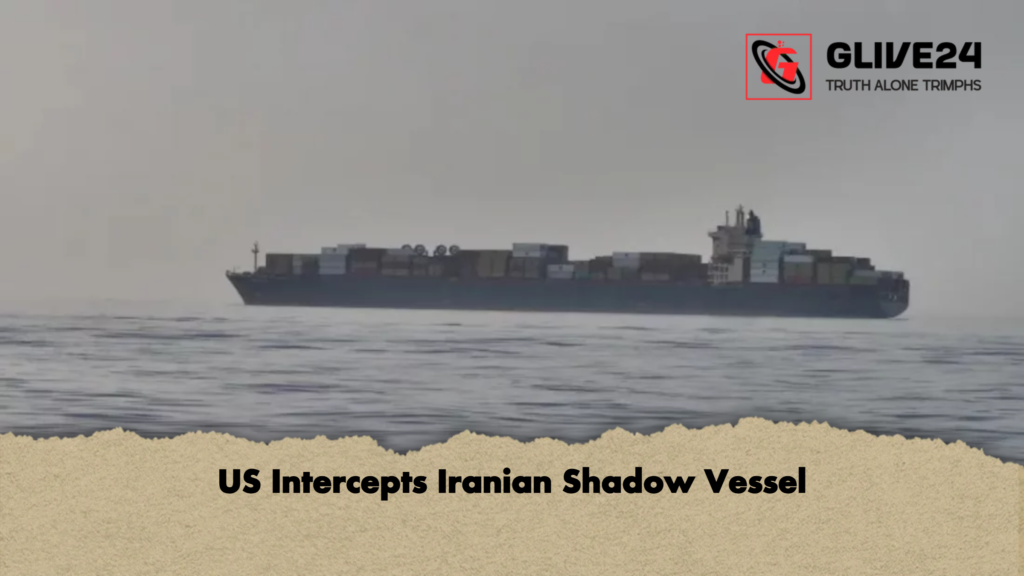
In addition, Tehran has continued to rely on strategic export mechanisms to sustain its oil trade. These include leveraging its geographical position around the Strait of Hormuz and utilising alternative maritime logistics networks, often described as a “shadow fleet”, to facilitate discreet shipments. East Asian markets, particularly refineries in China, remain among the most important buyers of Iranian crude, underpinning demand stability.
Comparative Oil Revenue Data
| Period | Average Daily Revenue (USD) | Change |
|---|---|---|
| February 2026 | 115 million | — |
| March 2026 | 139 million | +21% |
Despite ongoing sanctions and logistical constraints in maritime trade, Iran has maintained consistent export flows through adaptive strategies. Observers note that the sustained improvement in oil revenues is playing an increasingly important role in supporting the country’s energy sector and contributing positively to its overall economic performance.