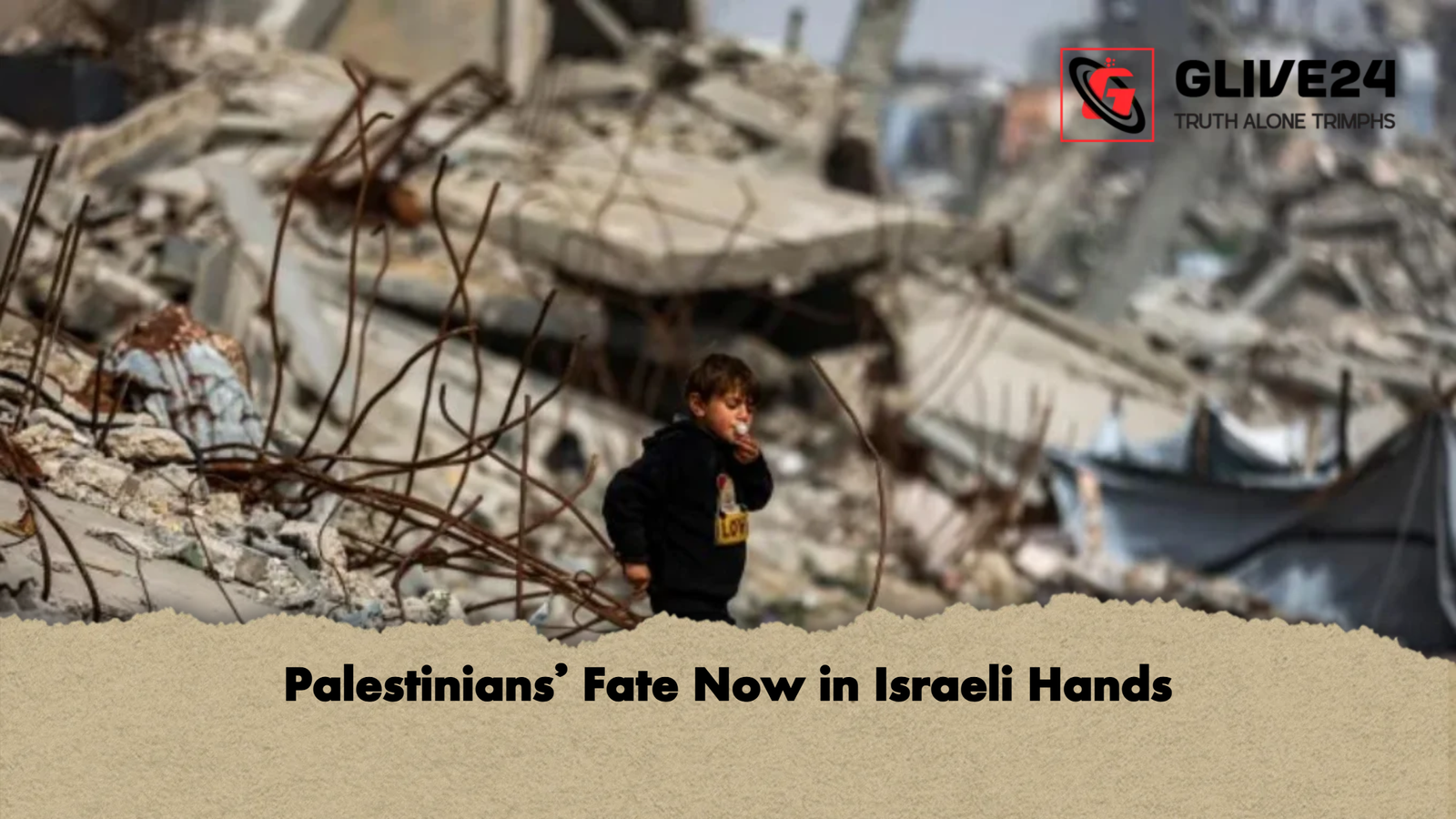
The Gaza Strip, long a focal point of conflict and humanitarian concern, is now under near-total Israeli control, with border closures and severe movement restrictions no longer serving merely as temporary “security measures.” Instead, these measures have become a permanent instrument of collective punishment, placing the lives of Palestinians in an unprecedented state of dependency.
Since the outbreak of war in October 2023, Israel has assumed full control over Gaza’s border crossings, effectively determining who may enter or leave the territory. This situation has left ordinary Gazans reliant on Israeli approval for essential aspects of life, including food supply, healthcare access, and basic mobility.
The crisis deepened in May 2024, when Israel took control of the Palestinian-administered section of the Rafah crossing—the sole gateway between Gaza and the outside world. Its closure has caused humanitarian aid convoys to become stranded, with tons of food and medical supplies left to spoil, exacerbating an already critical situation.
Today, the process of leaving Gaza for urgent reasons—such as medical emergencies, education, or treatment for war-related injuries—has become extraordinarily slow and complex. According to the World Health Organization, more than 18,500 patients in Gaza are currently awaiting urgent medical care abroad, yet only a small fraction are granted permission to cross the border.
Human rights organisations warn that these restrictions are effectively maintaining Gaza under a permanent blockade. Over the past year alone, at least 1,600 Palestinians awaiting advanced medical care abroad have died within Gaza. Even when the border is opened temporarily, residents face multiple layers of security checks and interrogations by Israeli forces. Experts argue that this policy not only curtails freedom of movement but also devastates Gaza’s education, economy, and family cohesion.
Key figures illustrating the humanitarian crisis in Gaza:
| Indicator | Data |
|---|---|
| Patients awaiting urgent medical care abroad | 18,500+ |
| Patients permitted to cross border | Very few |
| Deaths within Gaza awaiting treatment (past year) | 1,600+ |
| Start of blockade | 2007 |
Since 2007, the blockade has intensified to a point where northern Gaza is experiencing famine-like conditions. The United Nations has repeatedly warned that Israeli military roadblocks and restrictions on aid delivery are pushing the population toward extreme food insecurity.
Human rights observers emphasise that by controlling freedom of movement, Israel is forcing Gazans into a prolonged state of uncertainty and deprivation, actions they describe as flagrant violations of international law and potentially constituting war crimes. Without coordinated international intervention, the humanitarian crisis in Gaza is expected to deepen, leaving residents trapped in a cycle of scarcity and oppression.