The observation by Alexander Pope that “to err is human” underscores a central truth: while mistakes are inevitable, their frequency and consequences vary. This distinction helps explain the importance of democratic governance, where major decisions are shaped through deliberation, debate and institutional checks. Such mechanisms are designed to limit the impact of individual misjudgements.
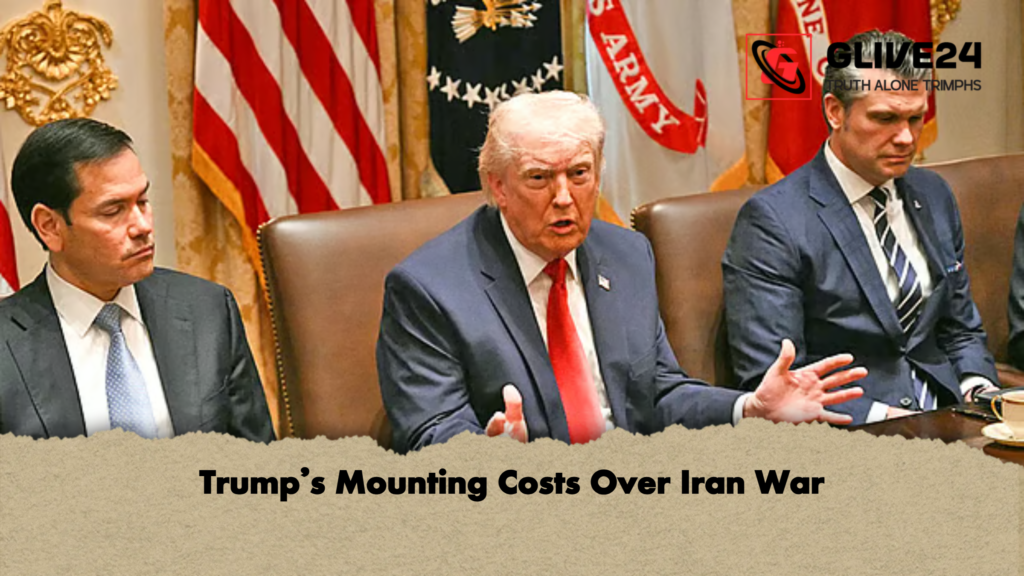
History offers numerous examples of authoritarian leadership in which errors by those in power have produced far-reaching consequences for entire societies. Among the gravest decisions any state can take is the initiation of war. In this case, the United States has undertaken military action against Iran without what critics describe as sufficient engagement with its established democratic processes of consultation and balance. The decision has been attributed to President Donald Trump, whose leadership style is portrayed as centralised, with limited effective political restraint and surrounded by advisers perceived to reinforce his views.
The duration and human cost of the conflict remain uncertain. Nevertheless, there has been no widespread domestic mobilisation in opposition. Observers note a degree of public fatigue, as successive controversies—ranging from alleged human rights concerns to questions about adherence to the rule of law—have accumulated. Even within academic institutions, traditionally spaces for dissent and debate, there are indications of a more cautious environment.
Concerns have also emerged regarding potential repercussions for those who protest. Some fear consequences such as visa revocation, deportation, or legal scrutiny, developments that critics argue resemble practices associated with more restrictive political systems.
From an economic perspective, the implications of the conflict are significant. The longer the war persists, the greater the anticipated damage. However, even a short conflict is expected to leave lasting effects. Global supply chains have already been disrupted, and key oil and gas infrastructure has been damaged, with reconstruction likely to take years. Fertiliser production—closely linked to energy markets—also faces risks, posing challenges for global food systems.
These developments come at a time when the world economy is still contending with the aftereffects of the COVID-19 pandemic, the Russian invasion of Ukraine, and earlier trade tensions associated with tariff policies under Trump. These cumulative shocks have contributed to elevated inflation and increased living costs worldwide. Although inflation had shown signs of easing prior to Trump’s return to power, it remained above the 2 per cent targets set by many central banks. Subsequent tariff measures have interrupted this trend, contributing to renewed upward pressure on prices.
Central banks now face constrained choices: either raise interest rates or slow the pace of reductions. In both scenarios, borrowing costs remain elevated, making housing purchases and debt servicing more difficult. The United States economy is already under strain from volatile trade, immigration and fiscal policies.
Investment in artificial intelligence has provided some support to economic growth, reportedly accounting for a substantial share of recent expansion. Without this contribution, growth figures would likely be weaker. At the same time, tax reductions benefiting high-income individuals and corporations have reduced the government’s fiscal capacity to respond to crises. Looking ahead, risks associated with artificial intelligence—including potential job displacement and sectoral instability—remain a concern.
Claims that the United States could benefit from the conflict due to its status as an oil exporter are contested. While major energy companies may gain, consumers continue to face global market prices for fuel, limiting any direct advantage for the broader population.
Regardless of its duration, the conflict is expected to have enduring consequences. The post-Second World War vision of a stable and interconnected global order has been further strained. Notably, the country that once played a leading role in establishing that system is now seen by some analysts as contributing to its weakening.
Amid rising tensions with China, a fragile global supply system and perceived pressures on democratic institutions within the United States, the outlook remains uncertain. In this context, the scale and consequences of political misjudgements appear increasingly significant.