
Khabor Wala Desk
Published: 2nd March 2026, 6:51 AM
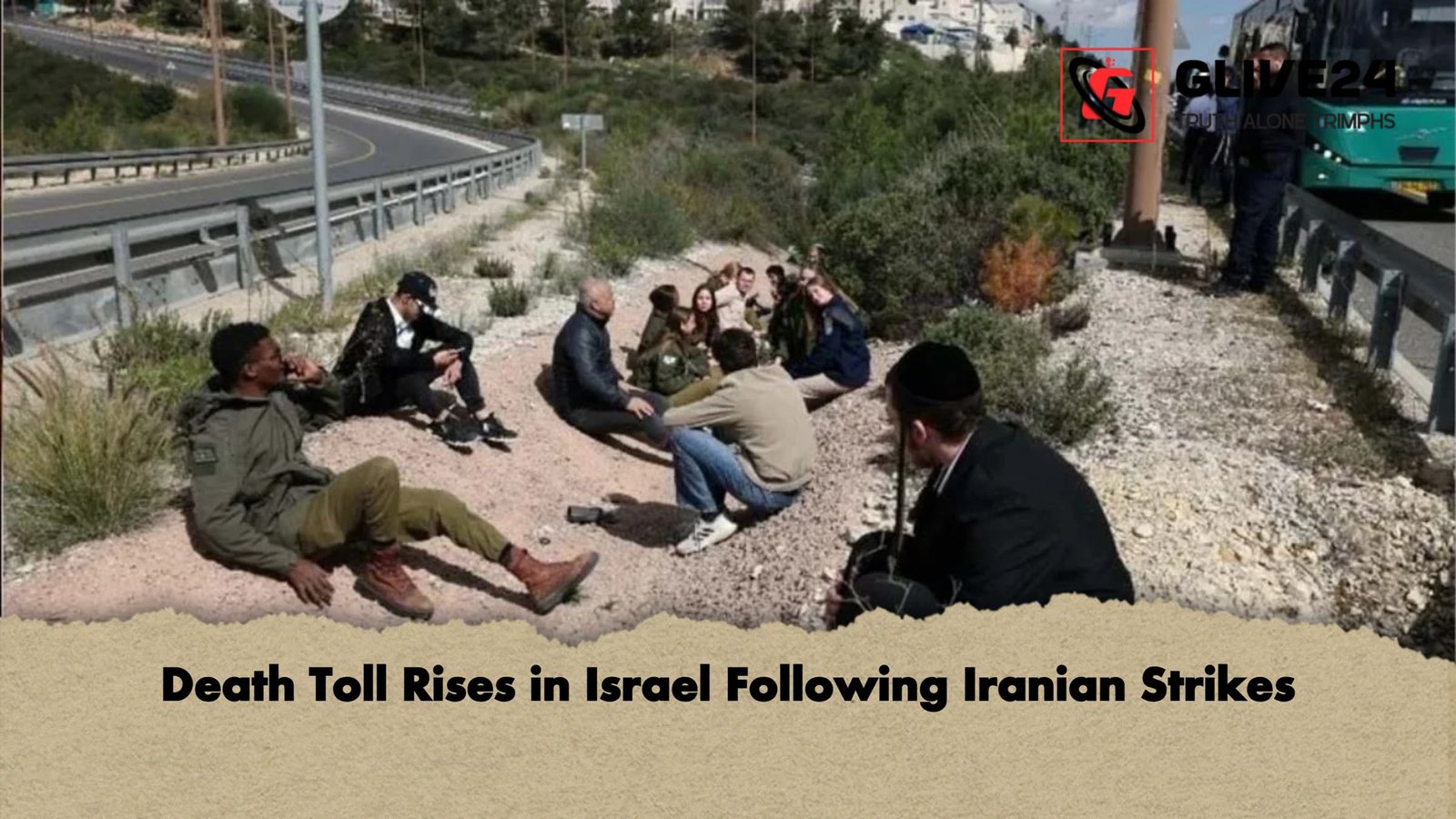
The Middle East has entered a cycle of high-intensity kinetic warfare following the joint US-Israeli strategic offensive against Iran on Saturday, 28 February. While the initial focus was on the damage sustained by Iranian infrastructure, the narrative is now shifting to the mounting casualties within Israel. After a period of initial silence regarding domestic impacts, Israeli authorities have begun to release grim figures detailing the human cost of Tehran’s retaliatory ballistic missile barrage.
On Sunday, 1 March, the Israel Defence Forces (IDF) and national health agencies confirmed that the death toll from the Iranian strikes is rising rapidly. What began as a report of two fatalities has quickly escalated as emergency services reach impacted residential zones.
The most significant strike occurred in the city of Beit Shemesh, located west of Jerusalem. According to the national emergency medical service, an Iranian ballistic missile evaded interception and made a direct hit on a multi-storey residential building. Initial reports from the site confirmed four deaths, including a young girl. However, as search and rescue teams combed through the rubble, the number of confirmed fatalities in that sector alone rose to eight.
The scale of the injury toll has placed an immense strain on Israel’s healthcare system. Beyond the confirmed deaths, medical authorities report that over 450 individuals have been treated for injuries ranging from shrapnel wounds to structural trauma.
Table: Casualties and Medical Status (As of 1 March 2026)
| Category | Count | Status / Location |
| Confirmed Deceased | 10 | Primarily in Beit Shemesh and Central Districts. |
| Critically Injured | 85 | Currently in Intensive Care Units (ICU). |
| Total Injured | 450+ | Across Jerusalem, Tel Aviv, and Central Israel. |
| Primary Target Hit | Residential | High-rise building in Beit Shemesh. |
| Displaced Persons | 1,200+ | Evacuated from damaged residential zones. |
The fact that Iranian missiles managed to strike a population centre like Beit Shemesh suggests that the volume of the “swarm” attack may have momentarily saturated Israel’s multi-tiered air defence network, including the Iron Dome and David’s Sling. Military analysts suggest that the retaliatory strike involved a mix of high-speed ballistic missiles and loitering munitions designed to confuse radar systems.
As the IDF continues to assess the damage, the Israeli cabinet is reportedly meeting to discuss a “third-phase” response. With 85 citizens currently fighting for their lives in ICUs, the political pressure for a further escalation against Tehran is reaching a fever pitch.



Comments