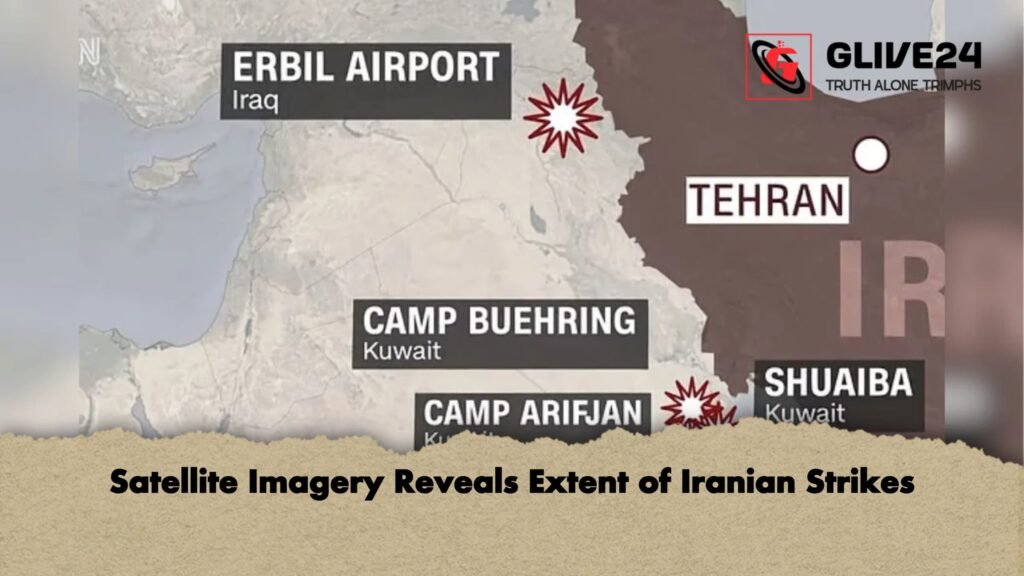
As the aerial campaign spearheaded by the United States and Israel enters its second week, the strategic focus appears to be shifting from the skies to the soil. Faced with a resilient Iranian military apparatus that has not yet buckled under bombardment, Washington is reportedly deploying a sophisticated “proxy gambit.” Highly placed sources indicate that the Central Intelligence Agency (CIA) is actively coordinating with Iranian Kurdish insurgent groups to initiate a coordinated ground incursion into North-Western Iran.
Table of Contents
Arming the Insurgency
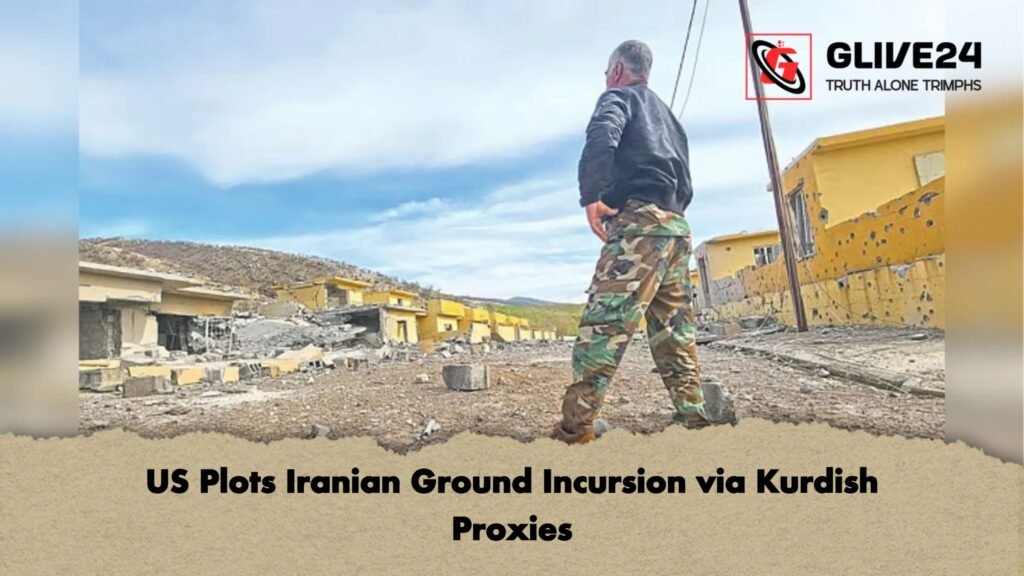
Intelligence reports suggest that the CIA is currently funneling lethal aid and advanced weaponry to Kurdish rebel organisations stationed along the porous Iran-Iraq border. These groups, which have long operated from sanctuaries within the Kurdistan Region of Iraq (KRI), are being repositioned to strike Iranian security forces within the provinces of West Azerbaijan, Kurdistan, and Kermanshah.
The objective is twofold: to destabilise the Iranian military from within and to catalyse a broader domestic uprising. By leveraging the current chaos following the reported deaths of high-ranking Iranian officials, Washington hopes these seasoned fighters will serve as the “vanguard” for a larger regime-change effort.
Strategic Overview: Kurdish Rebel Groups
| Organisation | Primary Base | Estimated Activity | Alignment |
| KDPI (Dem. Party of Iranian Kurdistan) | Erbil / Border regions | High-level political coordination | Pro-US / Trump Administration |
| PAK (Kurdistan Freedom Party) | Kirkuk / Border zones | Active military skirmishes | Heavily armed by Western aid |
| Komalala | Sulaymaniyah outskirts | Guerrilla operations | Ideological opposition to Tehran |
| PJAK | Qandil Mountains | High-altitude insurgent strikes | Affiliated with PKK; complex ties |
Presidential Diplomacy and Ground Manoeuvres
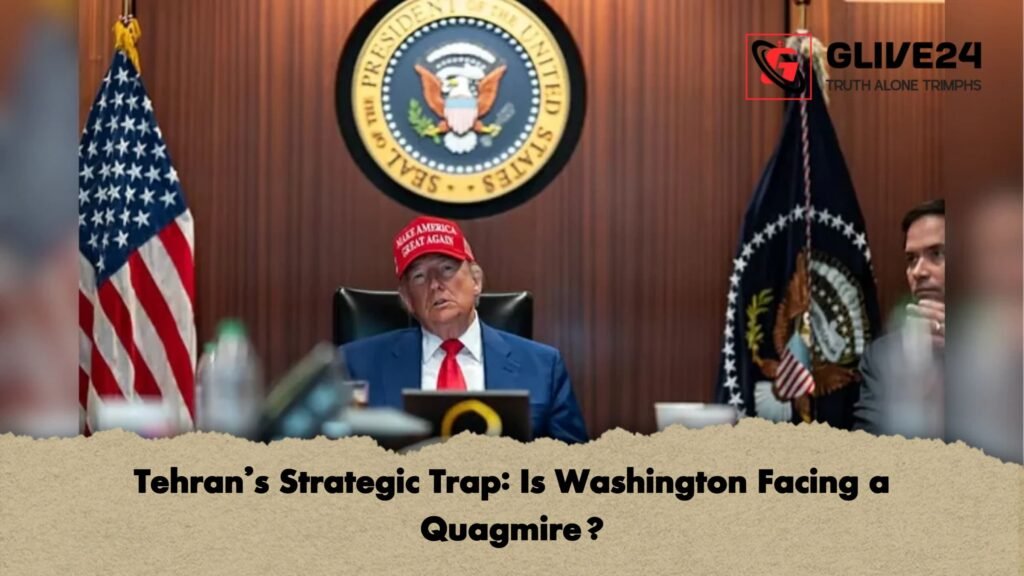
In a significant diplomatic escalation, President Donald Trump has reportedly held direct discussions with Mustafa Hijri, the leader of the KDPI. Sources suggest these talks, alongside consultations with Iraqi Kurdish leadership in Erbil, focused on the logistical requirements for a joint ground offensive.
While the US and Israel have refrained from deploying their own conventional infantry, the “Kurdish option” provides a deniable yet lethal ground component. A senior Kurdish official recently informed CNN that an intensified ground campaign against Iranian government forces is expected “within days.”
The Domino Effect of Destabilisation
The decision to weaponise ethnic minorities carries profound regional risks. Analysts warn that a successful Kurdish uprising in the north-west could ignite a “domino effect” among other restive minorities, specifically the Baloch population in the south-east.
Such a development would likely provoke a severe reaction from Islamabad, as Pakistan views any move toward Baloch independence as an existential threat. Furthermore, Turkey remains a wild card; Ankara is historically hostile to armed Kurdish movements and is unlikely to support the empowerment of militias that could eventually collaborate with the banned PKK.
A Gamble on Insurrection
The overarching goal of “Operation Epic Fury’s” ground phase is to force the Iranian military into a two-front war—defending against external strikes while suppressing internal armed rebellion. By creating “liberated zones” in the mountainous west, the US aims to provide a safe haven for unarmed Iranian dissidents to organise a mass uprising in major urban centres like Tehran and Tabriz. Whether these disparate Kurdish factions can maintain unity under fire, however, remains the pivotal question of this burgeoning conflict.