
Khabor Wala Desk
Published: 10th March 2026, 10:57 AM
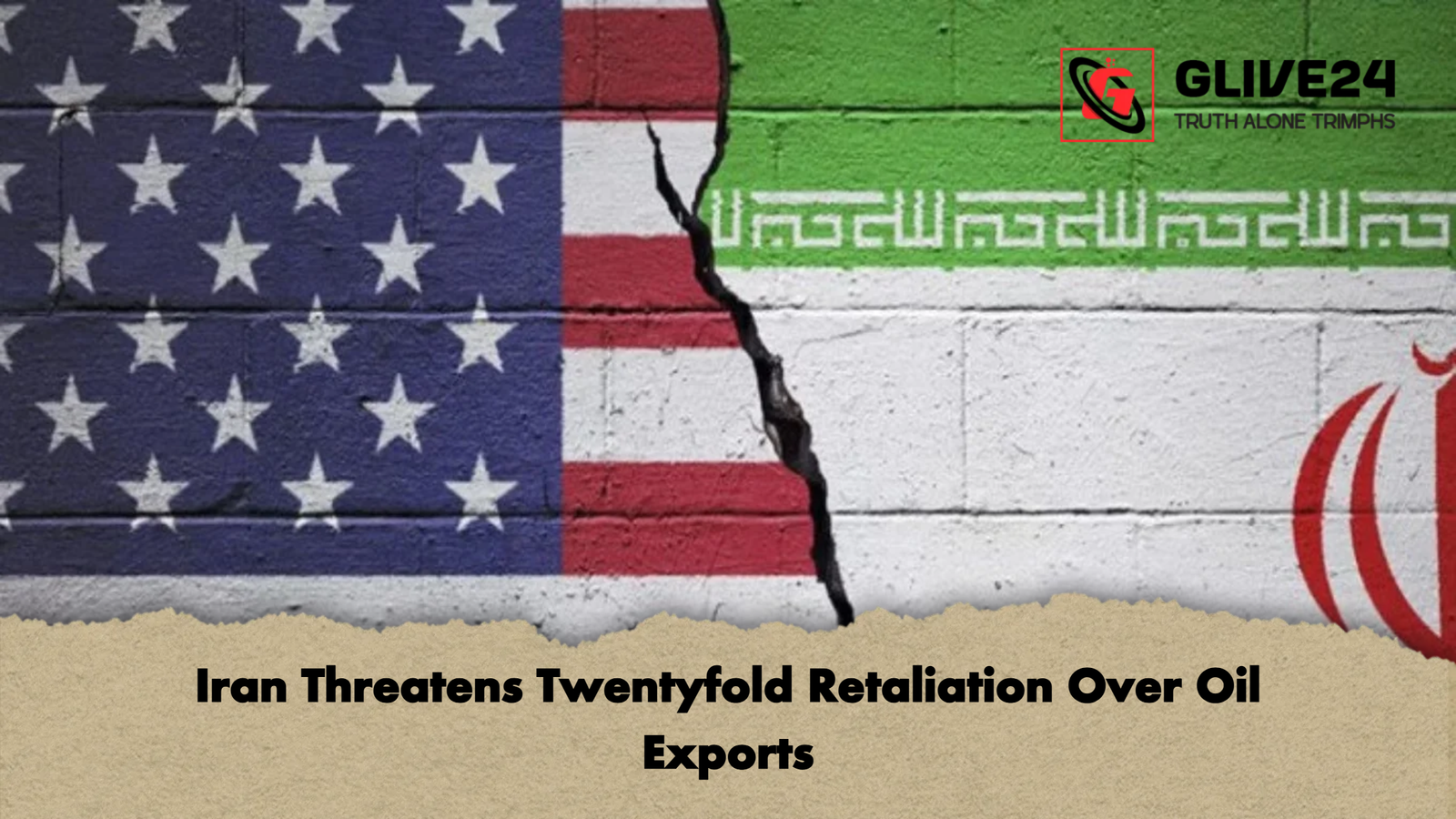
Tensions in the Middle East escalated sharply on Monday as Iran’s Islamic Revolutionary Guard Corps (IRGC) issued a stern warning regarding ongoing hostilities with the United States and Israel. The IRGC declared that if attacks on Iranian interests continue, the country could halt all oil exports from the region, a move that would have immediate and serious implications for global energy markets.
In retaliation, US President Donald Trump delivered a forceful warning to Tehran, indicating that any attempt to block oil shipments through the strategically vital Strait of Hormuz would prompt an unprecedented military response. “If Iran obstructs the flow of oil through Hormuz, they will face a strike twenty times stronger than any previous action,” Trump declared. He added that the attacks would focus on easily destroyed targets, specifically designed to prevent Iran from mounting any effective retaliation while avoiding civilian casualties.
Al Jazeera reports that ongoing tensions between Iran, the United States, and Israel have already significantly disrupted commercial shipping in the region, causing delays and logistical challenges for international trade. Maritime traffic through the Strait of Hormuz, a vital conduit for roughly 20% of the world’s oil, has been particularly affected.
The IRGC, through Iranian state media, countered by asserting that it alone would determine the timing and conclusion of the conflict. “The region’s balance and future rest in the hands of our armed forces,” the statement read. “No external power, including the United States, can dictate the end of this war.”
The Strait of Hormuz remains one of the most strategically important waterways in the world. Approximately one-fifth of global oil exports pass through it daily, making it a potential flashpoint for both economic disruption and military escalation. Any obstruction could trigger a sharp rise in global fuel prices, disrupt international supply chains, and heighten geopolitical instability.
Key Details on Iran-US Tensions
| Aspect | Details |
|---|---|
| Warning Issued By | Islamic Revolutionary Guard Corps (IRGC), Iran |
| Primary Targets | United States and Israel involvement |
| Threat | Potential blockade of oil exports through the Strait of Hormuz |
| US Response | Donald Trump warns of military action 20 times stronger |
| Strategic Importance | Strait of Hormuz – critical global oil transit route |
| Potential Impact | Global energy market disruption, maritime trade interference |
| Official Statements | IRGC: “We determine the war’s conclusion”; Trump: “Target easily destroyed assets” |
Analysts warn that the exchange of threats could mark a dangerous escalation, potentially destabilising the Middle East and severely affecting global energy markets. Any obstruction of oil exports could trigger a spike in crude prices, disrupt international shipping routes, and intensify geopolitical uncertainty.
The rhetoric underscores the precarious balance of power in the region, highlighting both the military and economic stakes. International observers are closely monitoring developments, with concerns that miscalculations or unintended incidents could rapidly escalate the situation into a broader conflict


Comments