
Khabor Wala Desk
Published: 27th June 2026, 6:05 PM
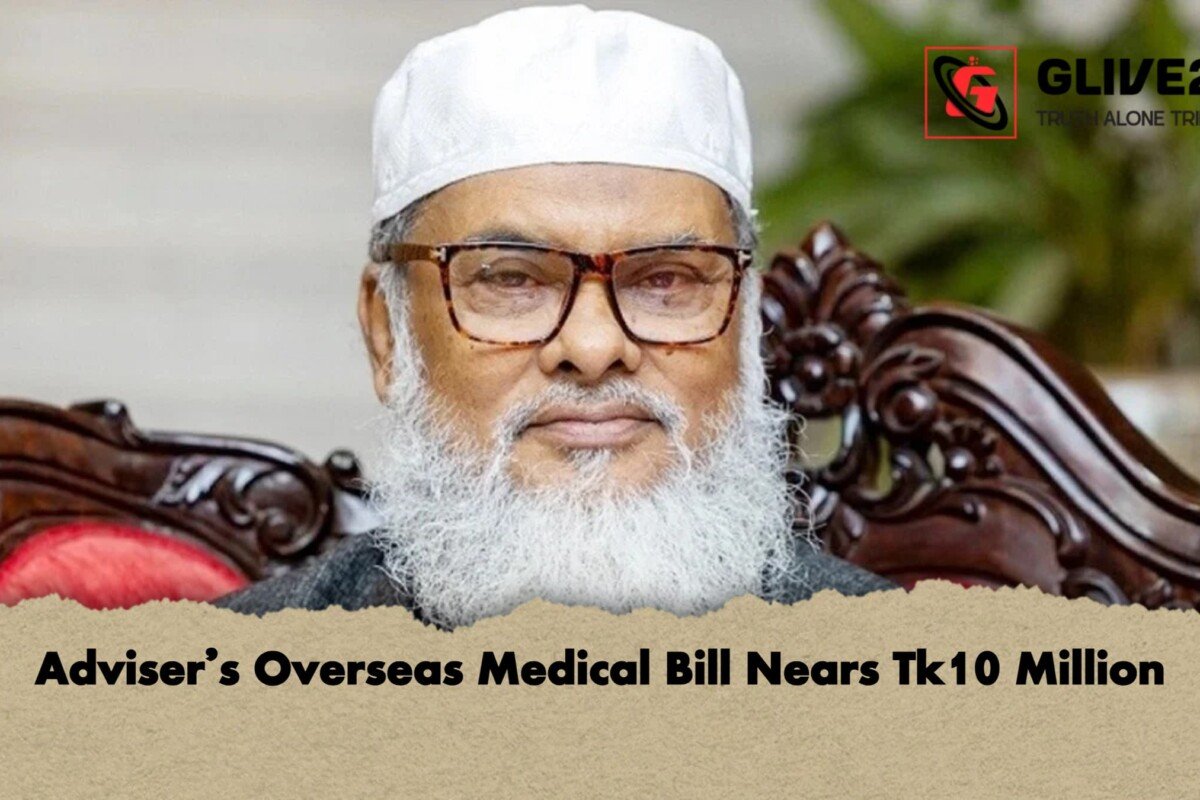
The interim government’s advisers served for only around 18 months, yet the cost of overseas medical treatment for some members of the administration has drawn considerable public attention. While government rules allow ministers and advisers to claim medical expenses, the issue has prompted a broader debate over ethics, public confidence and the state of Bangladesh’s healthcare system.
The discussion centres on whether senior policymakers responsible for shaping and improving the country’s health sector should themselves seek treatment abroad. Although there is no suggestion that such claims are unlawful, critics argue that reliance on foreign healthcare raises uncomfortable questions about the quality and capacity of domestic medical services.
According to information released by the Cabinet Division, Interim Government Religious Affairs Adviser AFM Khalid Hossain received Tk8,191,488 to cover medical treatment overseas, making him the highest recipient of foreign medical treatment expenses among the advisers.
Khalid Hossain, a former Nayeb-e-Ameer of Hefazat-e-Islam Bangladesh, underwent treatment in Thailand for a heart condition. Speaking to Agamir Shomoy, he said doctors at the National Institute of Cardiovascular Diseases advised him that the specific procedure required for his condition was not available in Bangladesh. They also warned that performing the operation domestically would involve significant risks and recommended that he seek treatment in Thailand instead.
He said the treatment was undertaken after receiving formal government approval. His first visit to Thailand took place towards the end of last year, when he underwent surgery. A physician accompanied him during that trip. He later returned to Thailand earlier this year for follow-up treatment, travelling with his daughter and son-in-law.
Despite the operation, Khalid Hossain said he continues to experience health complications. He added that further medical consultations are necessary, but the high cost of treatment has prevented him from travelling abroad again.
Medical expense reimbursement for ministers and senior government officials is permitted under existing regulations, and Khalid Hossain’s treatment was carried out within that legal framework. The disclosure, however, has renewed public discussion over whether policymakers entrusted with improving the country’s healthcare system should depend on foreign hospitals for specialised treatment.
Every year, large numbers of Bangladeshis travel abroad in search of advanced medical care. Before 2024, estimates suggested that between 1.5 million and 1.7 million Bangladeshis travelled to India annually under medical tourism. Although changing regional circumstances have affected travel patterns in recent years, India remains a preferred destination for many patients. Thailand and Singapore also continue to attract significant numbers of Bangladeshis seeking specialised healthcare, reflecting the continuing demand for medical services that many believe are either unavailable or less accessible at home.



Comments