
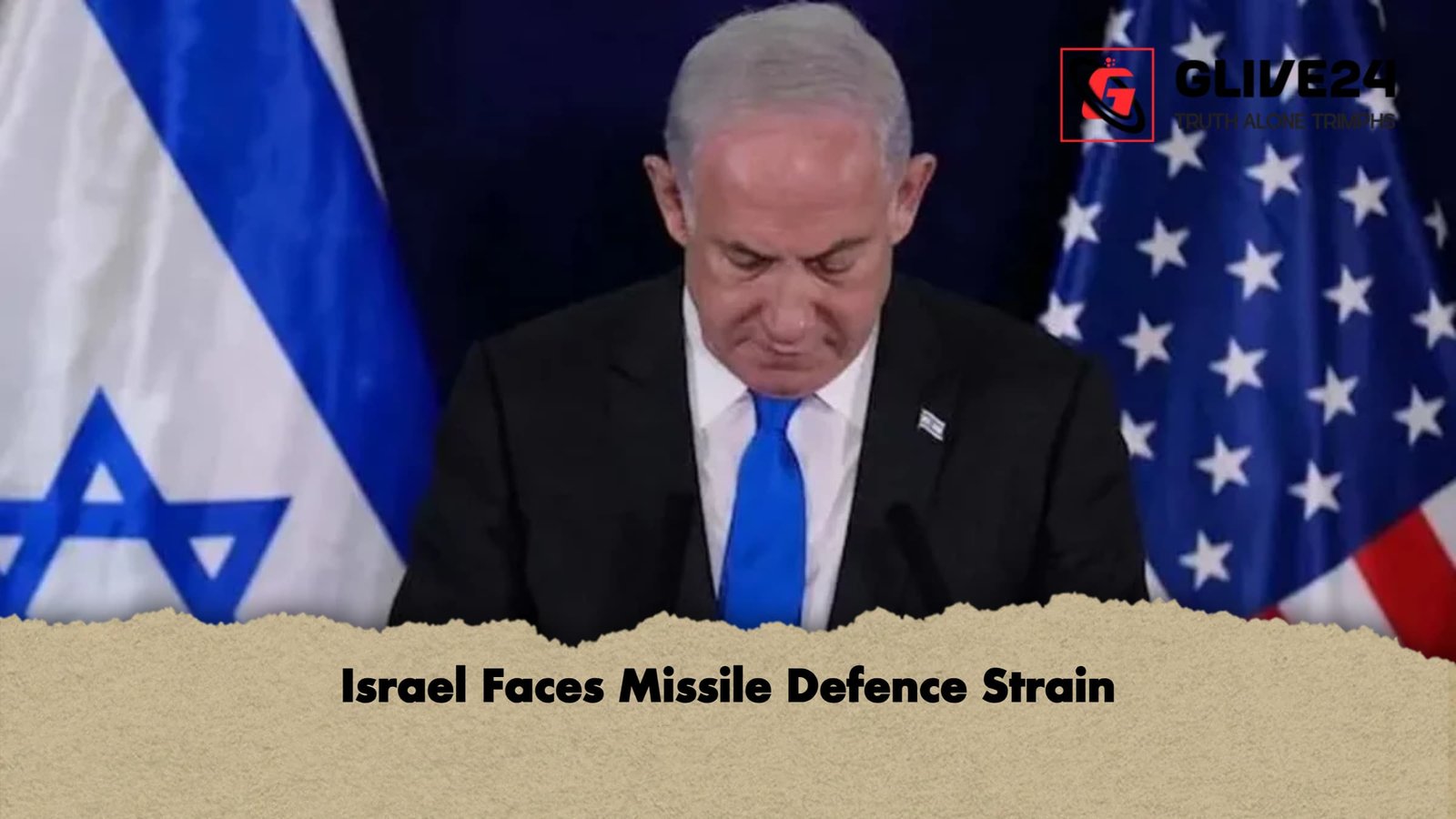
The ongoing military confrontation involving Israel, the United States, and Iran has entered its sixteenth consecutive day as of Sunday, 15 March, intensifying fears of a broader regional conflict in the Middle East. Israeli and American forces have continued coordinated strikes against Iranian military installations and strategic infrastructure, while Iran has responded with retaliatory missile and drone attacks targeting both Israeli territory and United States military facilities across the region.
According to regional and international reports, the conflict has evolved into a sustained exchange of long-range missile strikes, cyber operations, and aerial bombardments. Iran’s retaliatory actions have reportedly included attacks on American bases located in Iraq, Syria, and parts of the Persian Gulf, significantly raising the level of tension across the Middle East.
Israel has maintained a firm position regarding the continuation of the campaign. Israeli officials have declared that military operations inside Iran will persist until the current Iranian government is removed or its military capabilities are substantially weakened. This uncompromising stance has further escalated the conflict and increased concerns among global observers about the possibility of a prolonged war.
However, amid the continuing hostilities, troubling reports have emerged regarding Israel’s defensive capabilities. A report by the Qatar-based broadcaster Al Jazeera indicates that Israel is experiencing growing strain on its missile defence system due to the intensity and frequency of Iranian missile launches.
According to the report, Israeli authorities recently informed Washington that their stockpile of missile defence “interceptors”—specialised missiles designed to destroy incoming ballistic threats—has declined to concerning levels. These interceptors are critical components of Israel’s layered air defence architecture, which is designed to protect the country from rocket, missile, and drone attacks.
The American news outlet Semafor, citing officials familiar with the matter, reported that the issue has been known to the United States for several months. The rapid depletion of interceptor missiles has been attributed to the high operational tempo of Israel’s defence systems during the ongoing confrontation.
Despite Israel’s concerns, the same report noted that the United States currently faces no comparable shortage in its own interceptor missile reserves. American defence officials have indicated that Washington maintains sufficient stockpiles to sustain its defensive commitments while also supporting allied forces if required.
Israel’s air defence system is widely regarded as one of the most sophisticated in the world. It operates through multiple layers designed to intercept threats at different ranges and altitudes.
The key components of Israel’s missile defence network are summarised below:
| Defence System | Primary Role | Interception Range |
|---|---|---|
| Iron Dome | Intercepts short-range rockets and artillery shells | Up to 70 km |
| David’s Sling | Designed to counter medium-range missiles and tactical ballistic threats | Approximately 70–300 km |
| Arrow-2 | Intercepts long-range ballistic missiles in the upper atmosphere | Up to 500 km |
| Arrow-3 | Exo-atmospheric interception of long-range ballistic missiles | Over 2,000 km |
Military analysts note that while these systems have demonstrated high success rates, the cost of each interceptor missile can be extremely high. In some cases, a single interceptor may cost tens of thousands to several million dollars, depending on the system used. Sustained conflict therefore places both financial and logistical pressure on Israel’s defensive infrastructure.
The growing strain on Israel’s missile defence capability may also explain Washington’s recent decision to increase the deployment of American troops and naval assets in the Middle East. Analysts believe that additional U.S. warships and missile defence systems are intended to strengthen regional deterrence and provide supplementary protection for allied forces and installations.
As the conflict continues with no immediate diplomatic breakthrough in sight, the situation remains volatile. The coming weeks may prove decisive in determining whether the confrontation remains limited or evolves into a wider regional war involving multiple state and non-state actors.



Comments