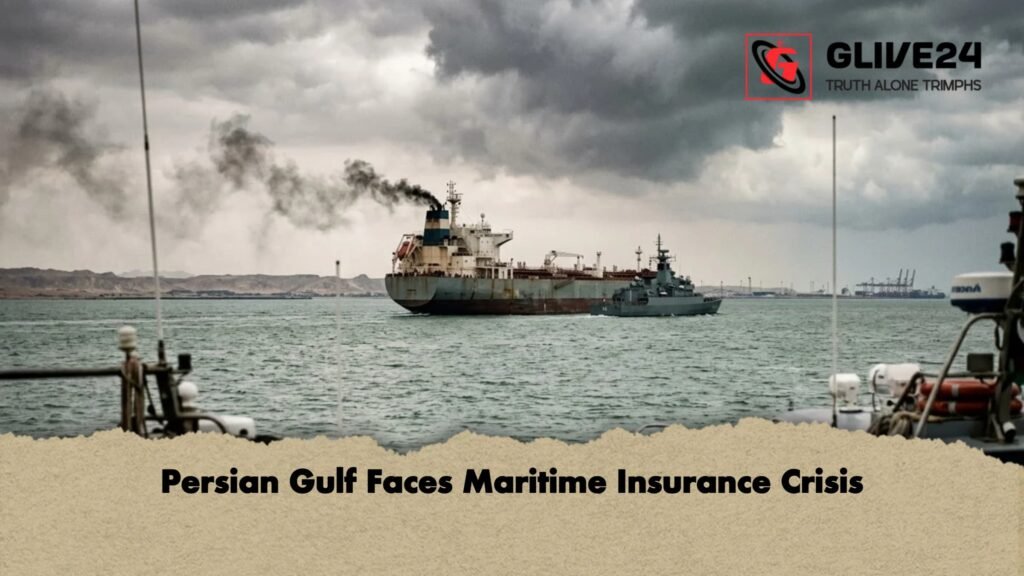
Heightened geopolitical tensions in the Middle East have triggered a growing crisis in the maritime insurance sector, as several insurers withdraw or limit war-risk coverage for vessels operating in the Persian Gulf. The move has sparked fresh concerns among global underwriters, with Fitch Ratings warning that U.S.-based marine insurers could face elevated credit and financial risks amid the disruption.
According to Fitch, American property and casualty insurers heavily reliant on premiums from vessels transiting the Gulf region are the most exposed to financial pressure. Conversely, international reinsurance firms with diversified operations, for whom marine war-risk represents only a minor share of total income, are likely to feel the impact less acutely.
The situation is driven by rising military tensions in the Middle East, which have escalated security risks along strategic maritime corridors, notably the Strait of Hormuz and the wider Persian Gulf. Approximately 20 per cent of global oil supply and significant volumes of liquefied natural gas transit these waters, while nearly 30 per cent of the world’s nitrogen fertiliser trade also relies on this route. Any disruption here could send shockwaves through not only the insurance sector but also the global energy and commodity markets.
Insurance analysts estimate that vessels worth roughly $22.5 billion are currently exposed to risk in the Persian Gulf. In the event of multiple large oil tankers or cruise ships being lost or severely damaged, total potential losses to the global insurance industry could exceed $5 billion.
In response, many insurers have either withdrawn or curtailed war-risk coverage for the region. Shipowners are now required to secure new insurance, often at premiums several times higher than before. In some cases, additional premiums reach up to one per cent of a vessel’s value, translating into hundreds of thousands of dollars in extra cost per voyage.
To mitigate the crisis, the U.S. government has introduced a special reinsurance programme designed to provide up to $20 billion in financial protection. The initiative aims to maintain commercial shipping flows while limiting potential losses for insurers.
The table below summarises key financial and trade indicators related to the Persian Gulf insurance situation:
| Indicator | Approximate Value |
|---|---|
| Value of vessels at risk in the Persian Gulf | $22.5 billion |
| Potential global insurance losses | Over $5 billion |
| Share of global oil supply via Strait of Hormuz | 20 % |
| Share of global nitrogen fertiliser trade | 30 % |
| Proposed U.S. reinsurance support | $20 billion |
Experts caution that the full impact over the next 12 months will depend on the duration of the regional conflict and the length of any shipping disruptions. Prolonged tensions could heighten the risk of vessel detention, damage, or seizure, placing further strain on insurer earnings and capital management.
However, analysts note that well-capitalised and diversified international reinsurers are comparatively better equipped to navigate the crisis. If stability returns in the long term, the insurance market could regain equilibrium. For now, the war-risk insurance gap in the Persian Gulf remains a significant uncertainty for global maritime trade.