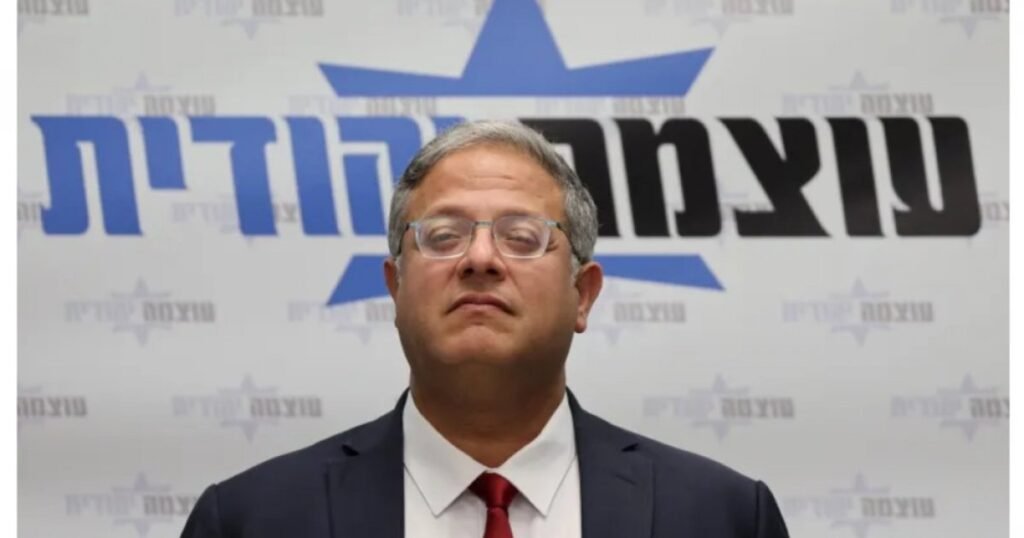
In a sharp escalation of rhetoric, Israel’s National Security Minister, Itamar Ben-Gvir, has threatened the lives of Palestinian Authority (PA) officials if the United Nations grants Palestine state recognition. Speaking at a party meeting on Monday, Ben-Gvir described PA leaders as “terrorists” and suggested that targeted killings could be justified should the UN endorse Palestinian statehood.
The comments drew immediate condemnation from Palestinian authorities. The PA Foreign Ministry denounced the statements as “deliberate incitement” and called on the international community to ensure accountability. President Mahmoud Abbas’ office echoed the criticism, insisting that Israel bears responsibility for the minister’s provocative remarks.
This announcement comes ahead of a UN Security Council vote on a Gaza ceasefire proposal and a US plan to deploy an international stability force. Both initiatives aim to bolster Palestinian self-governance and provide a framework for potential statehood.
Ben-Gvir further suggested that President Abbas should be arrested if state recognition proceeds, claiming that a solitary confinement cell has already been prepared in Israel’s Ketziot prison. His statements reinforce Israel’s longstanding opposition to a PA-led Palestinian state, despite existing cooperation on security matters in the West Bank.
Expanding on his position, Ben-Gvir asserted that Palestinians are primarily descendants of Arab immigrants from surrounding countries, accusing them of widespread violence and terrorism. He reiterated support for controversial immigration policies, which critics argue amount to a strategy of ethnic elimination.
The US-backed plan for Gaza envisions an international oversight board with a technology-enabled Palestinian administration and a stability force on the ground. Resistance groups such as Hamas have criticised the plan, claiming it allows foreign interference in Palestinian governance, restricts the right to resist, and risks undermining the distribution of humanitarian aid.