
Khabor Wala Desk
Published: 3rd February 2026, 3:30 PM
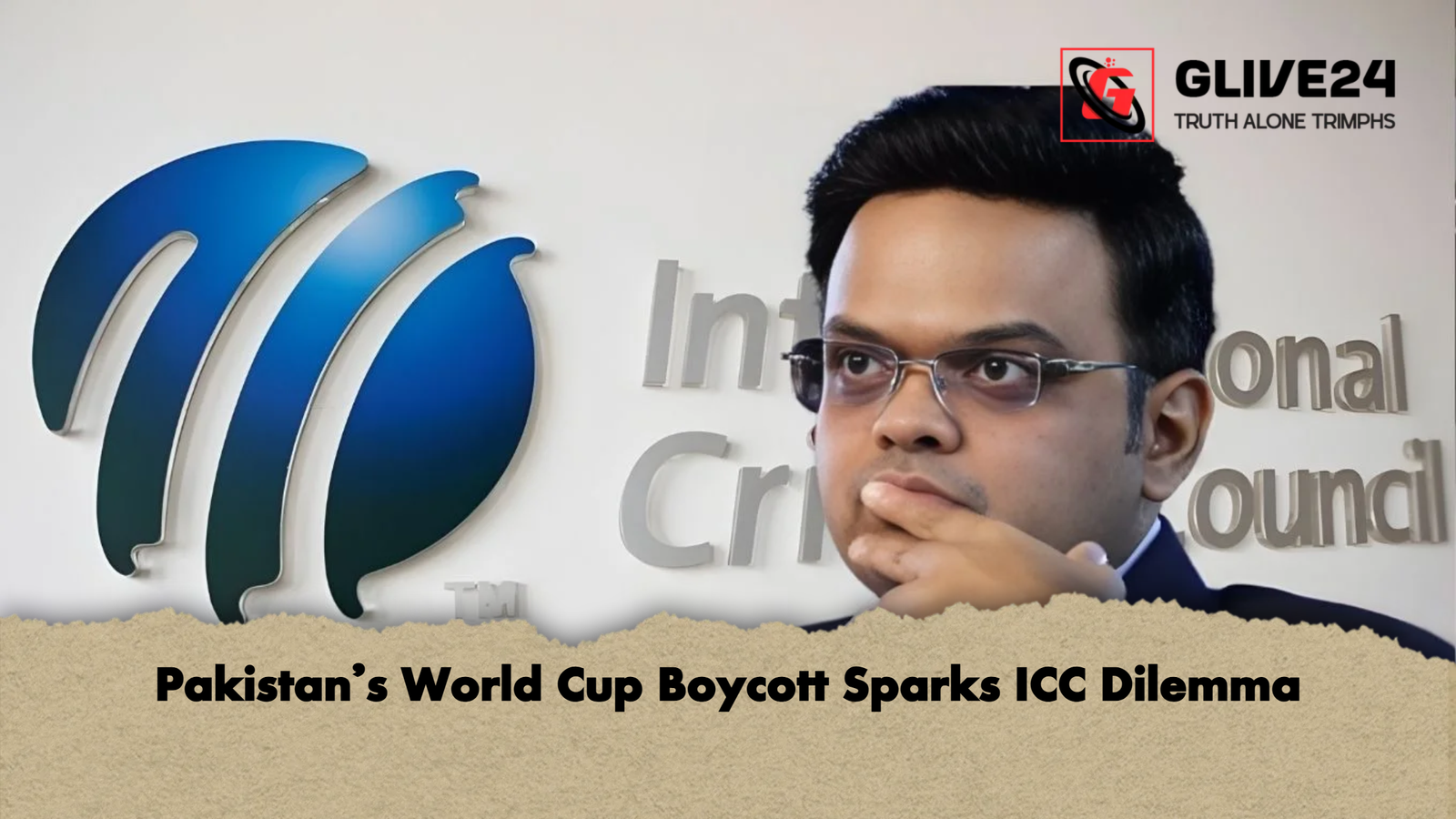
Since Pakistan announced its boycott of the high-profile T20 World Cup group-stage match against India, the decision has dominated discussions across the international cricket community. Questions are now swirling over whether the International Cricket Council (ICC) can impose sanctions on Pakistan. Speculation ranges from financial penalties and point deductions to potential restrictions on future tournaments. Yet, experts caution that the reality is far more complex than it appears.
According to the official schedule, the India-Pakistan clash was set to take place on 15 February in Colombo, Sri Lanka. However, on Sunday, the Pakistani government formally declared that the national team would not take the field against India. Following this announcement, the Pakistan Cricket Board (PCB) immediately informed the ICC of the government’s decision. In response, the ICC outlined possible repercussions while simultaneously requesting that Pakistan reconsider its stance.
The India-Pakistan fixture is widely regarded as the most lucrative and commercially significant match in world cricket. Revenues from broadcasting rights, sponsorship, and ticket sales are substantial. Consequently, the cancellation of the match could deal a serious financial blow to the tournament. International media outlets have speculated that Pakistan could face hefty fines or a reduction in ICC revenue shares.
However, these claims have been directly challenged by former PCB and ICC chairman Ehsan Mani. In an interview, Mani emphasised that no cricket board can be penalised for following government directives. He stated, “The PCB has not taken an independent decision here. Adhering to state directives is part of their constitutional obligation.”
Mani also recalled a similar situation during the 2025 Champions Trophy, when the Indian government did not permit its team to travel to Pakistan. On that occasion, the ICC imposed no punitive measures on India. Imposing sanctions on Pakistan now, he argued, would constitute clear double standards.
He further noted, “Regrettably, the ICC often assumes a spectator role in sensitive political situations rather than offering impartial resolutions. In reality, most cricket boards operate under varying degrees of governmental influence. In Pakistan’s case, this is particularly evident since the PCB chairman is a government minister.”
Legal experts concur that the ICC’s constitution lacks explicit provisions to penalise boards acting under government pressure. Holding cricket authorities accountable for politically motivated decisions is thus both legally and ethically fraught.
The table below summarises potential sanctions against Pakistan alongside the practical obstacles they face:
| Potential Sanction | Practical Obstacle |
|---|---|
| Financial fine | Legal complications due to government directive |
| Reduction in revenue share | Previous precedent shows lack of enforcement |
| Point deduction | Risk of undermining tournament integrity |
| Future tournament bans | Could be perceived as double standards |
Given the political sensitivities and historical precedents, imposing penalties on Pakistan appears highly constrained. As a result, diplomatic negotiation and compromise may ultimately represent the most realistic approach for the ICC in resolving this controversy.


Comments