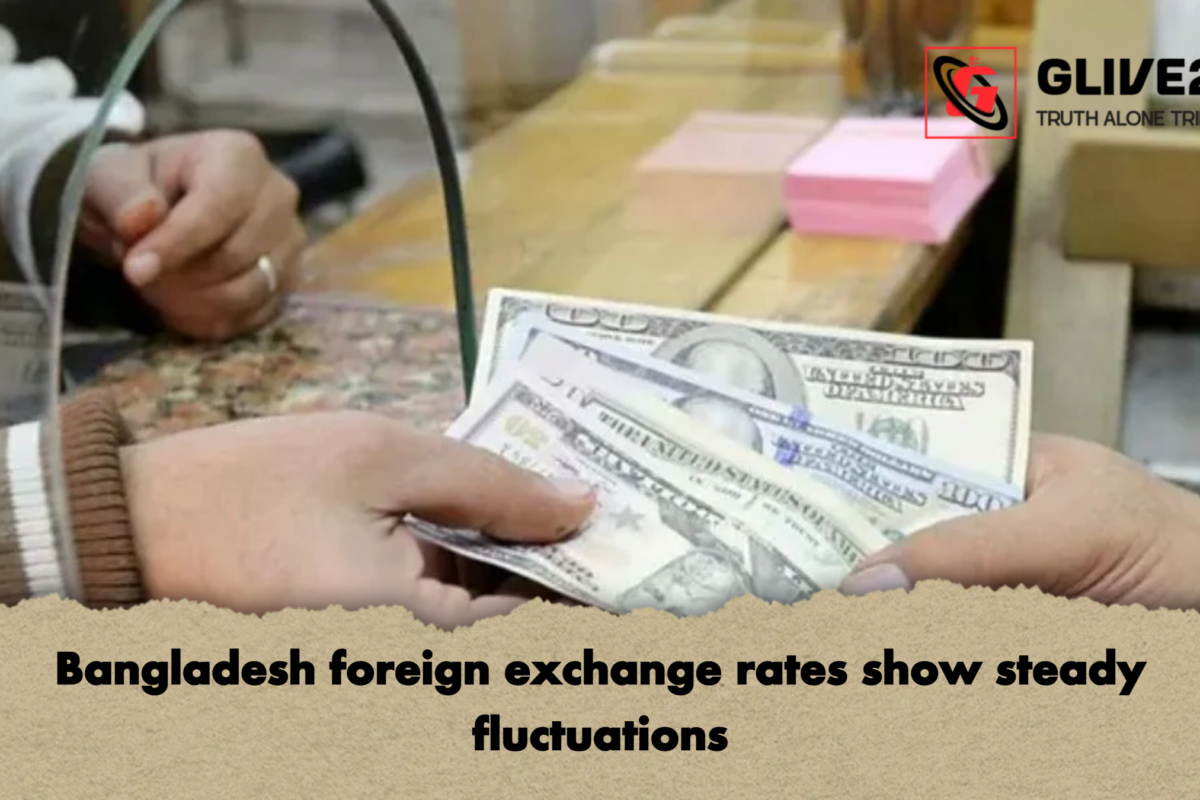
Foreign exchange markets in Bangladesh continue to reflect the shifting dynamics of the global economy, with daily movements in currency values shaped by trade flows, remittance inflows, and international payment obligations. Import demand, export earnings, and overseas worker remittances all play a defining role in determining the pressure on the local currency.
According to the latest updated figures from commercial banks and the Bangladesh Bank, the exchange rates for major foreign currencies against the Bangladeshi Taka were recorded on 23 June 2026. Market observers note that while fluctuations persist, overall conditions remain relatively contained, supported by regulatory oversight and a steady inflow of foreign currency earnings.
| Currency | Bangladeshi Taka |
|---|---|
| US Dollar | 122.75 |
| Euro | 139.70 |
| British Pound | 162.06 |
| Canadian Dollar | 86.35 |
| Australian Dollar | 84.86 |
| Chinese Yuan | 18.06 |
| Singapore Dollar | 94.64 |
| Indian Rupee | 1.29 |
| Malaysian Ringgit | 29.73 |
| Saudi Riyal | 32.78 |
| Qatari Riyal | 33.70 |
| Kuwaiti Dinar | 398.18 |
| UAE Dirham | 33.52 |
Economists suggest that the relative stability in the US dollar exchange rate over recent periods reflects a balance between demand for import settlements and the supply of foreign currency through remittances and export earnings. The central bank’s monitoring measures have also contributed to preventing sharp volatility in the market, even as global financial conditions remain uncertain.
Despite this stability, import-dependent sectors continue to exert pressure on foreign exchange demand. Energy imports, industrial raw materials, and consumer goods contribute significantly to sustained dollar requirements in the domestic market. This demand, when combined with external economic pressures, keeps certain currencies under upward strain against the Taka.
Remittance inflows from overseas workers remain a crucial stabilising factor. Alongside export receipts, they help maintain liquidity in the foreign exchange market and support overall macroeconomic balance. Analysts indicate that if these inflows continue at a steady pace, and export performance remains consistent, the exchange rate environment may remain broadly stable in the near term.
Currency movements continue to have a direct impact on businesses, importers, and household expenses. As a result, market participants are closely monitoring developments to guide pricing strategies, procurement planning, and financial forecasting in an increasingly interconnected global economy.
> Pabna Businessman Brutally Assaulted Following Refusal to Pay Extortion
> Nasum Ahmed Surges in Updated ICC T20 International Rankings
> Brazil Face Logistical Disruption If They Fail to Win Group
> FIFA Applauds Bangladesh’s Extraordinary Football World Cup Passion
> Jailed Ex-MP Brought by Ambulance to Face Tribunal Over July Uprising
> Dhaka Appoints International Firms to Repatriate Stolen Assets
> Dhaka Proposes Sweeping Cyber Law Revisions to Curb Misinformation
> Outrage In Barisal After Banned Chhatra League Activist Murdered
> BRAC Launches National Recruitment Drive for Regional Sales Managers
> Eric Schmidt’s Relativity Space Beats SpaceX to Mars Contract
> Iran launches new strikes against Kurdish groups in Iraq
> Anupam Roy Live Concert Announced Dhaka
> Sanjoy Joins World Cup Album
> Armed Drug Dealer Apprehended in Banani Police Raid
> Oxford Authorities Contradict Claims by Hasnat, Sadik
> Club Goal Rankings in World Cup History
> Two Arrested With Tapentadol
> Simrin Lubaba Begins New Life After Marriage Shift

সম্পাদক ও প্রকাশক: এ বি এম জাকিরুল হক টিটন
যোগাযোগের ঠিকানাঃ পশ্চিম কাফরুল, বেগম রোকেয়া সরণি, ঢাকা
© Copyright 2026 Khaborwala। All Rights Reserved



Comments