
Khabor Wala Desk
Published: 17th February 2026, 3:43 PM
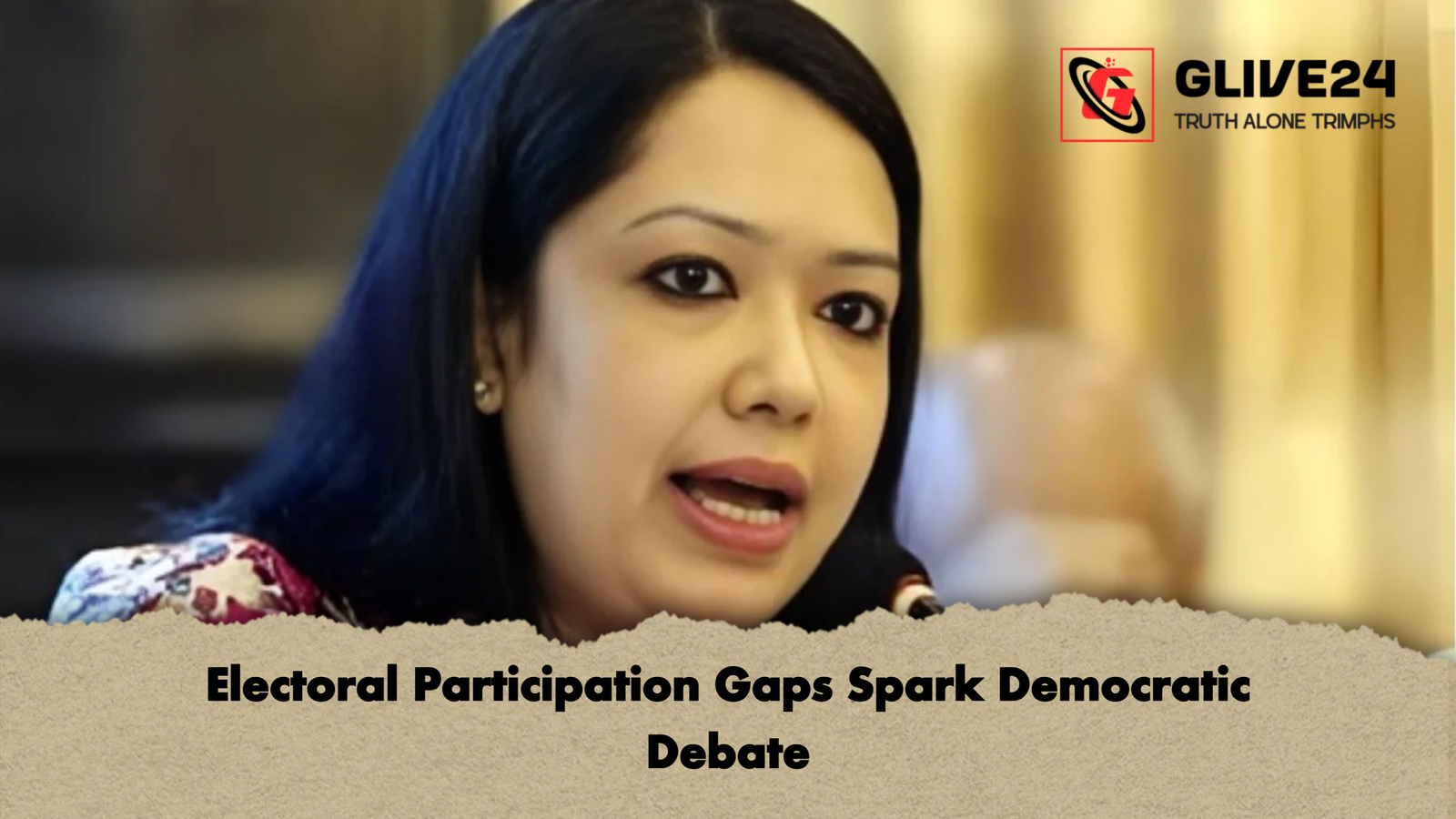
Bangladesh’s political landscape has recently been marked by a contentious debate surrounding electoral participation and representative legitimacy. The latest national election, held without the participation of the ruling Awami League, has prompted questions about the comprehensiveness and fairness of the voting process.
Political analysts point out that the absence of major parties in previous elections has historically shaped the perception of the parliament. In the last three national elections, the Bangladesh Nationalist Party (BNP) chose not to participate, resulting in a legislature widely described as one-sided. This year, the non-participation of the Awami League introduces a new dimension to this ongoing pattern.
One senior politician commented, “In earlier elections, the BNP’s absence meant that one party naturally dominated parliament. This time, with the Awami League not contesting, roughly 30 per cent of the population lacks direct representation. The difference from previous situations is minimal. If citizens had the opportunity to cast their votes, the process would be transparent and genuinely democratic. Yet, why do we trust ballots so little? People always express their preferences responsibly.”
The politician further emphasised that ensuring the opportunity for all citizens to vote is both a fundamental right and a cornerstone of democracy. An inclusive election allows citizens to endorse or reject candidates through ballots, reinforcing accountability and legitimacy.
Political experts have suggested that presenting electoral participation in tabular form could help clarify the impact on legitimacy:
| Participating Party | Participation Status | Impact on Electoral Legitimacy |
|---|---|---|
| BNP | Did not participate | Parliament seen as one-sided |
| Awami League | Did not participate | 30% of citizens unrepresented |
| Other Parties | Participated | Partial representation achieved |
Analysts argue that if major political parties consistently engaged in elections, the electorate’s preferences would be more transparently reflected. Voters could then clearly express support or dissatisfaction with elected representatives through the ballot.
Meanwhile, ordinary citizens have voiced concern over the diminished value of their votes when significant parties abstain. Ensuring the presence of all major parties in future elections is seen as essential to uphold transparency, trust, and credibility in the democratic process.
In this context, it becomes evident that full electoral participation and the guarantee of free voting are the fundamental pillars of democracy. Providing citizens with this opportunity ensures their voices are accurately represented and respected.


Comments