
Khabor Wala Desk
Published: 28th June 2026, 11:10 PM
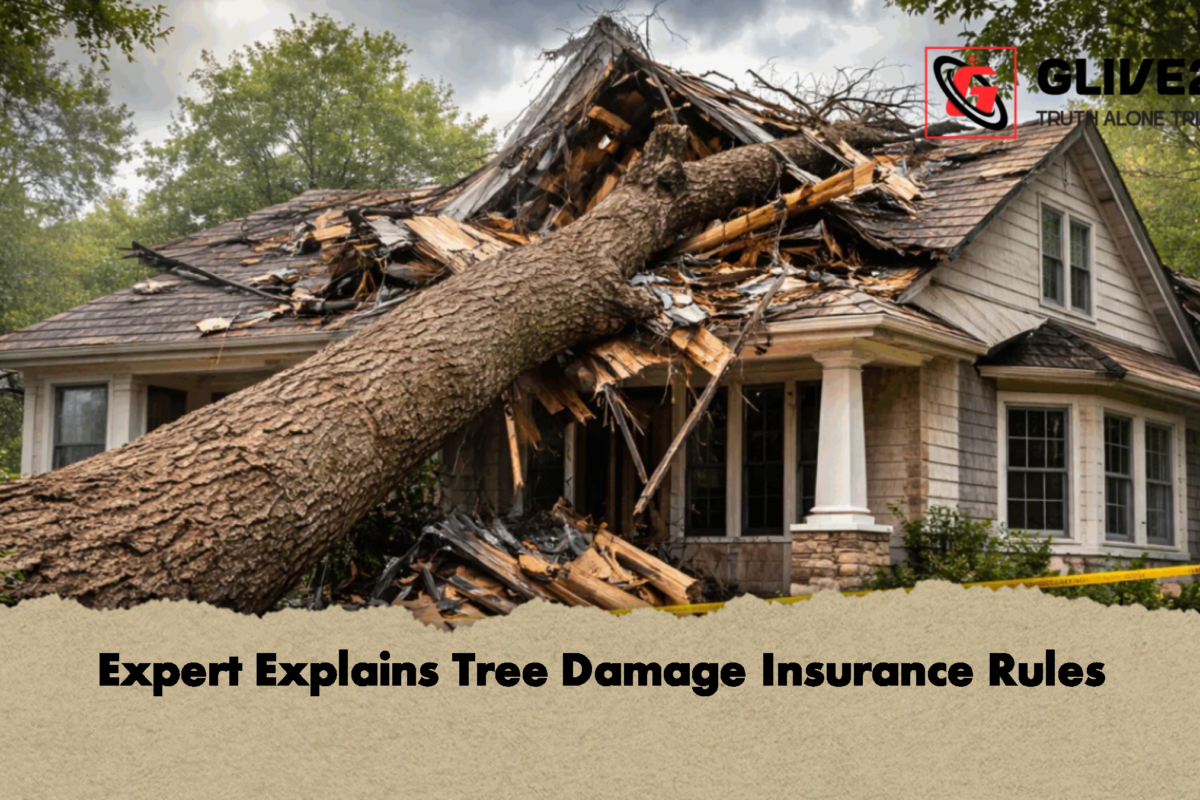
Homeowners dealing with overhanging branches from a neighbour’s tree are being advised to understand both their legal rights and their insurance responsibilities, as failing to act could leave them facing costly repair bills.
Trees that extend beyond property boundaries are a common source of neighbourhood disputes. Overhanging branches can block sunlight, shed leaves and debris, damage fences or roofs, and in severe weather pose a risk to buildings and vehicles. While the law generally gives homeowners the right to cut back branches that encroach onto their property, experts say this right comes with important legal responsibilities.
Ian Wilson, Managing Director and home insurance specialist at Tiger.co.uk, said homeowners are usually entitled to trim branches that cross the boundary into their property, provided the work is carried out only up to the boundary line and does not require access to the neighbouring property without permission.
He stressed that property owners should not ignore overhanging branches if they present a potential risk. Taking reasonable steps to minimise foreseeable damage is considered good practice and may help prevent more serious problems during storms or periods of strong winds.
Perhaps the biggest misconception, according to Wilson, concerns insurance liability. Many homeowners assume that if a neighbour’s tree damages their property, the neighbour’s insurer will automatically cover the cost of repairs. In reality, claims would ordinarily be made through the affected homeowner’s own buildings insurance policy, meaning the policyholder would usually be responsible for paying any applicable excess before the insurer settles the claim.
This reflects the way home insurance policies generally operate, with insurers covering accidental damage to the insured property first before considering whether there is any legal basis to recover costs from another party. Liability may depend on whether negligence can be established, rather than simply on who owns the tree.
Before carrying out any pruning, homeowners are encouraged to familiarise themselves with the relevant legal restrictions. One of the most important considerations is whether the tree is protected by a Tree Preservation Order (TPO). Trees subject to a TPO cannot normally be pruned or felled without permission from the relevant local authority. Unauthorised work on a protected tree can result in significant legal penalties, including fines of up to £20,000.
Wildlife protection laws must also be taken into account. Under the Wildlife and Countryside Act 1981, it is illegal to intentionally disturb or damage active bird nests. As a result, pruning should not be undertaken if birds are nesting in the tree.
Another point that often surprises homeowners concerns the ownership of the cut branches. Although the branches may have extended into a neighbouring garden, any trimmings legally remain the property of the tree owner. After pruning, they should therefore be offered back to the neighbour rather than being disposed of without consent.
Wilson also emphasised the importance of maintaining good communication with neighbours before any work begins.
“It may feel a little tense discussing boundary lines with neighbours, but it’s important to always approach any concerns respectfully to help resolve issues without disputes,” he said.
“If a neighbouring tree is overhanging onto your property, you do have the right to prune it, and it’s often recommended to do so, particularly if there is a risk to your home.
“If damage does occur, you will generally need to claim through your own home insurance policy, meaning you’ll be responsible for paying the excess. Before carrying out any pruning, it’s always courteous to let your neighbours know.
“Any cutting should only be done up to your boundary line, and you must follow standard pruning practices, such as ensuring you’re not disturbing wildlife or damaging protected trees.”
He added that comprehensive home insurance remains an important safeguard against unexpected incidents involving neighbouring trees or plants. Some policies may also include legal expenses cover to help resolve boundary disputes, although such protection is not always included as standard. Homeowners are therefore advised to review their policy documents carefully to understand exactly what is and is not covered before a problem arises.
While overhanging trees can be a source of frustration, experts say most disputes can be avoided through early communication, adherence to legal requirements and adequate insurance cover. Understanding these responsibilities can help homeowners protect both their property and their relationships with neighbours when issues involving boundary trees arise.




Comments