
Khabor Wala Desk
Published: 29th April 2026, 10:41 PM
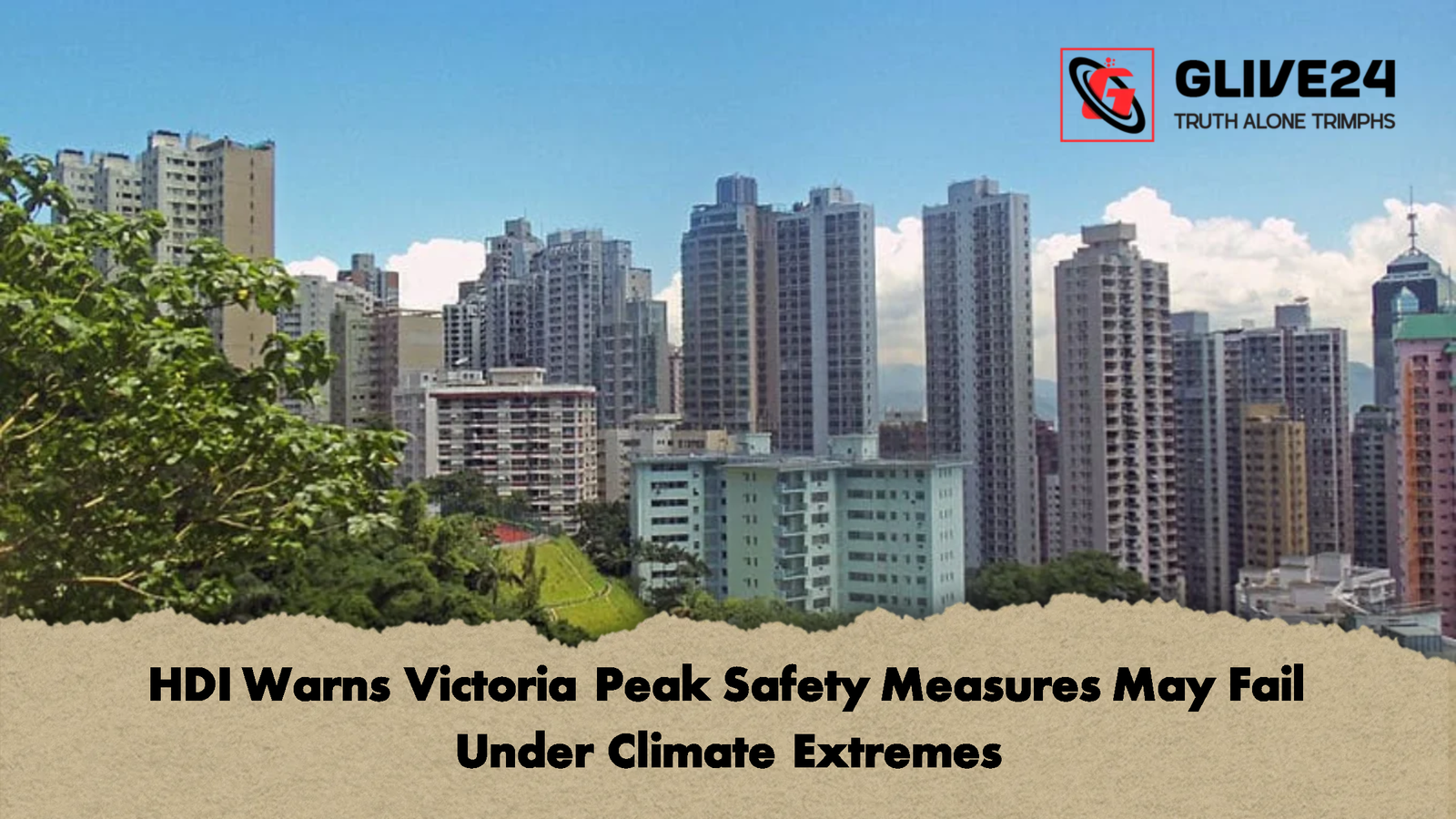
A comprehensive analysis conducted by HDI Risk Consulting has highlighted the growing vulnerability of Hong Kong’s Victoria Peak to the escalating effects of climate change. The report, which forms part of the insurer’s Iconic Landmarks Series, warns that current safety safeguards—though historically successful—are being pushed beyond their intended operational limits by unprecedented weather events. As one of the territory’s most significant landmarks, attracting approximately seven million visitors annually, the Peak represents a critical intersection of public safety and economic resilience.
Table of Contents
The northern slopes of Victoria Peak are primarily composed of weathered granite, a geological formation that is inherently susceptible to instability. The HDI report indicates that when this soil becomes saturated during periods of intense precipitation, the risk of slope failure increases substantially.
Since the late 1970s, the Hong Kong government has implemented rigorous mitigation measures that have successfully reduced the risk of landslides by more than 75%. However, the report argues that the intensification of rainfall patterns threatens to overwhelm these established defences. A primary point of reference in the analysis is the record-breaking rainfall event of September 2023, where precipitation reached 158.1 mm per hour. Such extreme events create hydrostatic pressure that can bypass traditional drainage and retaining structures, potentially leading to catastrophic geological movements.
The study further explores the implications of rising temperatures under a “business as usual” emissions scenario. Data-driven modelling suggests that by the year 2100, maximum temperatures at the Peak could reach a staggering 41.28°C. This projected heat stress carries severe implications for the local ecosystem and public health.
The subtropical vegetation that currently stabilises the Peak’s terrain is expected to suffer from premature leaf loss due to excessive heat. This ecological degradation creates a dual threat:
Wildfire Risk: The accumulation of dry, fallen foliage provides a significant fuel load, increasing the probability and intensity of wildfires during the drier months.
Soil Erosion: The loss of healthy plant cover reduces the natural binding of the soil provided by root systems, further exacerbating landslide risks during subsequent rainy seasons.
Beyond the physical infrastructure and ecology, the HDI analysis anticipates a marked shift in human interaction with the landmark. The increasing frequency of heatwaves is likely to alter visitor patterns, compressing crowds into the cooler morning and evening periods. This concentration of visitors could strain local transport infrastructure, such as the Peak Tram and public bus services, and overwhelm peak-hour capacity.
Furthermore, the report notes that the steep trails characteristic of the Peak will pose heightened health risks, specifically related to heat exhaustion and cardiovascular stress, as ambient temperatures continue to rise. This necessitates a potential re-evaluation of emergency response services and visitor management strategies for the area to ensure the safety of hikers and tourists.
The findings serve as a call for proactive adaptation. Michael Ahn, the Chief Executive Officer of HDI Global Hong Kong, emphasised that the early identification of these specific exposures is essential for the city’s long-term stability. By understanding the limits of current infrastructure, the territory can implement reinforced engineering solutions and enhanced monitoring systems before major disruptions occur.
The report concludes that whilst Hong Kong remains a global leader in landslide prevention, the shift from historical weather norms to a more volatile climate requires a fundamental update to the city’s risk management framework. Strengthening the resilience of Victoria Peak is not only a matter of preserving a cultural icon but also a vital necessity for the safety of the millions who traverse its slopes each year. Preserving the integrity of the Peak’s slopes is essential to maintain Hong Kong’s reputation as a resilient global city.



Comments