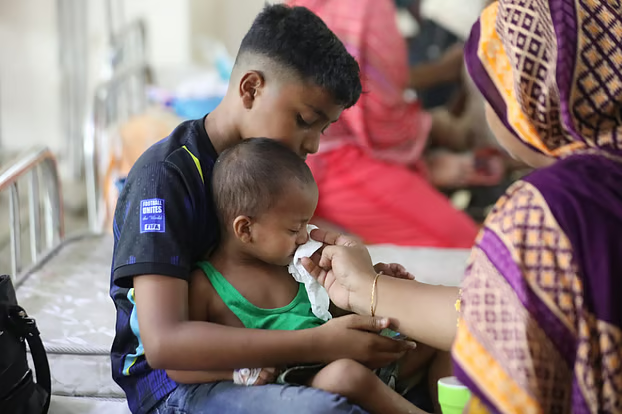
The prevalence of measles infection and related symptoms has once again reached an alarming level across the country, placing significant pressure on the public health system. According to the Directorate General of Health Services, the situation has worsened over the past 24 hours, from Saturday morning to Sunday morning, with further fatalities and a sharp rise in suspected and confirmed cases.
During this period, two more children have died—one in Dhaka division and another in Barishal division—bringing renewed attention to the ongoing outbreak. In the same 24-hour window, 1,377 children were reported to have developed measles symptoms or confirmed infections. Among them, laboratory testing confirmed 53 cases, while 1,324 children were identified with clinical symptoms consistent with measles but have yet to receive laboratory confirmation.
The cumulative impact since 15 March remains severe. Health authorities report that 585 children have died in total due to measles and related complications. Of these, 90 deaths were confirmed cases following laboratory diagnosis, while 495 were attributed to complications arising from suspected measles infections.
The spread of the disease has been extensive over the same period. A total of 70,936 children have exhibited symptoms consistent with measles. Hospital admissions have reached 56,886 cases, indicating the significant burden placed on healthcare facilities. Encouragingly, 52,841 children have recovered following treatment and have been discharged from medical care. Laboratory testing has confirmed 9,049 measles infections among the total reported cases.
National Measles Situation (Since 15 March)
| Indicator | Number of Children |
|---|---|
| Total with measles symptoms | 70,936 |
| Hospital admissions | 56,886 |
| Recovered and discharged | 52,841 |
| Laboratory-confirmed cases | 9,049 |
| Total deaths (measles & complications) | 585 |
| Deaths from complications (suspected cases) | 495 |
| Deaths from confirmed measles | 90 |
Medical professionals have warned that measles spreads rapidly, particularly among children, and can lead to severe complications if not treated promptly. These include pneumonia, severe dehydration, and other life-threatening conditions. The risk is especially high among malnourished children and those who have not received routine immunisation.
Public health experts emphasise that strengthening immunisation coverage remains the most effective preventive measure. They also stress the importance of early detection and immediate medical attention when symptoms such as fever, rash, cough, or eye irritation appear. Delays in seeking treatment significantly increase the likelihood of complications and transmission within communities.
Health authorities continue to closely monitor the situation and have indicated that preventive measures at the local level are being reinforced. Efforts are also being directed towards improving surveillance, expanding treatment capacity, and ensuring timely response in high-risk areas.
As the outbreak persists, officials and healthcare professionals are urging parents and caregivers to remain vigilant and ensure that children receive appropriate care without delay.