Venezuela has been plunged into a deepening humanitarian emergency after two powerful earthquakes struck the country less than a minute apart, raising fears of massive casualties and widespread destruction. Authorities have declared a nationwide state of emergency as rescue teams race against time to reach affected communities and assess the full scale of the disaster.
The first earthquake, measuring 7.2 on the Richter scale, struck near San Felipe in Yaracuy State on Wednesday evening. Just 39 seconds later, a second and even stronger earthquake, with a magnitude of 7.5, hit the region. Seismologists warn that consecutive earthquakes of such strength can dramatically increase structural damage, overwhelm emergency response systems and trigger secondary hazards, including landslides and infrastructure failures.
Preliminary assessments by the United States Geological Survey (USGS) indicate a potentially devastating impact. According to its rapid risk analysis, there is a significant probability that fatalities could exceed 10,000, while projections also suggest a substantial risk that the death toll may surpass 100,000 if the worst-case scenario materialises. Officials have stressed that these figures represent statistical forecasts rather than confirmed casualty numbers, and that a comprehensive assessment will require considerable time.
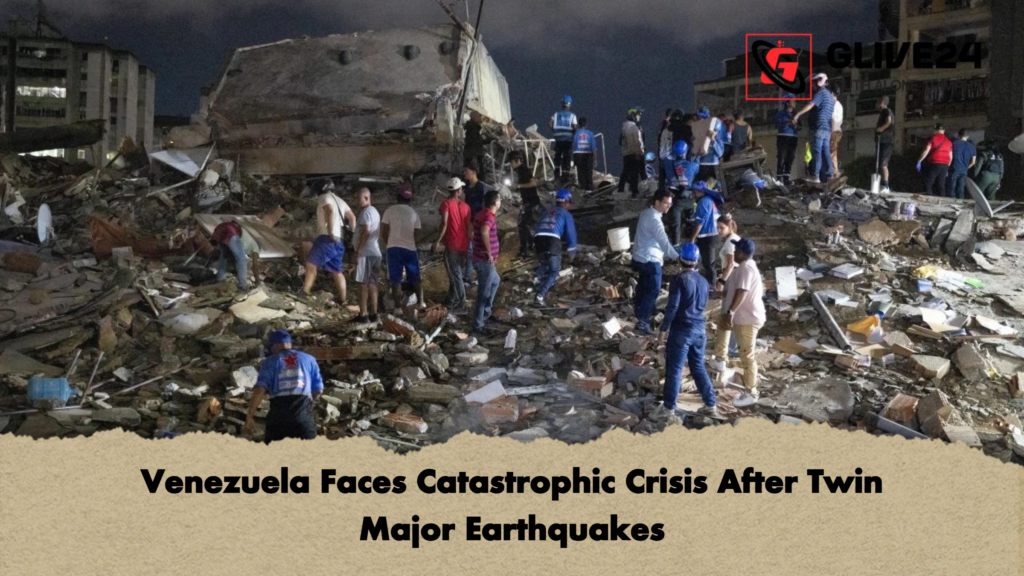
Strong tremors were felt across much of the country, including the capital, Caracas. Early reports from local authorities and emergency responders indicate that numerous buildings have been damaged or collapsed, while disruptions to electricity, fuel supplies and communications have affected several regions. There are also growing concerns that many people remain trapped beneath rubble in the hardest-hit areas.
Rescue operations are underway, but efforts have been complicated by damaged roads, disrupted communication networks and difficulties accessing remote communities. Emergency personnel, military units and civil defence teams have been deployed to assist with search-and-rescue missions, medical treatment and the distribution of emergency supplies.
As conditions deteriorated, the Interior Minister urged residents to remain vigilant, avoid structurally compromised buildings and follow official safety instructions. Emergency agencies have been placed on their highest level of readiness, with hospitals and public services mobilised to respond to the crisis.
In a televised address to the nation, acting President Delcy Rodríguez announced the declaration of a national state of emergency. She confirmed that a senior military general had been appointed to coordinate operations between military and civilian agencies, with the aim of ensuring a unified response to the disaster. Rodríguez also appealed for national solidarity and expressed condolences to families who have lost loved ones or suffered severe losses.
The disaster arrives at a particularly challenging moment for the country. Rodríguez has been leading the government on an interim basis since January, following the detention of former President Nicolás Maduro by United States authorities over allegations related to drug trafficking. The twin earthquakes now represent the most severe humanitarian and administrative challenge her administration has faced.
Authorities say immediate priorities include locating survivors, providing emergency medical care, establishing temporary shelters for displaced residents and restoring critical infrastructure. Engineers and disaster-response specialists are expected to conduct detailed inspections in the coming days to determine the extent of damage to transport networks, public utilities and residential areas.
While the full human and economic cost remains unclear, officials acknowledge that the recovery process is likely to be lengthy and demanding. For now, emergency teams continue their efforts amid uncertainty, as Venezuela confronts one of the most serious natural disasters in its recent history.