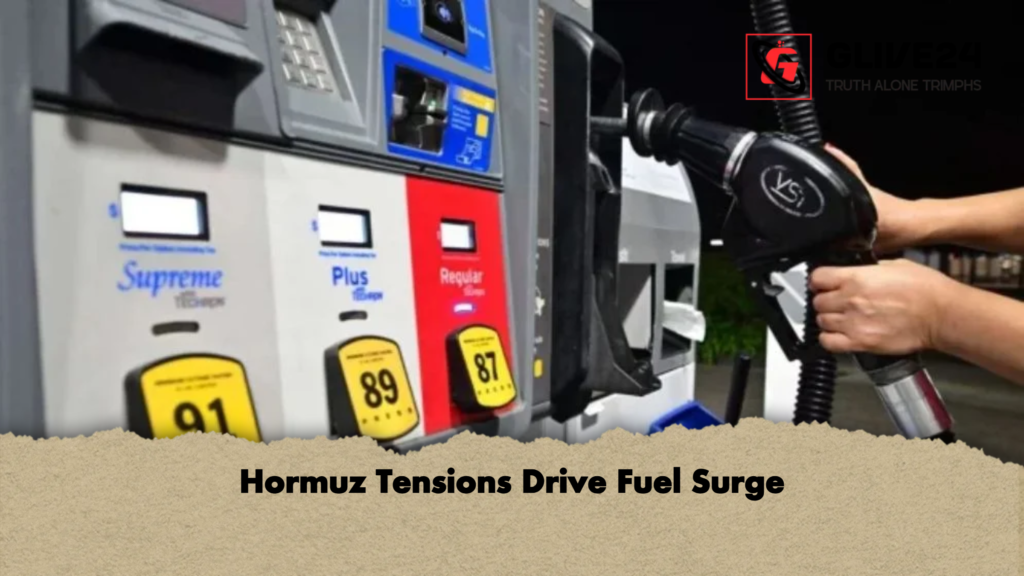
Rising geopolitical tensions involving Iran and a marked decline in shipping traffic through the Strait of Hormuz have placed significant strain on the global energy supply chain, triggering a fresh upward surge in fuel prices in the United States. The disruption has tightened market conditions and added renewed inflationary pressure on American households and businesses already grappling with elevated living costs.
In the US retail market, the average price of petrol has climbed to approximately $4.18 per gallon, reaching its highest level in four years. This brings current prices close to the previous peak recorded in early 2022, when the outbreak of the Russia–Ukraine conflict sent global oil markets into sharp volatility and pushed prices to around $4.15 per gallon at their highest point.
The contrast with last year is stark. At that time, the average price stood at roughly $3.15 per gallon, meaning consumers are now paying over a dollar more per gallon on average compared with twelve months earlier. This increase has significantly raised transport and commuting costs across the country.
Price differences between US states remain pronounced, largely reflecting variations in refining capacity, taxation, logistics, and regional supply constraints.
Fuel prices across selected US states
| Region / State | Average Price per Gallon (USD) |
|---|---|
| Texas | 3.78 |
| California | 5.96 |
| National Avg | 4.18 |
California continues to record some of the highest fuel prices in the country, driven by stricter environmental regulations and higher distribution costs. In contrast, oil-producing or refining-heavy states such as Texas benefit from comparatively lower prices.
Energy analysts attribute the latest price escalation to heightened instability in the Middle East, particularly involving Iran, the United States, and Israel. The Strait of Hormuz—a critical maritime chokepoint for global energy flows—has seen a notable reduction in vessel movement amid escalating security concerns.
This waterway is responsible for transporting nearly one-fifth of the world’s oil trade, making it one of the most strategically important shipping routes globally. Any disruption in this corridor tends to have immediate ripple effects across international markets.
Shipping activity through the Strait of Hormuz
| Period | Daily Commercial Vessels |
|---|---|
| Before tensions | 120–140 ships |
| Current estimate | 8–10 ships |
Shipping activity has therefore declined dramatically, from around 120–140 vessels per day before the escalation to as few as 8–10 vessels currently. This sharp reduction has intensified concerns over supply bottlenecks and has contributed to speculative pressure in global oil trading markets.
Experts warn that if the situation persists or deteriorates further, global energy supply chains could face more severe disruptions. Such conditions would likely translate into further price increases not only for fuel, but also for a wide range of goods dependent on transport and logistics, potentially adding to broader inflationary pressures worldwide.