
Khabor Wala Desk
Published: 2nd June 2026, 2:52 PM
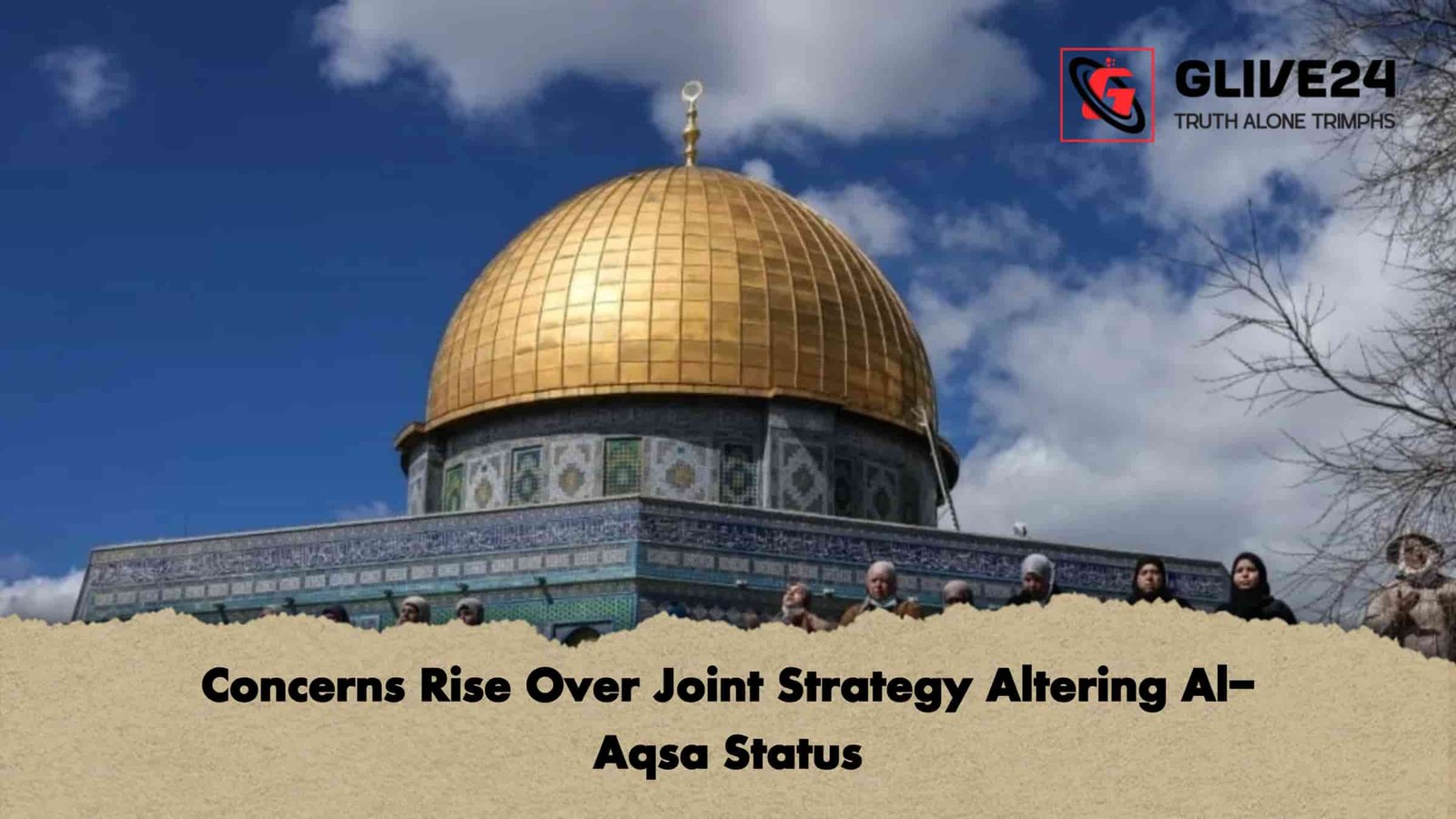
A newly published investigative report has generated profound international concern regarding a coordinated strategy by the United States and Israel to systematically dismantle Jordan’s long-standing custodianship over the Al-Aqsa Mosque compound. According to the document, the proposal aims to completely strip the Jordan-backed Islamic Waqf of its administrative authority over the site.
The proposed framework seeks to replace the current Islamic administrative structure with a newly established body directly controlled by the Israeli government. This entity would formally designate the Al-Aqsa compound as a “multi-religious centre,” effectively granting Jewish worshippers equal access to the sacred site. Under this plan, Israeli authorities would assume control over the appointment of imams and religious officials, whilst also establishing an official mechanism to review and approve Friday sermon content.
Critics and legal experts maintain that these measures extend far beyond standard administrative adjustments, representing a long-term mechanism to weaken Jerusalem’s Islamic identity and gradually rebrand the holy site as a general tourist destination.
Data compiled in a 2025 report by the Israeli non-governmental organisation Ir Amim revealed a substantial increase in the number of Jewish groups entering the compound under the direct protection of the Israeli police forces. Commenting on the findings, researcher Aviv Tatarsky stated:
“Under the guise of religious connection, Israel is gradually taking absolute control of this holy site.”
| Category of Restriction | Current Sanctions / Documented Impact | Objective of Administrative Changes |
| Palestinian Access Bans | Over 600 individual entry bans enforced this year | Restriction of traditional Muslim prayer attendance |
| Islamic Waqf Staff Expulsions | 30 active personnel stripped of entry permits | Replacement of staff with state-controlled officials |
| Sanctions on Religious Clergy | 6 active Imams banned from delivering sermons | Mandatory pre-approval of Friday sermon content |
| Historical Congregation Size | Attendance reduced from hundreds of thousands | Gradual reduction via targeted movement checkpoints |
The ongoing institutional adjustments have triggered strong condemnation from local religious authorities. The senior Imam of Al-Aqsa, Sheikh Ekrima Sabri, described the measures as “unprecedented actions” designed to establish complete Israeli dominance over the complex.
The situation has been further exacerbated by high-profile incursions. Last month, multiple Israeli government ministers and members of parliament entered the compound, sparking widespread controversy. During these visits, an Israeli lawmaker publicly called for the demolition of the Al-Aqsa Mosque to facilitate the construction of a Jewish temple on the site. Concurrently, Israeli authorities accelerated the expropriation of Palestinian-owned properties adjacent to the Chain Gate, a vital entrance leading into the Old City of Jerusalem.
International analysts warn that any attempt to alter the historic, legal, and religious status quo of the Al-Aqsa Mosque—which remains a core symbol of Islamic identity globally—will inevitably trigger severe geopolitical instability across the Middle East and the wider international community. Human rights organisations have issued urgent appeals, stating that the situation demands immediate, decisive intervention from the international community to prevent a total collapse of security frameworks.



Comments