
Khabor Wala Desk
Published: 28th June 2026, 4:34 PM
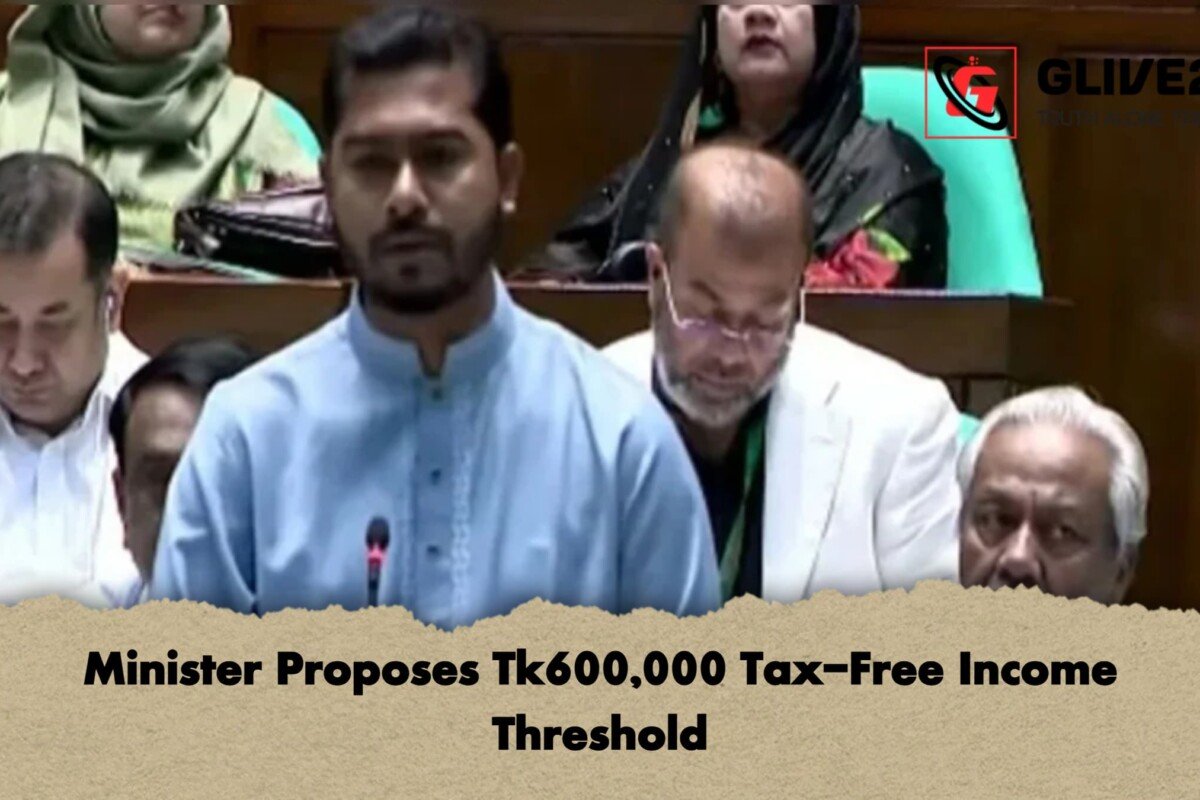
State Minister for Expatriates’ Welfare and Overseas Employment Nurul Haque has proposed raising Bangladesh’s annual tax-free income threshold to Tk600,000, arguing that the country’s rising cost of living has made the current limit increasingly inadequate. He also described the proposed national budget for the 2026-27 fiscal year as a practical reflection of Prime Minister Tarique Rahman’s “I Have a Plan” vision.
Speaking during the general discussion on the proposed budget in the Jatiya Sangsad on Sunday, the minister said the government’s spending priorities demonstrate a long-term development strategy centred on improving healthcare, education, employment opportunities and energy security. The parliamentary session was chaired by Speaker Hafiz Uddin Ahmed Bir Bikram.
Referring to the Prime Minister’s public pledge after returning to Bangladesh following a prolonged period in exile, Nurul Haque said the proposed budget reflects the vision outlined in the “I Have a Plan” declaration. He particularly welcomed the emphasis placed on strengthening the health and education sectors, saying increased investment in these areas would contribute to the country’s long-term social and economic development.
The minister also praised the government’s initiative to upgrade upazila-level hospitals to 100-bed facilities. He stressed, however, that infrastructure expansion alone would not be sufficient. The authorities, he said, must ensure the timely recruitment of doctors, nurses and other healthcare professionals, alongside the provision of modern medical equipment. While acknowledging that implementing the programme simultaneously across all 600 upazilas may not be feasible, he urged the government to roll it out in phases based on geographical priorities and local needs.
On taxation and revenue collection, Nurul Haque expressed confidence that the government’s revenue target of Tk695,000 crore could be achieved. He argued, however, that the existing tax-free income ceiling of Tk375,000 no longer reflects current economic realities. According to the minister, maintaining a reasonable standard of living has become increasingly difficult for individuals earning less than Tk50,000 per month. Raising the tax exemption threshold to Tk600,000 would therefore provide greater relief to middle-income earners while recognising the sharp increase in household expenses.
He also called for stronger tax enforcement at the upazila level, noting that many financially capable taxpayers outside major urban centres remain beyond the effective reach of the tax administration. Expanding the tax net through improved enforcement, he suggested, would help strengthen domestic revenue collection without placing additional pressure on lower-income citizens.
Discussing his own ministry’s allocation, the minister said Bangladesh must continue investing in the development of a skilled workforce to fulfil the government’s election pledge of creating overseas employment opportunities for 10 million people. Although the ministry’s budget has been reduced, he said both the Prime Minister and the Finance Minister had assured him that additional funding would be made available whenever necessary to support key programmes.
Nurul Haque also addressed employment opportunities for graduates of Qawmi madrasas, describing the issue as highly sensitive. Rather than pursuing short-term political popularity, he said the government should engage all relevant stakeholders in meaningful dialogue to develop practical and sustainable employment opportunities for these students.
Highlighting the challenges faced by residents of Bangladesh’s riverine char areas, the minister called for the establishment of a dedicated foundation or statutory authority to coordinate development initiatives in these vulnerable regions. Drawing on his own experience as a resident of a char area, he said healthcare services and living conditions remain extremely poor. He urged the Finance Minister and fellow lawmakers to ensure that development proposals for these regions receive prompt and compassionate consideration.
The minister’s remarks reflected broader themes emerging from the proposed budget debate, including tax reform, improvements in public services, employment generation and balanced regional development. His proposals underscored the growing discussion over how fiscal policy can better respond to rising living costs while sustaining government revenue and supporting long-term economic growth.

Comments