
Khabor Wala Desk
Published: 29th June 2026, 7:22 PM
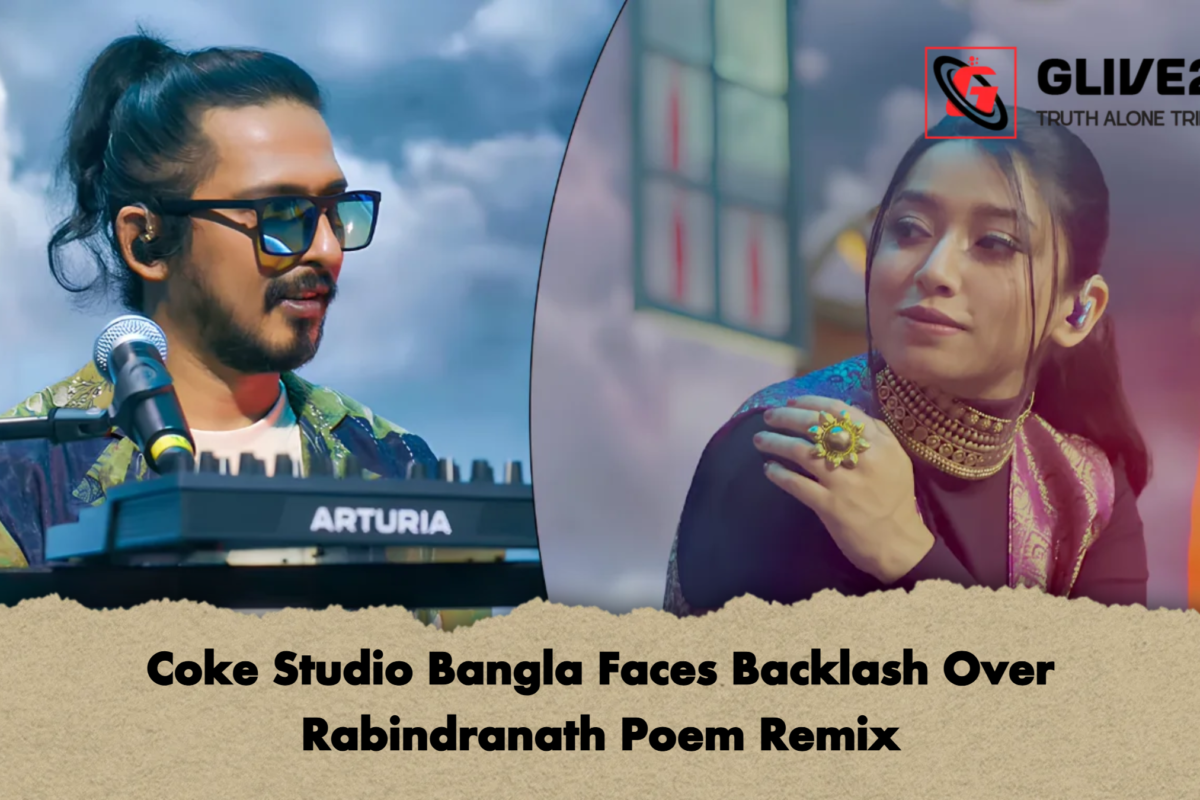
The second track of Coke Studio Bangla’s fourth season, titled ‘Megh’, has triggered a wave of intense criticism within twenty-four hours of its release. Centred around the themes of the monsoon season, the track carried immense expectations from audiences who traditionally look forward to the franchise’s seasonal offerings. However, its debut on YouTube and various social media platforms has sparked polarised debates, specifically regarding its musical arrangement and its unconventional adaptation of Rabindranath Tagore’s legendary poem, ‘Sonar Tori’.
Released after a one-month hiatus following the season premiere, ‘Megh’ features a vocal lineup consisting of Mohammad Shoeb, Masha Islam, and Maousumi. Shayan Chowdhury Arnob, the chief music producer of Coke Studio Bangla, orchestrated the musical arrangement. The track attempts to blend classical ragas with contemporary urban soundscapes. Whilst incorporating an original song penned by Smaran Dutta, the production introduces Tagore’s revered poem through a modern, hip-hop-inspired delivery. This specific creative choice has emerged as the primary source of public contention.
The comments section on YouTube has filled with expressions of deep disappointment from long-time listeners. One disappointed fan remarked that the song failed to resonate, noting that whilst previous tracks like ‘Rum Jhum’ were exceptional, this new release felt completely flat. Another listener argued that whilst the baseline production was flawless, the inclusion of the ‘Sonar Tori’ verses felt entirely unnecessary. More abrasive critiques labelled the track as an unpalatable culinary experiment, whilst some netizens sarcastically suggested that the hip-hop rendition might at least help higher secondary students memorise the classic poem for their upcoming board examinations.
The backlash quickly generalised across Facebook, where a barrage of satirical memes mocking the experimental track began circulating. Music enthusiasts have argued that transforming a deeply philosophical piece of Bengali literature into a rapid-fire rap segment compromises the inherent gravity and structural rhythm of the original poetry.
The controversy has caught the attention of prominent cultural personalities. Celebrated author and journalist Anisul Hoque shared his stern assessment of the song on his verified Facebook profile, critiquing the artistic execution.
“Every artist possesses the fundamental right to experiment, just as listeners retain the right to criticise,” Hoque stated. “There could not have been a worse interpretation of the poem ‘Sonar Tori’. A playful nursery rhyme like ‘Amader Choto Nodi’ might tolerate such an arrangement, but not ‘Sonar Tori’. The producers simply failed to grasp the depth of the poem. Congratulations on the experiment, but condolences for the miserable failure. I would rate it minus ten out of ten.”
The scathing review from a respected literary figure has amplified the ongoing discussions surrounding the boundaries of musical fusion and the preservation of classical heritage. Journalists have attempted to reach out to chief music producer Shayan Chowdhury Arnob for a statement regarding the widespread public dissatisfaction. However, Arnob has remained unreachable and has not yet responded to mobile telephone enquiries.




Comments