
Khabor Wala Desk
Published: 30th June 2026, 5:45 PM
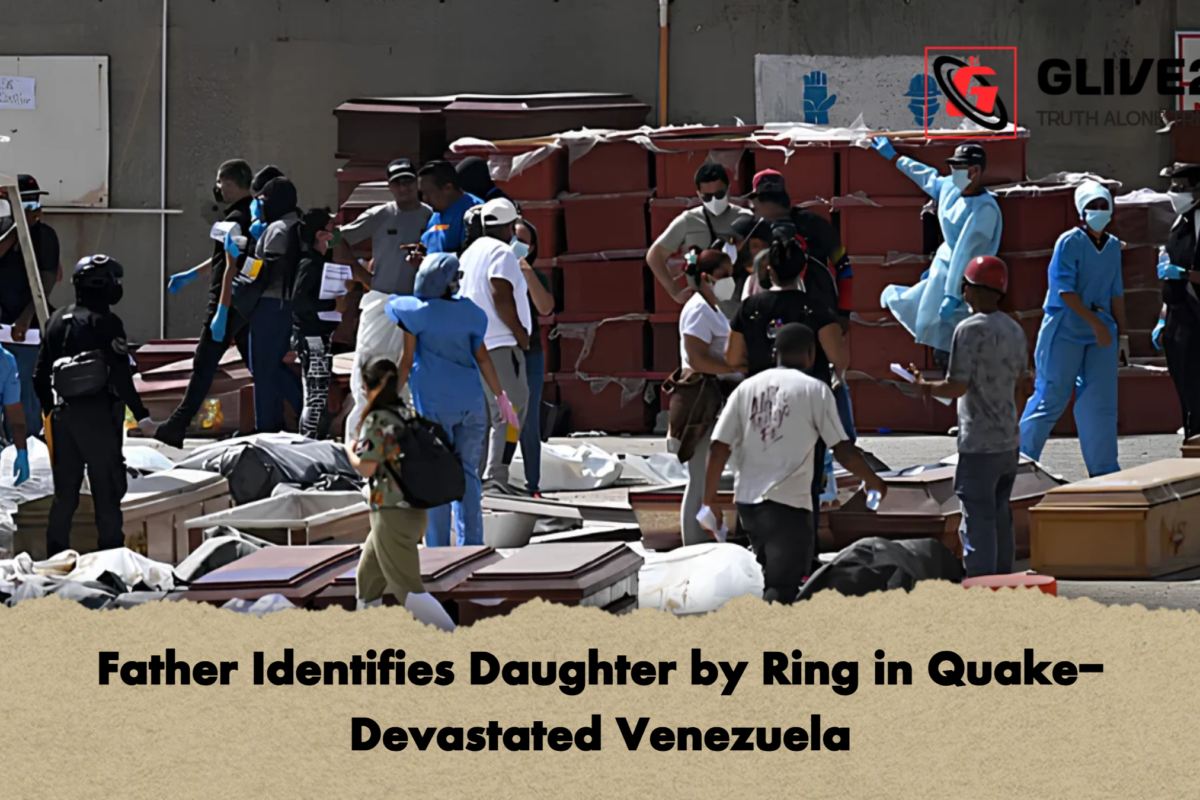
Under the scorching sun in the Venezuelan port city of La Guaira, forensic experts clad in blue gowns and caps methodically inspect rows of bodies wrapped in black bags. This makeshift mortuary has become the grim focal point of a major humanitarian crisis. Two powerful earthquakes, measuring 7.2 and 7.5 on the Richter scale, struck the coastal state near the capital city of Carakas within seconds of each other. The double catastrophe has reduced entire residential neighbourhoods to rubble, flattening high-rise buildings, shopping centres, and schools in an instant.
Official figures indicate that the death toll has already surpassed 1,700 people. With local hospital mortuaries completely overwhelmed, authorities were forced to convert the port area into an outdoor morgue. Coffins and body bags line the ground, where workers have scattered lime over some of the remains to slow down decomposition in the intense heat. Nearby, close to a white tent, a hundred empty urns sit in a neat row, waiting to hold the ashes of victims after cremation.
The human toll behind the disaster is immense. Wilkar Mollala, a 25-year-old survivor, waited anxiously outside the port facility to identify his relatives. He told the representative that his sister, her children, and his brother’s children were all inside the temporary morgue. Out of an eleven-member family, only Wilkar and his brother survived, solely because they were at their workplaces when the tremors struck.
Distraught relatives arrive constantly, some clutching bouquets of flowers to identify their loved ones, while others prepare to receive bodies for final rites. Amid the grief, anger is mounting against the state response. In many affected areas, desperate residents are still clawing through the concrete debris with their bare hands to reach missing relatives.
Under a tarpaulin stretched across four poles, medical officers and forensic specialists continue the grim task of issuing death certificates and cremation permits. A specialised truck bearing the label “Special Hospital West Unit” arrives periodically to collect medical waste from the post-mortem examinations.
For Anthony Marcano, 41, the search for his daughter ended in a bittersweet resolution. After searching fruitlessly for a day, he finally located her body. Marcano explained that he was able to identify her only because of a distinctive ring he had gifted her. The body was otherwise unrecognisable. Marcano had personally assisted in digging her out from the wreckage, recognising her clothes and the ring on her finger.
The total number of people trapped beneath the ruins remains unknown, as official state estimates have not been released. However, the United Nations estimates that nearly 50,000 people remain missing and is dispatching 10,000 body bags to assist with the emergency response. In a wave of national solidarity, private funeral homes across Venezuela have begun offering free transport and cremation services. Darwin Silva, 37, was among those collecting his mother’s remains, which had been recovered from beneath a collapsed beam at a social housing project built during the presidency of Hugo Chavez. After receiving his death certificate, Marcano urged other grieving families to pray for the strength to give their loved ones a dignified farewell.
No related posts available.
Comments