Bangladesh is increasingly positioned within the global transition towards low-carbon economic systems, as climate change mitigation efforts reshape international trade and investment frameworks. According to sector experts, the country could generate around 1 billion US dollars annually in foreign exchange by effectively developing its carbon credit and green insurance markets.
Carbon credit development and earnings
Carbon credits represent a recognised international trading mechanism, where one credit is issued for the reduction of one metric tonne of carbon emissions. These credits are purchased by countries and corporations seeking to comply with emissions reduction commitments.
Bangladesh formally entered the carbon market in 2006 through the Infrastructure Development Company Limited. Since then, approximately 2.53 million carbon credits have been sold, generating around 17 million US dollars in revenue. Despite this progress, analysts indicate that the country’s participation remains limited relative to its potential in the global market.
The international carbon credit market is expanding rapidly and is projected to reach 4.7 trillion US dollars by 2030, according to industry estimates. This projected growth presents substantial opportunities for Bangladesh to scale its participation.
Expansion of green industrial capacity
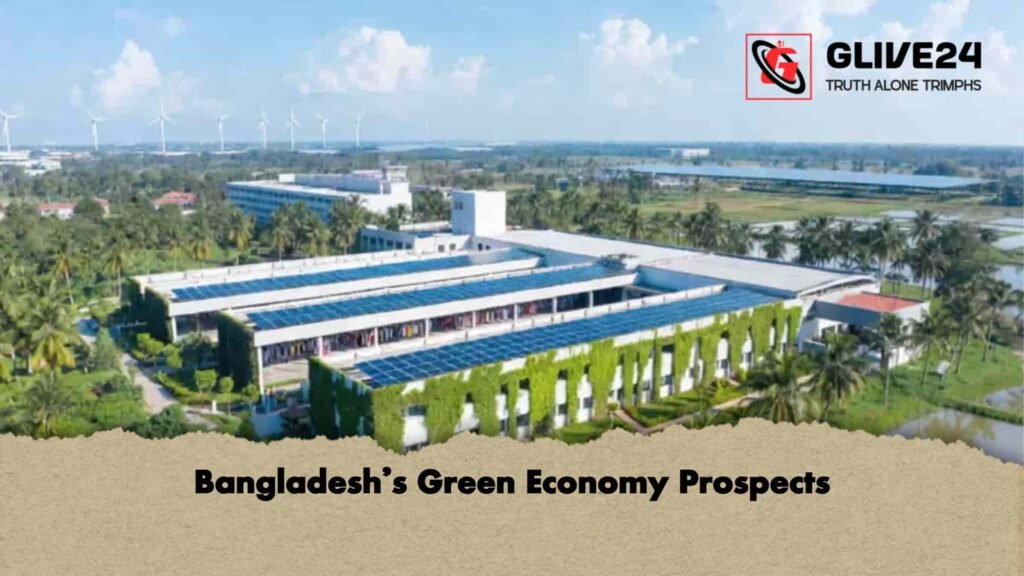
Bangladesh has developed a notable global position in environmentally certified manufacturing, particularly in the ready-made garment sector. The country has made significant progress in adopting energy-efficient and environmentally compliant industrial practices.
At present, Bangladesh has more than 280 Leadership in Energy and Environmental Design (LEED) certified factories. A significant number of these facilities hold platinum and gold certifications. In addition, 69 of the world’s top 100 green factories are located in Bangladesh, demonstrating its strong industrial shift towards sustainable production systems.
Green insurance and renewable energy investment
Green insurance is considered an important financial instrument for reducing investment risks in renewable energy projects. Such projects, including solar and wind installations, are exposed to risks such as natural disasters, technical failures, and fluctuations in market conditions.
Bangladesh currently has a renewable energy generation capacity of 1,315 megawatts, of which approximately 77 per cent is derived from solar energy. Meeting national renewable energy targets by 2030 is estimated to require annual investment of around 1 billion US dollars. Insurance mechanisms tailored to green projects are therefore considered essential for ensuring investment security and financial stability.
Carbon Border Adjustment Mechanism impact
The European Union’s Carbon Border Adjustment Mechanism is scheduled to be fully implemented from 2026. Under this framework, carbon-intensive imports will be subject to additional tariffs based on their emissions levels.
Given that nearly half of Bangladesh’s exports are directed to European markets, the policy is expected to have significant implications for its export competitiveness. This is likely to increase pressure on domestic industries to reduce carbon emissions and adopt cleaner production technologies.
Institutional and policy constraints
Despite promising prospects, several structural challenges remain. Bangladesh does not yet have a fully developed national carbon registry. Policy frameworks and regulatory guidelines in this area remain underdeveloped. Furthermore, the availability of internationally accredited carbon auditing and verification institutions is limited.
In the green insurance segment, the absence of comprehensive risk assessment data makes it difficult to accurately determine insurance premiums for renewable energy projects. This creates operational and financial challenges for insurers and investors.
Summary of key indicators
| Sector | Indicator | Value |
|---|---|---|
| Carbon credits sold | Total volume | 2.53 million |
| Carbon credit revenue | Earnings | 17 million USD |
| LEED-certified factories | Total number | 280+ |
| Top global green factories in Bangladesh | Share | 69 of top 100 |
| Renewable energy capacity | Total | 1,315 MW |
| Solar share of renewables | Percentage | 77% |
| Estimated annual investment need (2030 target) | Funding requirement | ~1 billion USD |
| Projected global carbon market size (2030) | Market value | 4.7 trillion USD |
Outlook
Specialists indicate that coordinated policy development, institutional strengthening, and international cooperation could enable Bangladesh to expand its role in both carbon markets and green insurance systems. These sectors are increasingly viewed not only as environmental tools but also as emerging components of a broader green economy with significant economic potential.