The interim government’s plans to fully implement the newly formulated public sector pay scale have hit a major roadblock due to an ongoing financial crisis. Facing severe budgetary constraints, the administration is currently working to prune the proposed framework, introducing significant adjustments to the basic salaries, allowances, and other financial benefits across various civil service grades.
In a bid to manage the state exchequer effectively, the government is considering a strategic shift from an immediate, one-off implementation to a phased, three-stage rollout.
High-Level Diliberations and Administrative Hurdles
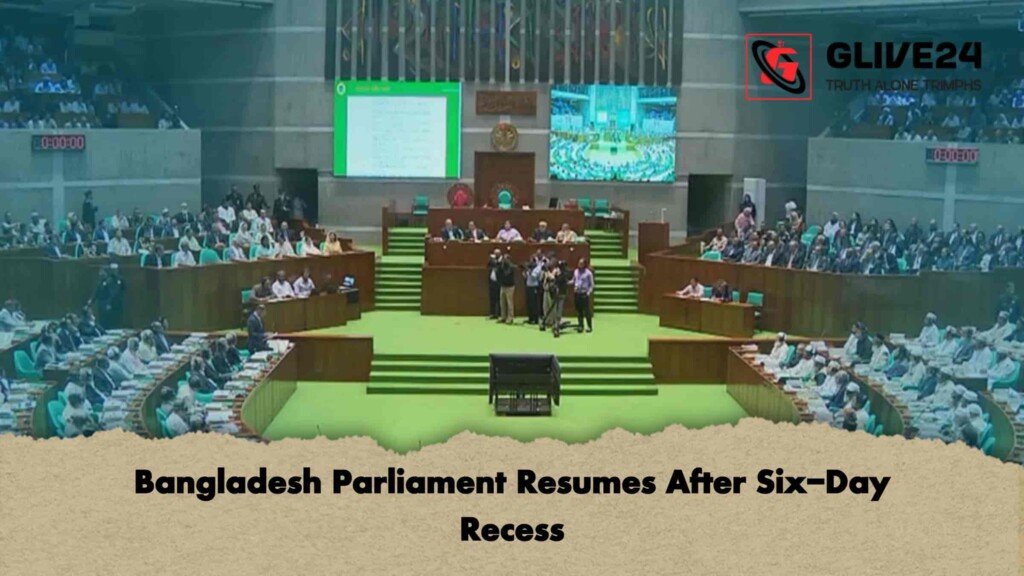
The strategy was the central focus of a high-level Secretaries’ Committee meeting held at the Secretariat on Monday (6 July). While a definitive conclusion was not reached during the session, sources familiar with the matter indicated that at least two more rounds of meetings will be required to finalise the recommendations. Once the committee solidifies its proposal, it will be forwarded to the Finance Minister for official endorsement, after which a government gazette will be formally published.
Acknowledging the state’s limited fiscal capacity, the Secretaries’ Committee is inclined towards this gradual implementation to prevent an immediate shock to the national economy. However, insiders note that a multi-stage rollout is highly likely to trigger complex administrative and technical challenges, particularly regarding payroll management and accounting systems. The committee is reportedly drafting guidelines to minimise these bureaucratic complications as much as possible.
Retroactive Benefits Amid Growing Uncertainty
According to the current blueprint, the new pay scale will officially come into effect retroactively from 1 July. Consequently, government officials and employees will legally be entitled to the enhanced salary and allowances from that date, even though the actual cash disbursements will be distributed over subsequent phases.
A member of the Secretaries’ Committee, speaking on the condition of anonymity, stated:
“The committee has not yet submitted its final recommendations. They may require a little more time. Implementing this revamped structure in a single or even double phase might not be feasible given the current economic climate. The committee is thoroughly reviewing the fiscal landscape, and if deemed necessary, a three-stage implementation will be recommended.”
Mounting Anxiety Among Public Servants
Despite the start of the new financial year, the delay in publishing the official gazette has sparked widespread anxiety and uncertainty across the civil service. Although the government has repeatedly offered assurances that the benefits will be backdated to 1 July, the lack of a formal notification leaves critical questions regarding the final salary architecture and revised allowance breakdowns unanswered.
This growing opacity has caused the greatest distress among retired government officials and pensioners. Cut off from direct channels of bureaucratic communication, the veteran community remains entirely in the dark regarding how these structural cuts and phased disbursements will impact their pensions and gratuities.