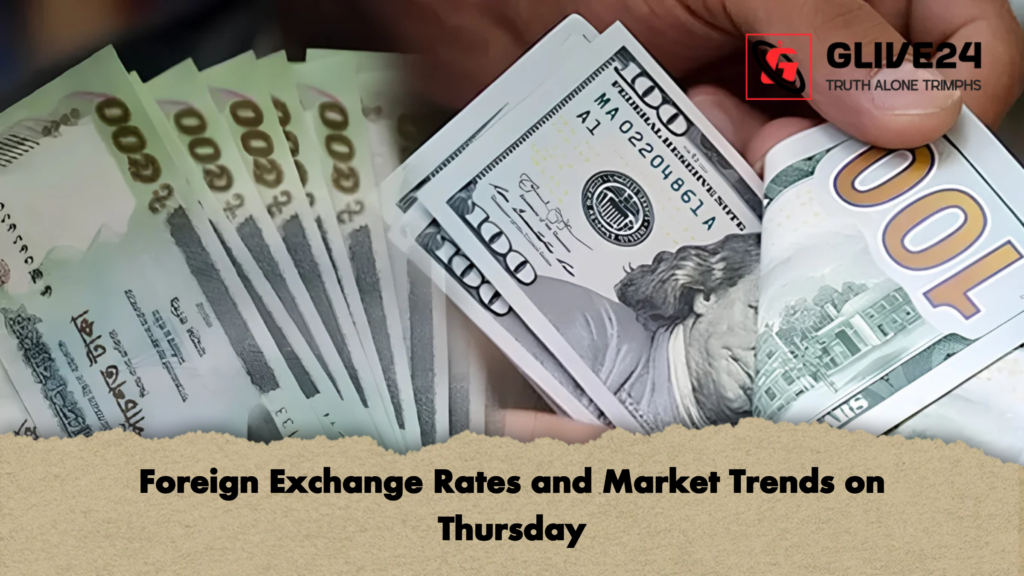
Trading is active in the national foreign exchange market on Thursday, marking the final working day of the week. Due to a combination of international factors, including the ongoing geopolitical crisis in the Middle East, the values of foreign currencies have experienced continuous fluctuations over the past few months. Despite these erratic movements, a broader analysis of the currency market reveals an overall upward or increasing price trend that has persisted for more than a month.
Table of Contents
Market Status of the US Dollar
According to official data released by the central bank, Bangladesh Bank, the exchange rate for the United States Dollar (USD) has remained unchanged during today’s trading session. The average price of the dollar has been maintained at 122.75 Taka. This stabilization follows several months of price volatility, during which the value of the dollar fluctuated frequently against the local currency.
Trends Among Other Major Currencies
In contrast to the stability observed with the US Dollar, the majority of other prominent international currencies traded in the market experienced a decline in value today. This downward trend affected several major global currencies, including the Euro (EUR), the British Pound (GBP), the Chinese Yuan (CNY), the Australian Dollar (AUD), and the Singapore Dollar (SGD). On the other hand, a few regional and international currencies managed to withstand the daily market shifts; the exchange rates for both the Indian Rupee (INR) and the Japanese Yen (JPY) remained entirely unchanged compared to their previous positions.
Summary of Major Foreign Exchange Rates
The verified market positions and rate behaviors of the primary international currencies for today’s trading session are compiled in the reference table below:
| Currency Name | Currency Code | Market Position and Exchange Rate Status |
| United States Dollar | USD |
Price remains unchanged; average rate is 122.75 Taka. |
| Euro | EUR |
Price decreased compared to the previous session. |
| British Pound | GBP |
Price decreased compared to the previous session. |
| Chinese Yuan | CNY |
Price decreased compared to the previous session. |
| Australian Dollar | AUD |
Price decreased compared to the previous session. |
| Singapore Dollar | SGD |
Price decreased compared to the previous session. |
| Indian Rupee | INR |
Price remains unchanged compared to the previous session. |
| Japanese Yen | JPY |
Price remains unchanged compared to the previous session. |
Open Market Dynamics and Commercial Impact
In accordance with standard economic practices, foreign currencies are bought and sold in the open market (kerb market) at rates slightly higher than the official figures published by the central bank. Today’s trading observed a similar margin between the official bank rates and open market transactions.
These ongoing fluctuations in foreign exchange rates directly correlate with the operational costs of domestic commerce and international trade. As exchange rates rise or fall, the overheads associated with importing raw materials, settling international invoices, and conducting cross-border business transactions adjust accordingly. The central bank continues to monitor these rates to maintain macroeconomic stability amidst international market pressures.