
Khabor Wala Desk
Published: 29th June 2026, 5:31 PM
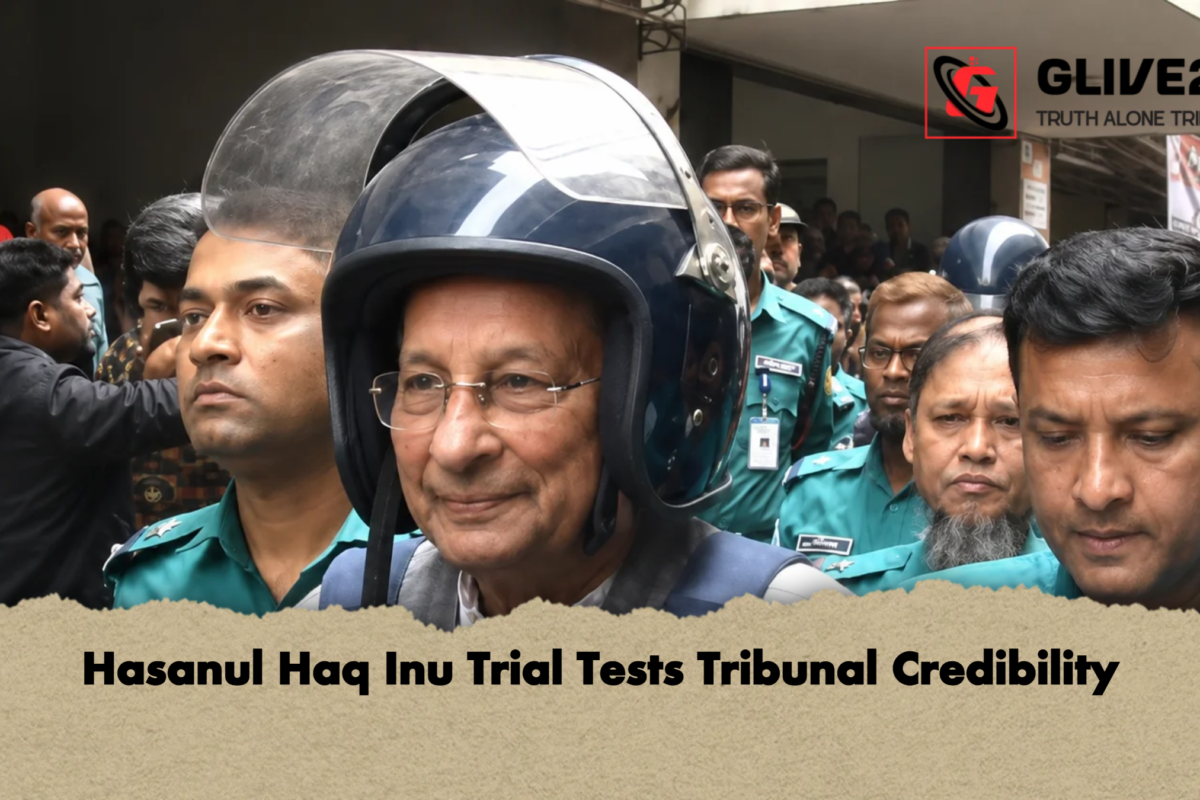
On 30 June, the International Crimes Tribunal-2 in Dhaka is set to deliver its verdict in the case against Hasanul Haq Inu, president of the Jatiya Samajtantrik Dal (JSD), over allegations linked to the killing of six people in Kushtia during the July 2024 protest movement. The proceedings have attracted national attention, not merely because of the accused’s political profile, but due to the broader questions they raise about legal standards, political accountability, and the reach of the tribunal itself.
The case stems from charges of crimes against humanity connected to the violent phase of the quota reform protests in July and August 2024. Prosecutors allege that Inu played a role in planning, incitement, and facilitation of attacks that led to civilian deaths. Central to the prosecution’s narrative is a phone conversation involving Inu and senior political figures, which is said to have discussed surveillance measures against protesters shortly before deadly police operations in Dhaka and Savar.
Inu’s defence, however, sought full discharge from the case, arguing that the protest movement had evolved into an armed insurrection by mid-July 2024, allegedly influenced by extremist and opposition elements. The defence cited incidents such as prison breaks, attacks on law enforcement personnel, and the reported use of military-grade weapons by civilians. It argued that Inu’s public remarks were descriptive rather than inciting, and therefore fell short of the legal threshold required under the International Crimes (Tribunals) Act, 1973.
The petition also challenged the evidentiary basis of the prosecution, questioning the authenticity and chain of custody of digital recordings, pointing to alleged inconsistencies in timelines, and arguing that Inu held no executive or ministerial authority that could establish command responsibility. It further raised broader constitutional concerns regarding amendments to the tribunal law, the admissibility of international fact-finding material, and potential procedural irregularities.
On 2 November 2025, the tribunal rejected the discharge application, holding that sufficient grounds existed to proceed to trial. It framed eight charges, including murder, persecution on political grounds, and other inhumane acts, under provisions relating to crimes against humanity. The tribunal characterised Inu as a political leader who allegedly contributed to planning and incitement.
The defence, however, continues to maintain that the case rests largely on intercepted communications and contested witness interpretations rather than direct evidence of orders or operational control. It also highlights Inu’s political history as a long-standing secular figure and former freedom fighter, arguing that his public statements during the protests consistently called for restraint and dialogue.
At the same time, the prosecution insists that forensic verification supports the reliability of the recordings and that witness testimony establishes a pattern of coordination and encouragement of state response measures. Previous tribunal findings in related proceedings have also been cited in support of the broader narrative of coordinated action during the unrest.
The case sits at a sensitive intersection of law and politics. Bangladesh’s political landscape has shifted significantly since the events in question, with renewed debate over accountability, institutional neutrality, and the role of historical political actors. Critics of the proceedings warn of the risk of politically influenced justice, while others argue that serious allegations involving civilian deaths demand full judicial scrutiny regardless of the accused’s status.
Ultimately, the case underscores a central legal question: whether the prosecution can establish individual criminal responsibility beyond reasonable doubt, based on admissible evidence rather than political interpretation. The tribunal’s decision will therefore be measured not only against the accused, but against the credibility of the judicial process itself.


Comments