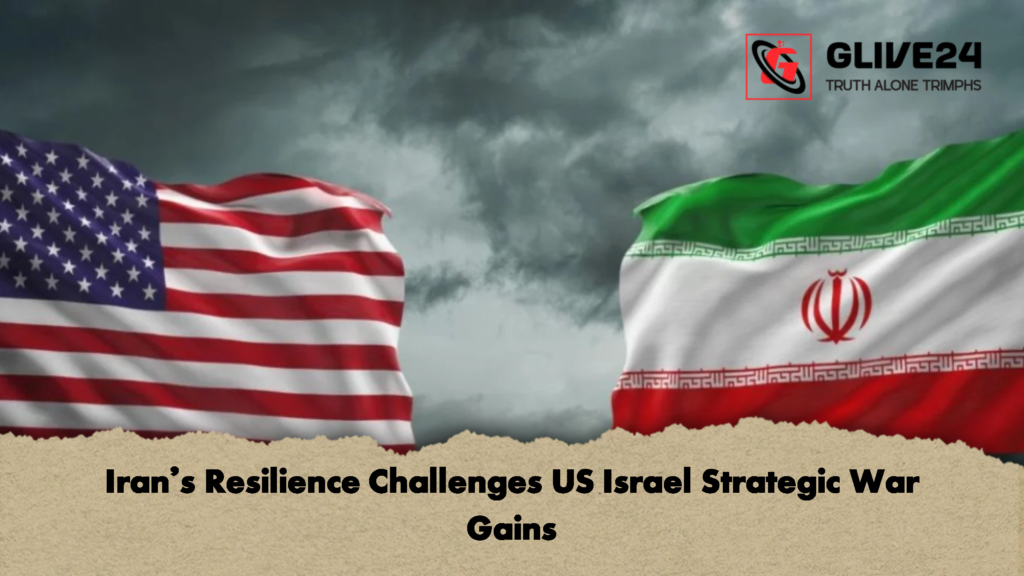
In the wake of a temporary cessation of hostilities involving Iran, Israel, and the United States, a critical question now dominates international discourse: who has truly emerged victorious? While Washington and Tel Aviv have portrayed the campaign as a strategic success, Tehran maintains that its core capabilities, governance structure, and regional posture remain intact. Increasingly, analysts argue that the answer lies not in battlefield statistics, but in political endurance and long-term strategic outcomes.
Rethinking victory in contemporary conflict
Traditionally, wars were judged by territorial conquest and decisive military outcomes. However, since the conclusion of World War II, evolving international norms—particularly those concerning human rights and legal frameworks—have transformed the concept of victory. Modern conflicts frequently take the form of asymmetric warfare, where a militarily weaker side can claim success simply by surviving sustained assaults without systemic collapse.
In such settings, resilience, legitimacy, and the capacity to maintain internal command structures often outweigh conventional battlefield dominance.
Tactical successes versus strategic ambiguity
From a military perspective, the United States and Israel assert that they achieved several operational objectives. These reportedly include significant damage to Iranian missile systems, degradation of critical infrastructure, and the elimination of senior military and political figures. There have also been claims of disruption to elements of Iran’s nuclear programme.
Yet, the broader strategic ambitions appear less fulfilled. The principal objectives attributed to Washington and Tel Aviv—namely, forcing regime change in Iran and permanently dismantling its nuclear capabilities—remain unrealised. Observers suggest that, despite tactical gains, the inability to achieve these overarching goals complicates any claim of outright victory.
Comparative overview of conflict outcomes
| Dimension | United States & Israel | Iran |
|---|---|---|
| Military impact | Targeted strikes on infrastructure and leadership | Sustained defensive and retaliatory operations |
| Political goals | Regime change, nuclear rollback (largely unmet) | Preservation of political system |
| Strategic influence | Short-term battlefield advantage | Continued regional leverage |
| Global perception | Criticism over civilian harm | Mixed, but resilience emphasised |
Iran’s enduring strategic posture
Despite sustained pressure, Iran appears to have preserved its internal cohesion and strategic positioning. A key aspect of its response has been shifting attention to the Strait of Hormuz—a vital corridor through which a significant portion of the world’s oil supply passes. By elevating tensions in this region, Tehran has effectively broadened the conflict’s global implications, increasing pressure on international markets and stakeholders.
Diplomatically, Iran has also demonstrated agility. During negotiations reportedly held in Pakistan, it presented a structured multi-point proposal, signalling preparedness for both confrontation and dialogue. This dual-track approach has allowed Tehran to retain leverage while projecting stability.
Equally significant is Iran’s continued adherence to its doctrine of resistance. Despite facing technologically superior adversaries, it has maintained operational capabilities and conducted counter-strikes, reinforcing the perception that it remains a formidable regional actor.
Reputational impact and global scrutiny
The conflict has had notable reputational consequences, particularly for the United States and Israel. Reports from the United Nations and international human rights bodies have raised concerns regarding civilian casualties and alleged strikes on non-military infrastructure, including educational institutions. Such developments have drawn criticism and raised questions about adherence to international humanitarian norms.
At the same time, Iran has not been immune to scrutiny. Incidents affecting energy infrastructure in the Gulf have heightened tensions with neighbouring states, potentially complicating Tehran’s regional diplomacy in the longer term.
A war without a clear victor
Taken as a whole, the conflict presents a complex and inconclusive picture. While the United States and Israel may point to measurable military achievements, their inability to secure decisive political outcomes suggests a more limited success. Conversely, Iran’s ability to withstand pressure, maintain governance, and preserve strategic influence allows it to claim a form of political resilience.
In modern warfare, such resilience can itself be interpreted as victory.
However, the final verdict remains uncertain. The evolving geopolitical landscape, ongoing diplomatic manoeuvres, and long-term regional consequences will ultimately determine how this সংঘাত is judged by history.
For now, the episode underscores a defining reality of contemporary conflict: victory is no longer determined solely by force of arms, but by endurance, adaptability, and the ability to shape both perception and outcome beyond the battlefield.