Global energy markets experienced a sharp upward trajectory on Thursday, 28 May 2026, following a renewed round of United States military strikes against a strategic facility in southern Iran. The targeted bombardment, which disrupted a brief period of market stabilization, has reignited fears of prolonged supply vulnerabilities across the Middle East.
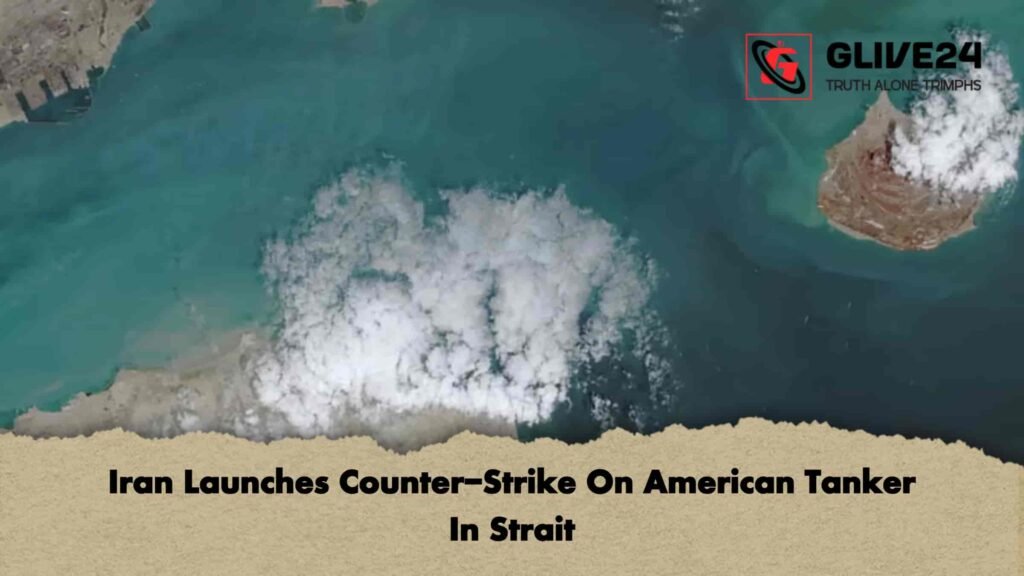
According to an official statement issued by the United States Central Command (CENTCOM), American forces successfully intercepted and shot down four Iranian one-way attack unmanned aerial vehicles (UAVs) operating in the vicinity of the Strait of Hormuz. Following the interceptions, the US military executed a retaliatory strike against an Iranian drone ground control station situated within a military installation in the coastal port city of Bandar Abbas, neutralizing the site as it prepared to launch a fifth asset.
Global Market Reaction and Trading Metrics
The immediate consequence of the kinetic engagement was reflected across international energy trading platforms. The global benchmark, North Sea Brent crude, advanced by 3.75 per cent, climbing to $97.83 (£73.15) per barrel. Simultaneously, West Texas Intermediate (WTI) crude futures, the standard metric for the United States domestic market, surged by 4.00 per cent to settle at $92.22 per barrel.
The exact financial shifts and structural parameters recorded in the global energy market following Thursday’s military developments are detailed in the table below:
| Crude Oil Benchmark Category | Baseline Trading Price | Documented Percentage Increase | Core Market Jurisdiction |
| Brent Crude Futures | $97.83 (£73.15) per barrel | 3.75% | European / International Market |
| West Texas Intermediate (WTI) | $92.22 per barrel | 4.00% | United States Domestic Market |
Structural Conflict and Transit Closures
The latest exchange occurred during a delicate geopolitical window. Widespread diplomatic efforts—mediated primarily through active backchannel negotiations—were underway to institutionalize a formal ceasefire and conclude the three-month-old regional war.
The conflict has induced a de facto closure of the Strait of Hormuz for the past 90 days. This critical maritime bottleneck is responsible for the transit of approximately 20 per cent—or one-fifth—of the global supply of petroleum and liquefied natural gas (LNG), meaning its prolonged obstruction has structurally elevated worldwide energy overheads.
The root of the ongoing naval standoff traces back to 28 February 2026, when the United States and Israel initiated a massive, coordinated joint military offensive inside Iranian territory. Immediately following those initial strikes, the government in Tehran issued formal retaliatory directives, threatening to intercept, seize, or disable any commercial or state vessels utilizing the Strait of Hormuz. Despite consecutive weeks of shifting price corrections, the persistent vulnerability of regional coastal infrastructure continues to heavily influence global economic indices.