
Khabor Wala Desk
Published: 4th March 2026, 12:12 PM
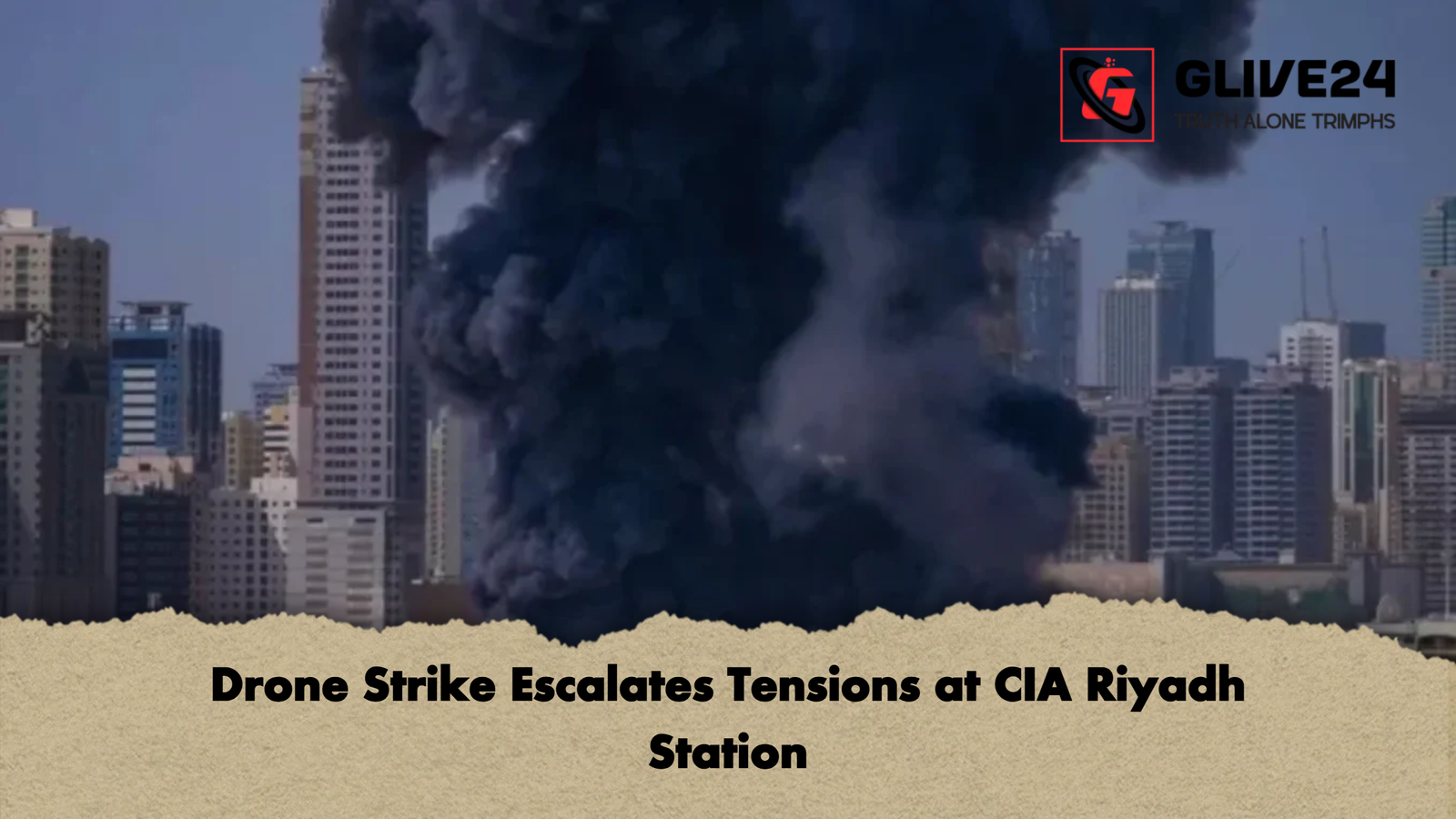
A drone attack targeted the United States Embassy in Riyadh, Saudi Arabia, on Monday, reportedly impacting a sensitive Central Intelligence Agency (CIA) station within the compound. The incident has raised significant security concerns, underscoring that even heavily fortified diplomatic zones are increasingly vulnerable to precision attacks.
According to a Reuters report citing an informed source, the drone is believed to have been launched from Iran, although it remains uncertain whether the CIA station was the intended target. When contacted for comment, CIA officials declined to provide any statement regarding the incident.
The attack comes amid escalating tensions in the region following a series of confrontations between Iran and the United States–Israel alliance that began the previous Saturday. Since joint US-Israel operations commenced in Iran, Tehran has reportedly launched retaliatory strikes against multiple American and Israeli facilities across the Middle East. The Riyadh drone incident represents a marked escalation, signalling that even the most fortified diplomatic districts are no longer immune from targeted attacks.
International media outlets, including the Washington Post, reported that the strike caused a portion of the embassy roof to collapse, filling parts of the building with smoke and inflicting structural damage. Although the CIA station may not have been the primary target, its presence within the embassy raises concerns about potential disruption to ongoing intelligence operations. No casualties have been reported.
In response, the US State Department has instructed embassy personnel to remain in secure locations while a detailed investigation into the source, method, and intent of the attack is conducted. Saudi authorities have simultaneously intensified airspace monitoring and reinforced security at all US installations across the kingdom.
Security analysts have warned that attacks near intelligence facilities could complicate operations, prolong regional instability, and potentially draw in additional actors into the conflict. “The proximity of the strike to a CIA station is significant,” said a Middle East security expert. “Even if the station was not the primary target, the risk of collateral damage to intelligence operations is high, and such incidents may provoke further retaliatory measures.”
The geopolitical ramifications are considerable. Iran has publicly asserted that it will continue targeting US and Israeli interests throughout the Middle East. Meanwhile, Saudi Arabia has vowed to prevent any unauthorised incursions into its airspace and enhance protective measures around key diplomatic and intelligence sites. Regional observers suggest that this development could exacerbate tensions and make the ongoing US–Iran–Israel conflict more protracted and dangerous.
| Aspect | Details |
|---|---|
| Date & Time | Monday, 2 March 2026 (approximate) |
| Location | US Embassy compound, Riyadh, Saudi Arabia |
| Target | CIA station within embassy (possible) |
| Suspected Perpetrator | Drone reportedly launched from Iran (unconfirmed) |
| Damage | Partial roof collapse, smoke, structural damage |
| Casualties | None reported |
| Immediate Response | US staff instructed to shelter; security heightened |
| Regional Context | Part of escalating US–Israel vs Iran confrontations in the Middle East |
| Source | Reuters, Washington Post |
This incident highlights the growing vulnerability of high-security sites in the Middle East and reinforces the precarious nature of US and allied operations in the region. Experts emphasise that continued escalation could have far-reaching consequences for diplomatic missions, intelligence networks, and regional stability.


Comments