
Khabor Wala Desk
Published: 1st February 2026, 4:42 PM
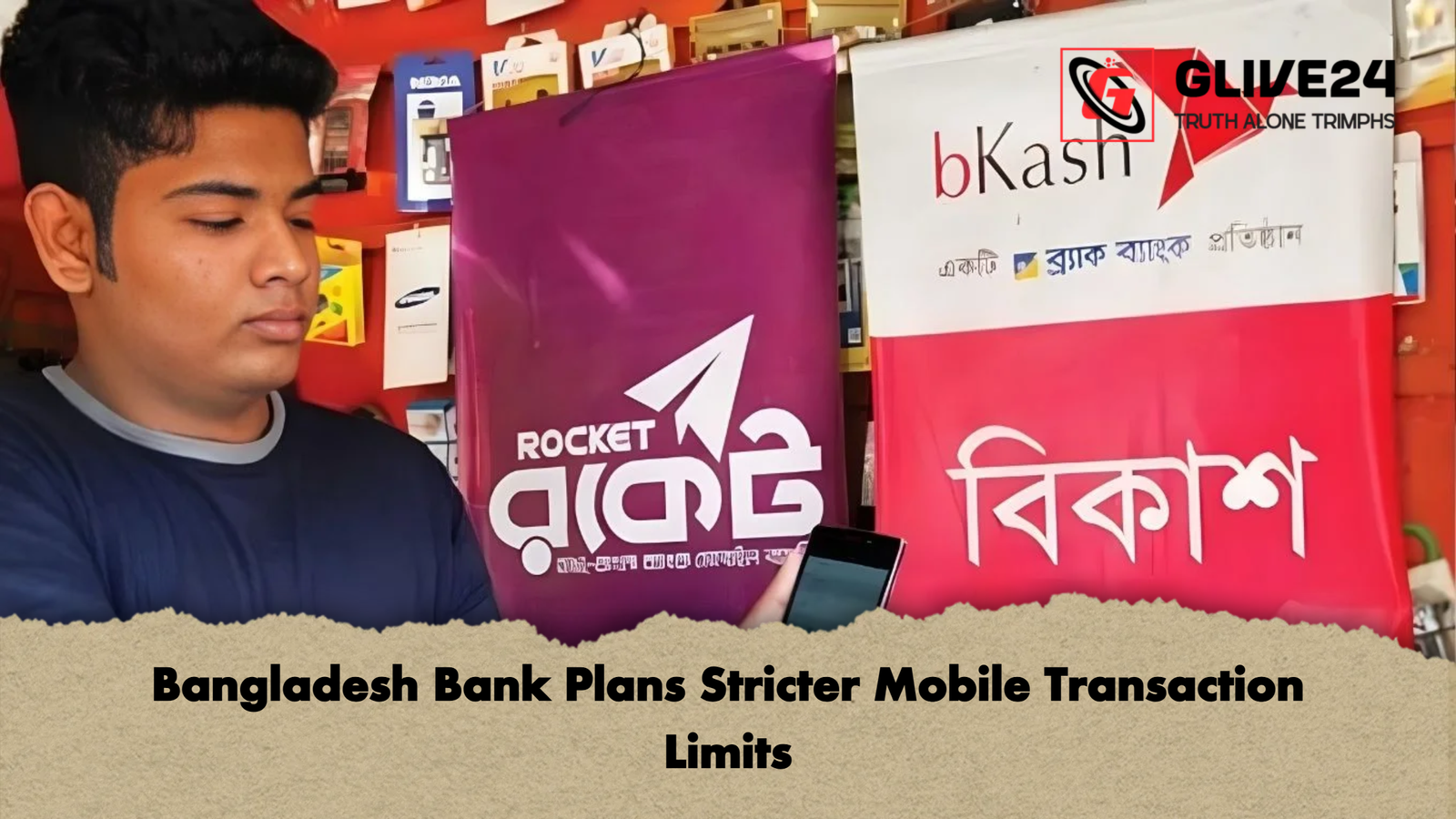
In anticipation of the upcoming national parliamentary elections, Bangladesh Bank is preparing to impose stricter regulations on mobile financial services (MFS) transactions. The primary objective of these measures is to prevent illicit financial activities and ensure transparency in monetary flows before and after the election period.
Arif Hossain Khan, Executive Director and spokesperson for Bangladesh Bank, stated on Sunday (1 February) that the central bank may set daily transaction limits for mobile banking services during the election period. According to preliminary plans, ordinary customers would be allowed to conduct transactions of up to BDT 10,000 per day during the restricted period, with a maximum limit of BDT 1,000 per individual transaction.
“Before every national election, the Election Commission typically issues directives to limit MFS transactions,” Khan explained. “However, we have not yet received any official communication this time. Necessary measures will be implemented once the formal instructions are issued.”
Currently, major MFS platforms in the country, including bKash, Rocket, and Nagad, operate under the following limits:
| Transaction Type | Current Limit | Proposed Election Limit |
|---|---|---|
| Daily transaction per customer | BDT 50,000 | BDT 10,000 |
| Daily cash withdrawal | BDT 30,000 | Under discussion |
| Peer-to-Peer (P2P) transactions | BDT 50,000 | BDT 1,000 per transaction, up to 10 transactions/day |
| Monthly transaction limit | BDT 300,000 | Not yet determined |
| Daily transaction count | 50 times | 10 times (under discussion) |
| Monthly transaction count | 100 times | Not yet determined |
Bangladesh Bank sources indicate that these proposed restrictions are primarily intended to curb centralised illicit financial flows and irregularities during the election. Khan further emphasised, “If necessary, even stricter measures may be applied to mobile banking services during the election period.”
Financial analysts and experts suggest that such limits could encourage customers to be more cautious with their transactions and reduce opportunities for suspicious or abnormal financial activity. They argue that these measures may prove effective in ensuring financial transparency and integrity during the politically sensitive period surrounding the elections.
As the Election Commission and Bangladesh Bank finalise the details, the public can expect temporary adjustments to their usual MFS transaction routines, aimed at safeguarding the country’s financial system during a critical democratic exercise.


Comments