
ABM Zakirul Haque Titon
Published: 4th July 2026, 12:15 PM
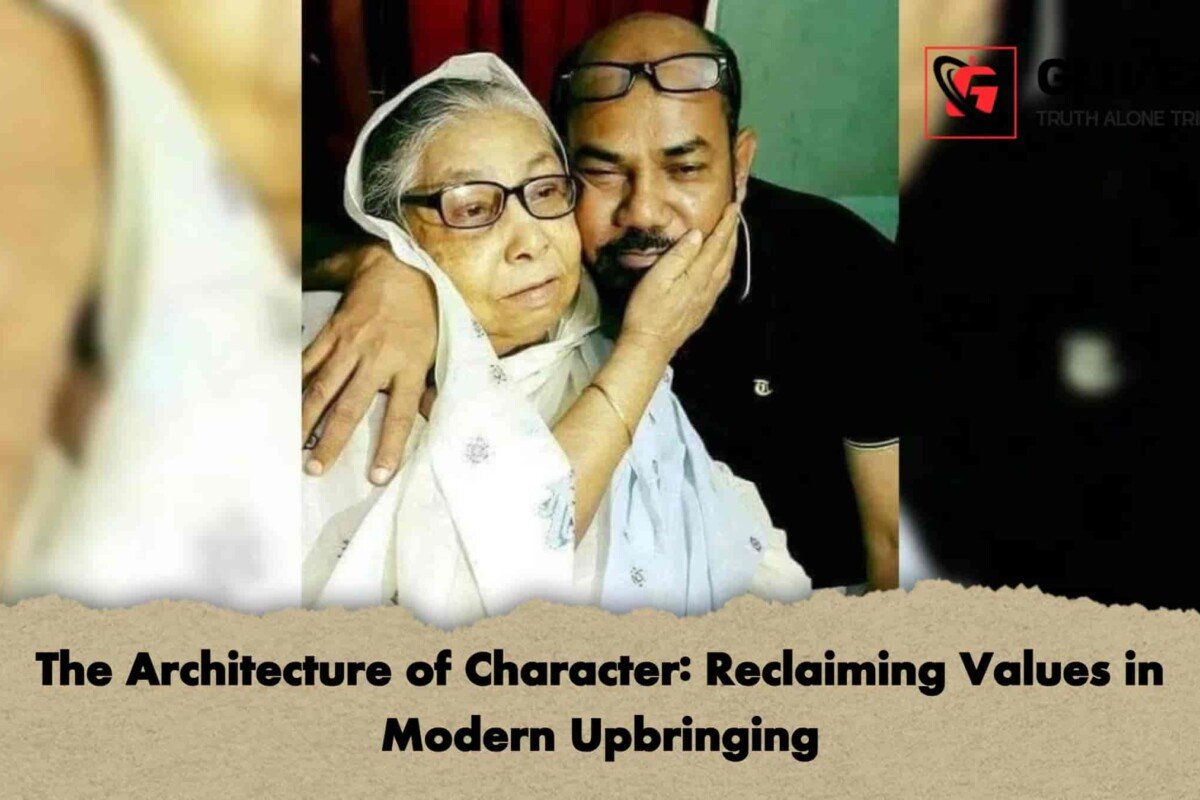
In an increasingly interconnected yet emotionally fragmented world, the fundamental principles of child-rearing and family dynamics are undergoing a quiet transformation. While technological progress has streamlined daily life, it has simultaneously introduced an unprecedented social distance. The modern household, traditionally revered as the foundational sanctuary for a child’s moral development, is frequently challenged by the encroaching pressures of consumerism, individual anxiety, and intense social comparison.
Table of Contents
Historically, the family functioned as a cohesive educational unit. Knowledge was not merely institutional; it was experiential, passed down through generations via shared narratives, mutual reliance, and communal respect. In contemporary society, however, this collective ethos is increasingly overshadowed by a culture of self-interest.
A critical sociological observation reveals a troubling shift in public behavior: a growing tendency to scrutinise and critique the achievements of others rather than investing qualitative energy into the development of one’s own domestic sphere. Within this paradigm, the success of a peer’s child is often met with cynicism or envy rather than genuine celebration. This culture of detraction does not exist in a vacuum; it directly impacts the psychological development of the youth observing it.
Child development experts consistently emphasise that children internalise behaviour far more effectively through observation than through verbal instruction. A child’s mind operates as a highly receptive canvas, absorbing the subtle reactions, prejudices, and ethical choices demonstrated by adults.
The Cycle of Cynicism: When parents habitually engage in gossip, envy, or unprovoked criticism, these negative traits are subtly encoded into the child’s own worldview.
The Cycle of Empathy: Conversely, when children witness acts of humility, celebration of others’ success, and genuine community spirit, they absorb these attributes as normative life principles.
The psychological framework of a developing mind resembles fertile soil. The values sown during these formative years dictate the societal harvest of the future. Therefore, parental conduct serves as the primary textbook from which a child learns the language of human interaction.
A retrospective analysis of previous generations highlights a profound paradox. Many ancestral figures possessed limited formal education and lacked access to advanced technology, yet their lives were anchored by robust moral clarity, patience, and absolute integrity. Traditional maternal figures, operating without modern academic credentials, effectively served as the most influential academies of their time, teaching character through silent resilience and everyday wisdom.
In contrast, contemporary parenting heavily prioritises material and institutional advantages:
Enrolment in prestigious educational institutions.
Exposure to cutting-edge digital technology.
Access to diverse extracurricular portfolios.
While these tools are excellent for technical advancement, they raise an essential question: is modern society equipping children with the moral compass required to navigate life? True human dignity is never defined by material affluence or social authority, but by personal honesty, empathy, and service to the collective good.
The trajectory of any civilisation is determined by the character of its youth. Academic competence provides the necessary skills for professional survival, but fundamental human values provide the framework for a meaningful life. To build a stable, harmonious society, the focus of upbringing must expand beyond career readiness to encompass comprehensive life readiness.
| Core Competencies for Holistic Development |
| Authentic Integrity: Prioritising truthfulness and ethical transparency in personal and professional spheres. |
| Civic Responsibility: Understanding one’s duty towards the community and the state. |
| Mutual Tolerance: Cultivating patience and respect for differing human perspectives. |
| Conscious Altruism: Actively seeking the welfare of others without expecting immediate personal gain. |
| Gracious Humility: Valuing character over material status and respecting the dignity of all labour. |
Ultimately, the responsibility rests upon the family unit to redirect its focus inward. By choosing to nurture individual character rather than policing external achievements, parents can ensure that the next generation inherits not just a technologically advanced world, but a profoundly humane one.
Author: Editor and Publisher – G-Live 24 and Khoborwala.




Comments