
Khabor Wala Desk
Published: 27th June 2026, 4:54 PM
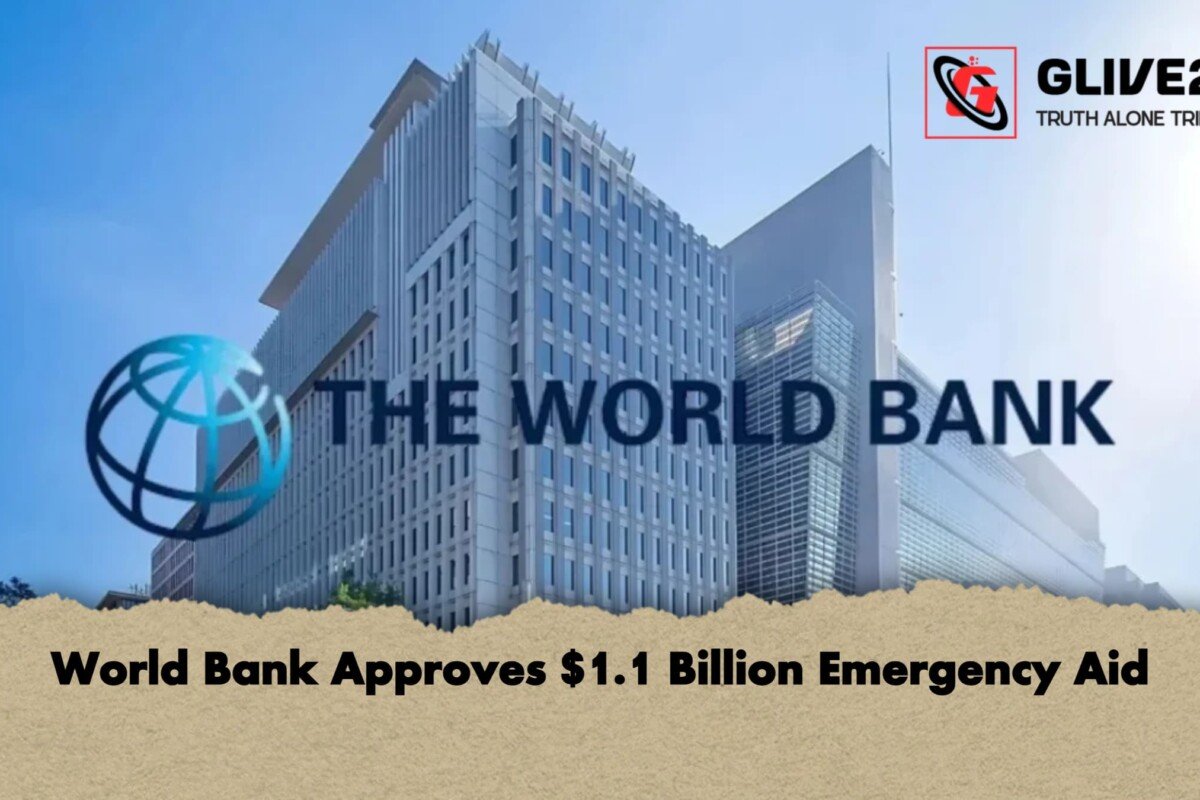
The World Bank has approved an emergency assistance package worth US$1.1 billion for Bangladesh to help the country safeguard food security, stabilise essential supplies and strengthen its ability to respond to potential economic shocks triggered by the ongoing conflict in the Middle East. The financial support was approved on 26 June, according to a statement issued by the international lender.
The World Bank said the funding is intended to address disruptions in global fertiliser and energy markets caused by the regional conflict, which has pushed up prices and created uncertainty in supply chains. The package is also designed to help Bangladesh maintain food production and ensure that critical public services continue to operate during periods of economic stress.
Jean Pesme, the World Bank’s Country Director for Bangladesh and Bhutan, said the conflict in the Middle East has increased the cost of food, fertiliser and fuel worldwide, placing additional pressure on the government’s fiscal resources. He noted that the burden has fallen most heavily on smallholder farmers as well as poor and vulnerable communities, making immediate financial support essential.
Of the total financing, US$300 million has been allocated to the Emergency Support for Food Security project. The funding will finance fertiliser imports required for the Aman rice season from July to October this year and for the Boro cultivation season between October 2026 and April 2027.
Bangladesh currently imports more than 85 per cent of its total fertiliser requirements, leaving the agricultural sector highly exposed to volatility in international markets. Under the project, approximately 600,000 metric tonnes of fertiliser will be imported, with urea accounting for half of the total volume. The World Bank estimates that this supply will support rice cultivation across nearly 1.4 million hectares of farmland, benefiting large numbers of small-scale farmers and helping to sustain domestic food production.
Souleymane Coulibaly, the World Bank’s Lead Economist and Task Team Leader for the project, said nearly 90 per cent of Bangladesh’s rice output comes from the Aman and Boro seasons. Since almost half of the country’s population depends directly or indirectly on agriculture for their livelihoods, any disruption to fertiliser supplies could threaten food security, increase poverty and weaken employment across rural communities.
A further US$713 million has been allocated under the Contingent Emergency Response programme. This component will provide cash assistance to families affected by economic shocks while also supporting the recovery of micro, small and medium-sized enterprises. The initiative aims to protect household incomes, preserve jobs and strengthen economic resilience during periods of crisis.
Part of the emergency funding will also be used to maintain uninterrupted energy supplies, helping to ensure the continued delivery of essential services such as electricity, clean water, healthcare, medicines and food distribution. According to the World Bank, the funds are scheduled to be disbursed by 30 June to enable rapid implementation of the programme.
Leslie Jean Yu Cordero, the World Bank’s Disaster Risk Management Specialist and Task Team Leader for the emergency response programme, said the financing has been made possible by reallocating unutilised resources from existing projects. This approach allows Bangladesh to access emergency funding quickly without waiting for lengthy approval procedures. He added that the mechanism would help protect vulnerable households while supporting businesses and preserving employment during times of severe economic disruption.
The assistance comes at a time when Bangladesh, like many import-dependent economies, is facing heightened uncertainty in global commodity markets. By securing fertiliser supplies, supporting vulnerable communities and ensuring the continuity of essential services, the World Bank’s emergency package is expected to help cushion the immediate impact of external shocks while reinforcing the country’s capacity to respond to future crises.



Comments