
Khabor Wala Desk
Published: 28th January 2026, 5:04 PM
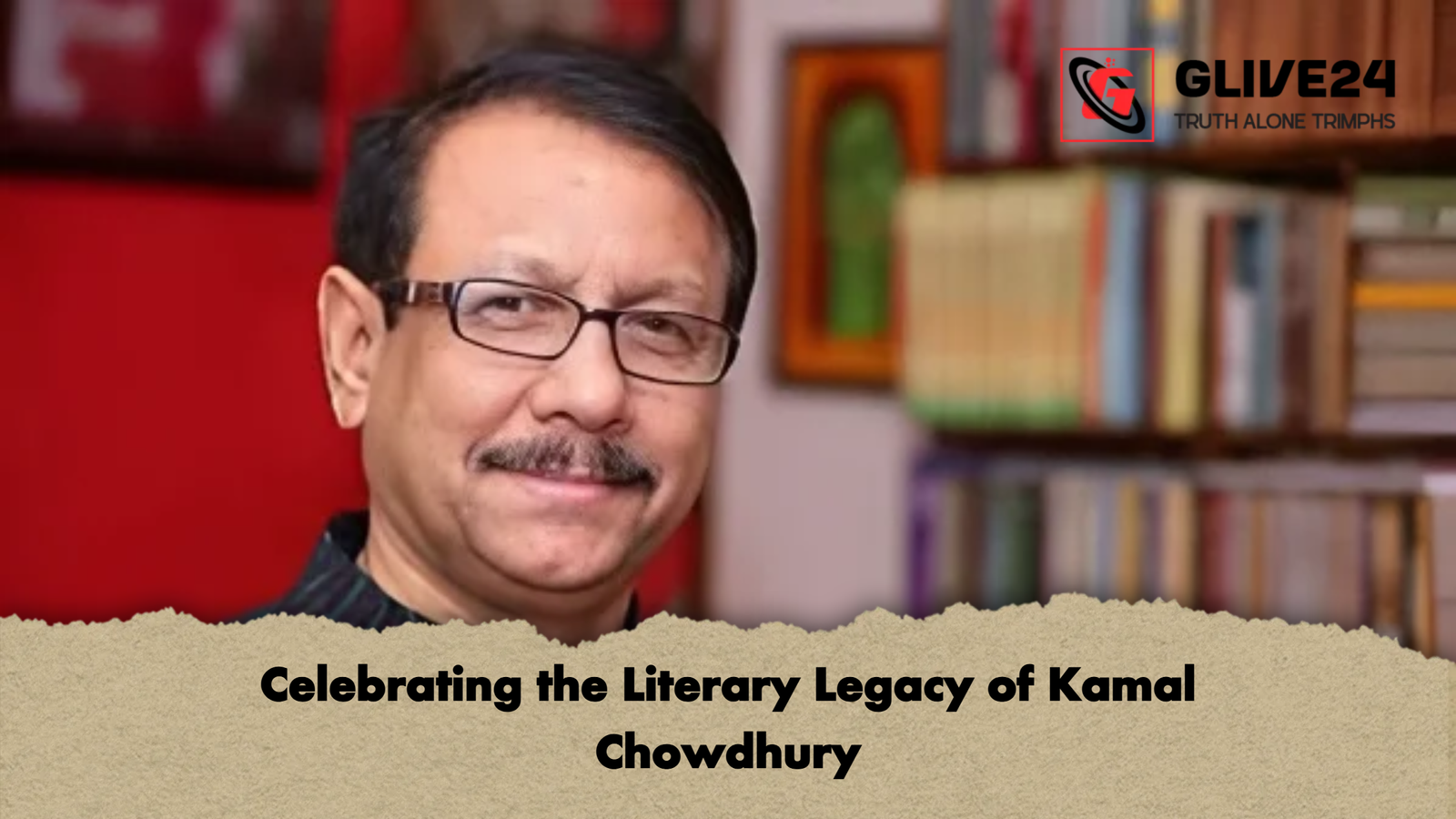
Today, 28 January, marks the birthday of one of contemporary Bengali literature’s most luminous voices, poet and lyricist Kamal Chowdhury. His contributions to the Bengali language and culture are manifold, spanning poetry, songwriting, research, and statecraft. Through his diverse work, he has profoundly enriched the nation’s literary and cultural landscape.
Kamal Abdul Naser Chowdhury was born on 28 January 1957 in Bijoykara village, Chauddagram Upazila, Comilla. He pursued higher education in social sciences, earning a master’s degree, and later completed a PhD in anthropology. This academic foundation has imbued his poetry and prose with a reflective and analytical lens, exploring society, humanity, and governance with depth and nuance.
Since the 1970s, Kamal Chowdhury has been an active voice in poetry. Following the assassination of Sheikh Mujibur Rahman, he emerged as one of the first poets to articulate protest and dissent. His debut poetry collection, Michiler Saman Boyoshi (Of the Same Age as the Procession), was published in 1981. Since then, his oeuvre has grown to encompass nearly thirty publications, including poetry, essays, research, editorial work, and literature for young readers.
His literary contributions have been widely recognised. In 2011, he received the prestigious Bangla Academy Literary Award, and in 2022, he was honoured with the Ekushey Padak by the Government of Bangladesh for his services to language and culture. In addition, he has received numerous national and international accolades, including the Rudra Medal, Souhardya Award (West Bengal), Kabitalap Literary Award, Jibanananda Prize, and Khalekdad Chowdhury Literary Award.
As a lyricist, Kamal Chowdhury has left an indelible mark on Bangladeshi music. In 2019, he was awarded both the National Film Award and the Ekattor–Channel i Music Award for Best Lyricist. Notably, he penned the national theme song Tumi Banglar Dhrubotara during Mujib Year, cementing his place in the cultural history of Bangladesh.
Professionally, Chowdhury served as a senior civil servant in Bangladesh, holding pivotal positions including advisor on education and culture, Principal Secretary to the Prime Minister, and Bangladesh’s representative on UNESCO’s Executive Board. He also played a leading role as Chief Coordinator of the National Implementation Committee for the Birth Centenary Celebrations of Bangabandhu Sheikh Mujibur Rahman.
Below is a summary of his major awards and honours:
| Award / Honour | Year | Distinction |
|---|---|---|
| Bangla Academy Literary Award | 2011 | Outstanding contribution to literature |
| Ekushey Padak | 2022 | Recognition of contributions to language and culture |
| National Film Award | 2019 | Best Lyricist |
| Ekattor–Channel i Music Award | 2019 | Best Lyricist |
| Rudra Medal | – | Contribution to literature and culture |
| Souhardya Award (West Bengal) | – | International recognition |
| Jibanananda Prize | – | Excellence in poetry and literature |
| Khalekdad Chowdhury Literary Award | – | Literary achievement |
On this special day, heartfelt wishes are extended to Kamal Chowdhury. May his health, longevity, and creative brilliance continue to illuminate the Bengali language and culture for generations to come.


Comments