Bangladesh’s foreign exchange market continues to reflect the country’s growing engagement in global trade and the steady inflow of remittances from millions of expatriate workers. As international transactions expand and overseas earnings remain a key pillar of the national economy, exchange rates play a crucial role in shaping import costs, export competitiveness, and household remittance values.
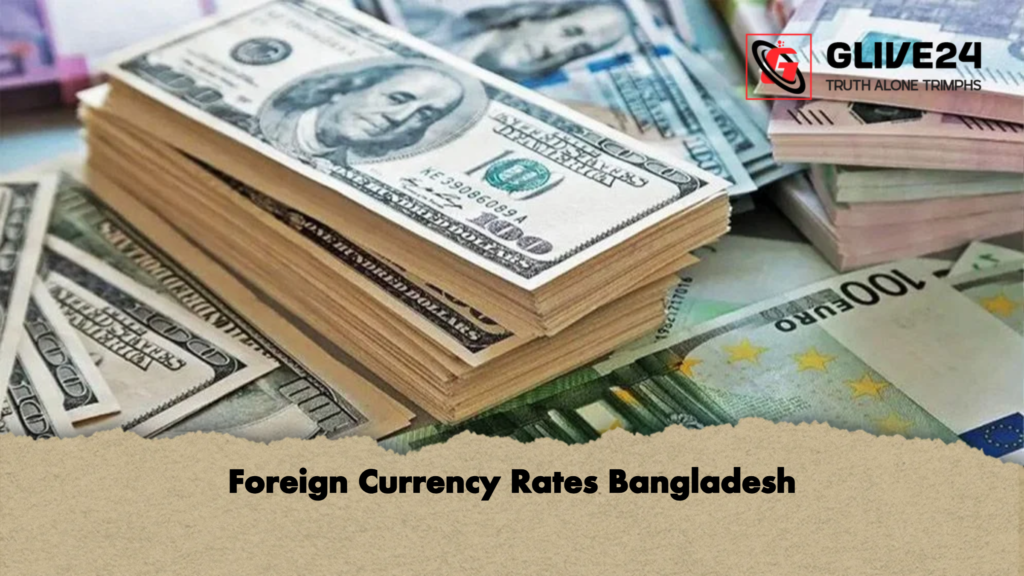
According to data released by Bangladesh Bank, the exchange rates on Saturday, 16 May 2026, indicate relatively stable movements across major global currencies. The US dollar, which remains the dominant currency for international trade settlements and remittance transfers, is being traded at 122.75 Bangladeshi taka for both buying and selling. This reflects a period of steadiness in the dollar–taka exchange corridor, offering predictability for importers and remittance recipients alike.
The euro and British pound sterling also maintain firm positions against the taka, with only marginal differences between buying and selling rates. Other currencies, including the Japanese yen, Australian dollar, Singapore dollar, Canadian dollar, Indian rupee, and Saudi riyal, continue to follow similarly stable trends, with minor fluctuations that are typical in daily interbank adjustments.
Economists note that such stability is important for maintaining inflation control and supporting trade planning, particularly for businesses reliant on imported raw materials and machinery. Meanwhile, remittance inflows from the Middle East, Europe, and North America continue to provide essential foreign currency reserves for Bangladesh, helping to balance external accounts.
Exchange Rates (16 May 2026)
| Currency | Buying Rate (BDT) | Selling Rate (BDT) |
|---|---|---|
| US Dollar | 122.75 | 122.75 |
| British Pound | 165.98 | 166.00 |
| Euro | 143.74 | 143.75 |
| Japanese Yen | 0.78 | 0.78 |
| Australian Dollar | 89.09 | 89.10 |
| Singapore Dollar | 96.41 | 96.47 |
| Canadian Dollar | 89.53 | 89.57 |
| Indian Rupee | 1.28 | 1.28 |
| Saudi Riyal | 32.55 | 32.56 |
Market analysts emphasise that exchange rates may vary slightly across commercial banks and authorised foreign exchange dealers depending on transaction volume and timing. As global economic conditions continue to shift, particularly in response to interest rate policies in major economies, Bangladesh’s currency market is expected to remain closely monitored by both policymakers and traders.
Overall, the current exchange rate environment suggests a relatively calm foreign exchange landscape, offering a degree of certainty for businesses, travellers, and the large expatriate community contributing to the country’s economic resilience.