
Khabor Wala Desk
Published: 1st July 2026, 7:55 PM
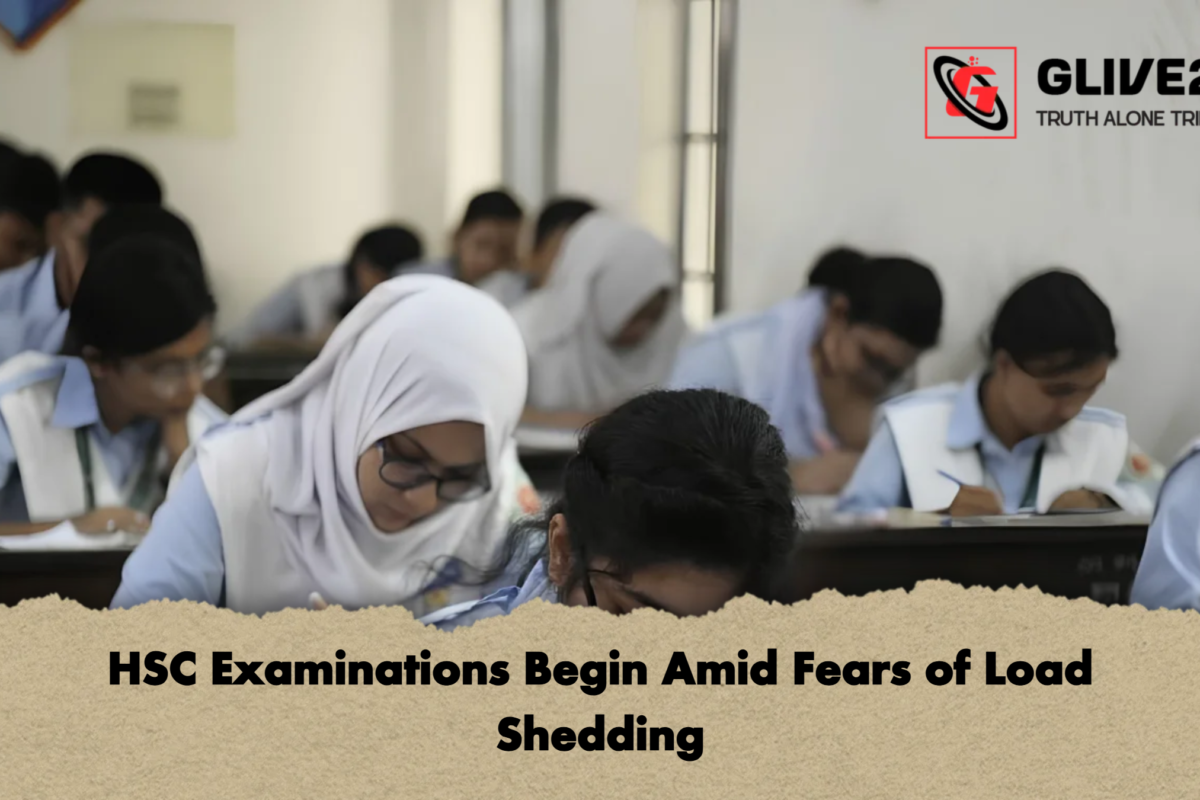
More than 1.25 million students across Bangladesh are set to sit their Higher Secondary Certificate (HSC) and equivalent examinations tomorrow, 2 July. Administered across 11 education boards, this crucial academic milestone will take place simultaneously across 2,797 examination centres nationwide. Coinciding with this, secondary schools are also commencing their second terminal examinations. However, the academic significance of the event has been overshadowed by widespread parental and student anxiety regarding severe electricity shortages and an unyielding heatwave.
The lead-up to the examinations has been marred by a massive power supply deficit. Data from the power sector reveals that the national electricity shortage reached 2,799 megawatts at midnight on 28 June, peaking further at 2,828 megawatts in the early hours of 29 June. Though the deficit narrowed slightly during daylight hours, load-shedding surged again in the evenings, hovering between 500 and 1,200 megawatts. By the morning of 30 June, the shortfall fluctuated between 100 and 480 megawatts, subjecting the capital and regional areas to frequent power disruptions.
While the government previously achieved near-total electrification, students heavily reliant on stable power for nighttime revision are now facing prolonged blackouts. Unlike the Secondary School Certificate (SSC) examinations, which are held during cooler months, the HSC routinely takes place during the peak of summer. Despite the critical timing, the Power Division has not issued any specific directives to prioritise examination centres or residential areas during the assessment period. An official from the Power Division, speaking anonymously, stated that no special protocols are in place, though general efforts are being made to stabilize the grid.
The lack of continuous electricity has severely disrupted final preparations, particularly in rural and semi-urban areas. When the power cuts out after dark, students are left to study by candlelight or rechargeable lamps in suffocating indoor temperatures. Parents have raised concerns that these conditions will not only affect preparation but may also impact physical health on the day of the exams.
Anik Hasan, a candidate from Jessore, described the situation as highly stressful, noting that the combination of intense heat and unpredictable blackouts makes it incredibly difficult to revise. Similar complaints were echoed by Rasheda Begum, a parent from Chattogram, who observed that her son could not concentrate for long periods because the humid conditions became unbearable the moment the fans stopped.
Compounding the power crisis is an unseasonably oppressive weather pattern. The Bangladesh Meteorological Department noted that whilst parts of the country have experienced rainfall, it has done little to lower temperatures. High levels of atmospheric moisture mean that the heat index remains exceptionally high, creating damp, muggy conditions across the country.
According to meteorologist Toriful Newaz, the current rainfall originates from a relatively low and thin layer of cloud cover. Consequently, the rainwater itself is not cool enough to change the ambient temperature. These isolated showers are actually increasing humidity levels, worsening the discomfort rather than offering relief. Although a more extensive and sustained spell of rain is projected to begin around 2 July—potentially lowering temperatures slightly—candidates must navigate the initial and most critical phase of their examinations under highly challenging conditions.



Comments