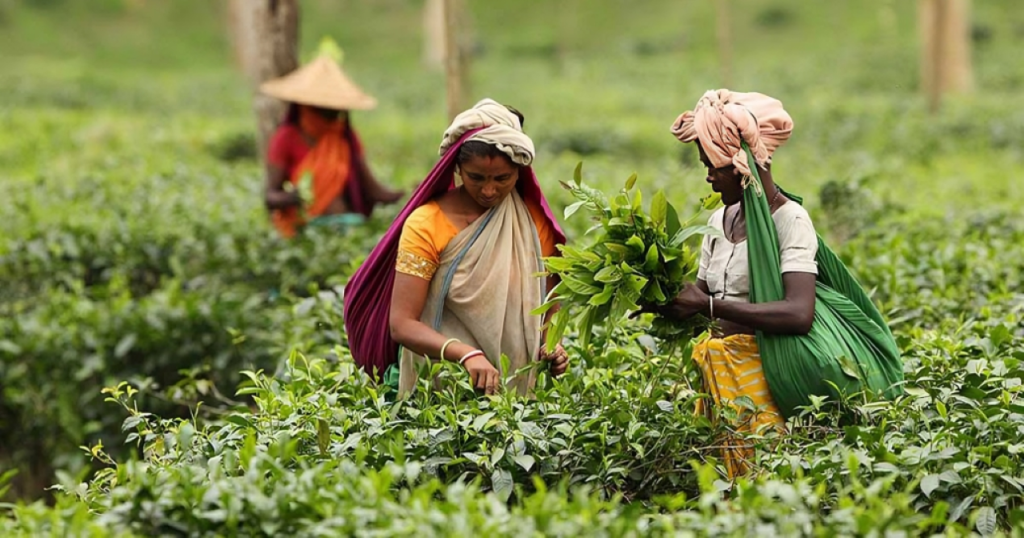
In response to Prime Minister Sheikh Hasina’s call, tea garden workers have returned to their workplaces after their daily wage was increased from Taka 120 to Taka 170. This development follows a 19-day demonstration demanding a wage hike. The decision was finalised during a meeting between the Prime Minister and tea estate owners at her official residence, Ganabhaban, on Saturday evening.
Table of Contents
Revised Wage Structure and Benefits
The new agreement not only increases the daily wage but also enhances several other benefits for tea workers, including:
| Benefit Category | Previous Provision | Revised Provision |
|---|---|---|
| Daily Wage | Taka 120 | Taka 170 |
| Plucking Bonus | Standard Rate | Increased Proportionally |
| Factory Right Work Income | Limited Scope | Increased Scope |
| Annual Leave Allowance | Basic Rate | Increased Proportionally |
| Festival Leave with Pay | Standard | Extended Scope |
| Sick Leave | Basic Provision | Enhanced Provision |
| Employer’s Contribution to Provident Fund | Standard | Increased Contribution |
| Annual Festival Allowance | Standard Rate | Increased Proportionally |
Celebrations and Worker Reactions
Tea workers across various gardens expressed their gratitude towards the Prime Minister, considering her intervention as a significant step in improving their working conditions. Workers from 24 tea estates in Habiganj celebrated by organising joyous processions, distributing sweets, and performing traditional dances and songs.
Despite Sunday being a weekly holiday for tea workers, some employees from estates such as Foyzabad showed their respect for the Prime Minister by reporting to their workplaces, albeit without engaging in active work. Full operations are set to resume from Monday.
Voices from the Tea Gardens
Several leaders of tea workers’ associations and Panchayet committees praised the Prime Minister’s efforts:
- Rabindra Goura, President of Laskarpur Valley Tea Workers’ Association, stated, “The Prime Minister has always shown kindness towards us. We hope further issues can be addressed if she meets directly with tea workers.”
- Khokan Tnati, President of Teliapara Tea Garden Panchayet, Madhabpur Upazila, remarked, “Sheikh Hasina is like a mother to us. We are grateful for her decision.”
- Premlal Ahir, President of Dargaon Panchayet, Chunarughat Upazila, said, “Our gratitude towards the Prime Minister is immense. This wage revision has made our workers very happy.”
- Nipen Chasha, President of Rashidpur Tea Garden Panchayet, added, “Sunday was a day of celebration. We are ready to return to work from Monday with new hope.”
Background: The Wage Dispute
The wage movement began on 9 August, when workers from 231 tea estates nationwide launched demonstrations demanding an increase to Taka 300 per day. As part of their protest, they declared an indefinite strike from 13 August.
A breakthrough was initially reached on 20 August, when their wage was raised to Taka 145 following negotiations at the Sreemangal Labour Office. However, workers rejected this amount and continued their demonstrations, reaffirming their demand for Taka 300. The resolution finally came with the Prime Minister’s intervention, leading to the current wage of Taka 170.
The Role of the Prime Minister
Acting General Secretary of the Tea Workers’ Union, Nripen Pal, highlighted the historical context of the workers’ struggles:
“Sheikh Hasina is our last hope. Her father, Bangabandhu Sheikh Mujibur Rahman, granted us the right to vote. She has again proven her dedication by addressing our concerns.”
Looking Forward
The revised wage structure, along with the enhanced benefits, marks a crucial step towards better working conditions for tea workers. While the resolution has brought relief and celebration, workers and their representatives remain hopeful that further dialogues with the government will continue to address their needs.
With normalcy restored, Bangladesh’s tea industry is expected to resume full productivity, ensuring a steady supply of one of the nation’s key agricultural exports.