
Khabor Wala Desk
Published: 6th January 2026, 3:57 AM
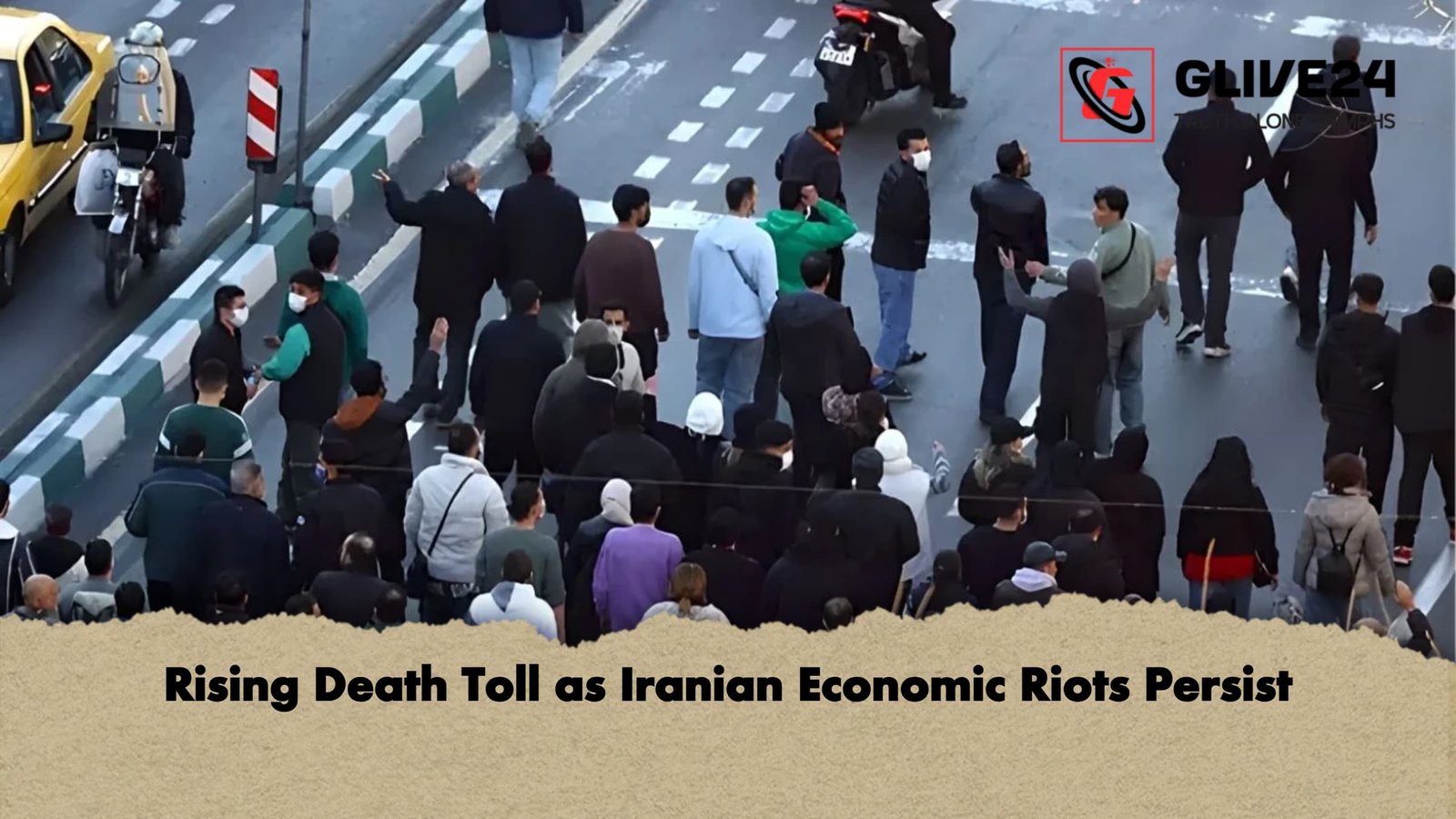
A wave of domestic instability continues to sweep through the Islamic Republic as anti-government demonstrations enter their second week, fueled by a devastating cost-of-living crisis. The unrest, which initially flared up following a coordinated shopkeepers’ strike in the capital, has since expanded into a multi-city confrontation between disillusioned citizens and state security forces. Reports from the Human Rights Activists News Agency (HRANA) indicate that the violence has claimed at least twelve lives to date, with at least 582 individuals taken into custody as the regime attempts to stifle the dissent.
The demonstrations have been particularly concentrated in the western regions of the country, predominantly within Kurdish and Luri ethnic enclaves. However, the geographical reach of the movement is significant; Agence France-Presse (AFP) estimates that the disturbances have permeated 23 of Iran’s 31 provinces, affecting approximately 40 separate towns and cities. On Sunday night, the streets of Shiraz and Tehran echoed with slogans demanding the dismantling of the current clerical leadership, a bold escalation that suggests the public’s frustrations extend far beyond simple inflationary concerns.
This surge in civil unrest presents a formidable challenge to the 86-year-old Supreme Leader, Ayatollah Ali Khamenei. His administration is already reeling from a series of security failures following a brief but intense conflict with Israel last June, which reportedly crippled vital nuclear sites. In a desperate bid to pacify the populace, government officials have proposed a modest financial aid package—amounting to roughly seven dollars per month—yet the gesture appears to have done little to quell the anger of those struggling with double-digit inflation.
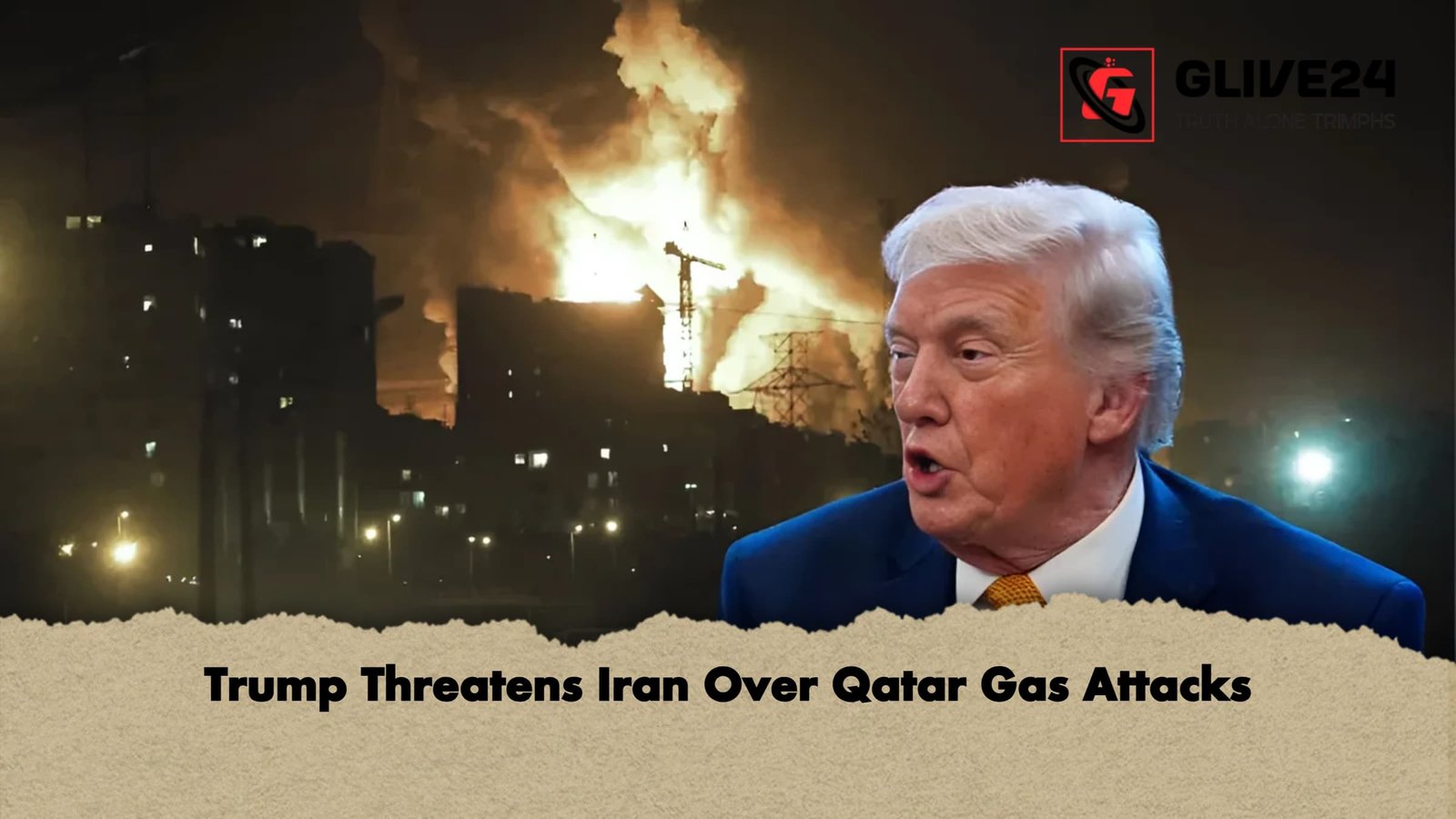
The international community has begun to respond to the unfolding crisis with increasing alarm. From the cabin of Air Force One, US President Donald Trump issued a blunt ultimatum to the Iranian authorities, warning that the United States would initiate a “strong reaction” if the regime resorted to the lethal crackdowns that characterised previous uprisings. As the situation remains fluid, the global gaze is fixed on whether this movement will evolve into a nationwide revolution similar to the 2022 protests or be suppressed by the weight of state force.
| Category | Statistical Details |
| Confirmed Deaths | 12 (Civilians and Security Personnel) |
| Total Injuries | 30 Reported |
| Documented Arrests | 582 Individuals |
| Provincial Spread | 23 out of 31 Provinces Affected |
| Urban Impact | 40 Cities with Active Demonstrations |
| US Stance | Threatened “Strong Response” to further killings |
| Government Relief | $7 Monthly Allowance for 4 Months |

Comments