Khabor Wala Desk
Published: 4th June 2026, 6:58 PM
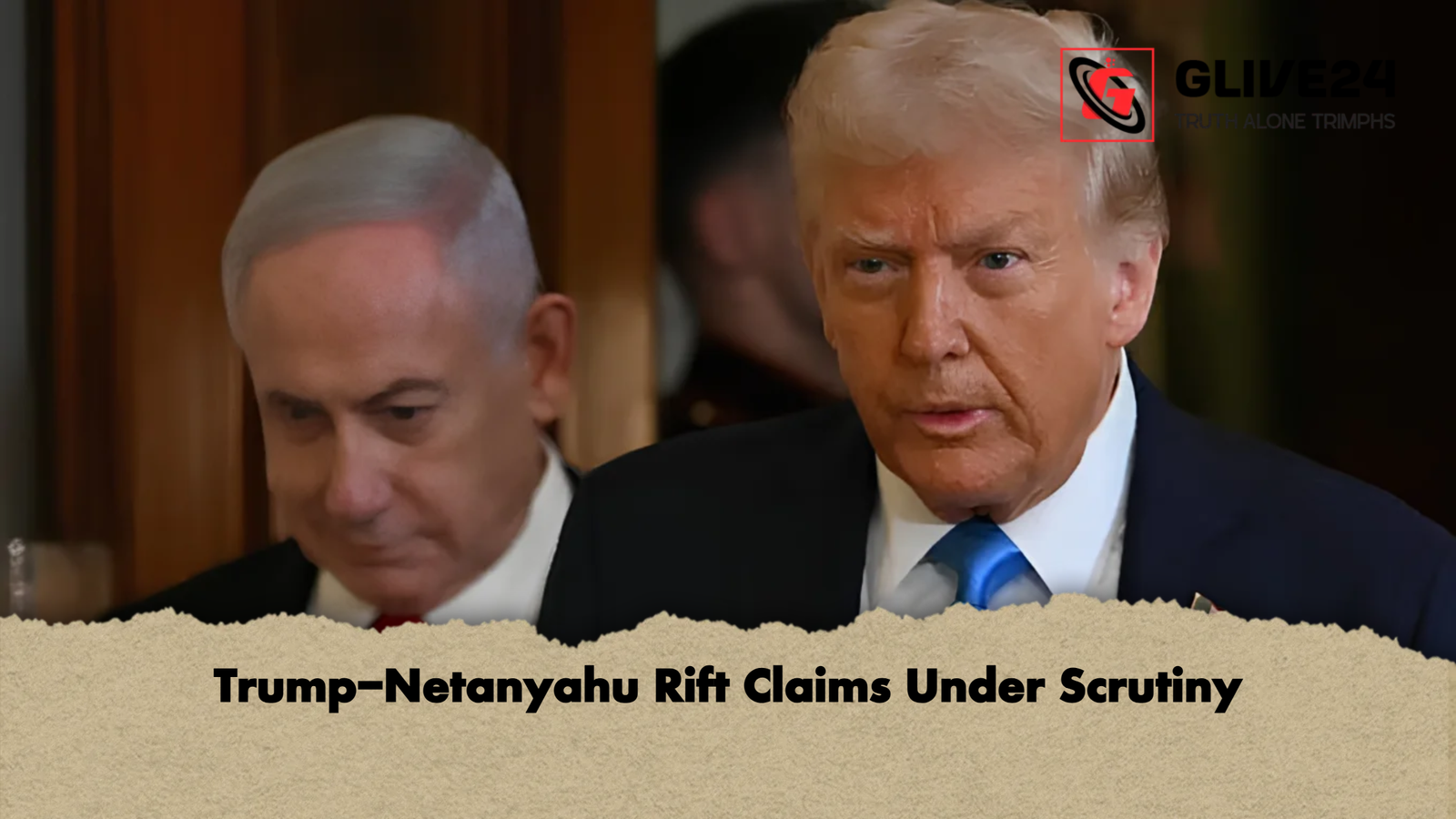
Reports concerning tensions between U.S. President Donald Trump and Israeli Prime Minister Benjamin Netanyahu have circulated in international media, but officials and analysts continue to debate whether these accounts reflect substantive policy divisions or remain largely anecdotal in nature.
In January 2024, an article by Axios suggested that then-U.S. President Joe Biden was losing patience with Netanyahu amid the ongoing Gaza conflict. The report emerged during a period of sustained Israeli military operations in Gaza, which had already lasted several months. The United States’ continued support for Israel during this period drew significant criticism of the Biden administration.
Despite Biden remaining in office at the time, the conflict did not cease. According to subsequent reporting, violence continued into the first 10 months of Donald Trump’s second term. During this period, multiple media outlets described alleged disagreements and tense telephone conversations between Trump and Netanyahu, often citing unnamed officials. However, these reports were not accompanied by any observable change in official U.S. policy toward Israel.
A more recent report by Axios claimed that Trump privately referred to Netanyahu as “crazy” during discussions and criticised him over intensified Israeli military activity in Lebanon. This reporting coincided with an Israeli strike in southern Lebanon’s Al-Marwaniyah area, which reportedly killed six people, including two children.
| Date/Period | Reported event | Source reference |
|---|---|---|
| Jan 2024 | Biden reportedly losing patience with Netanyahu | Axios |
| Late Biden term | Continued Gaza conflict despite diplomatic pressure | Multiple media reports |
| First 10 months of Trump second term | Reports of Trump-Netanyahu tensions and calls | Various unnamed officials |
| Recent period | Claim Trump called Netanyahu “crazy” | Axios |
Experts argue that even when such alleged disputes are reported, they rarely translate into substantive policy shifts. Ryan Costello, policy director at the National Iranian American Council Action, stated that media accounts of presidential frustration with Netanyahu have become so frequent that they are often treated with scepticism in political analysis. He added that unless policy changes are evident, such reports carry limited significance.
Isabelle Hsieh-Liep of the advocacy organisation Dawn noted that U.S. policy continues to align closely with Israeli strategic interests. She argued that despite portrayals of internal friction, Netanyahu continues to achieve core objectives in practice.
In contrast, analysts such as Negar Mortazavi of the Center for International Policy suggest that some of these reports may serve broader political messaging purposes. She has argued that leaks about heated calls could be intended to shape public perception, particularly to signal U.S. dissatisfaction while maintaining existing strategic alignment.
The reports also emerge alongside wider regional developments. According to the article, the United States and Israel have maintained close coordination during the Iran conflict, which has included military escalation and heightened regional tensions. Critics argue that U.S. support, including extensive military assistance to Israel since October 2023, has enabled continued military operations in Gaza and the broader region.
Media reporting on alleged presidential frustration with Netanyahu has appeared across multiple administrations, including both Biden and Trump. However, analysts note that similar narratives have persisted without clear changes in diplomatic or military policy.
Some researchers describe this pattern as part of broader “information warfare,” in which selective leaks and partial disclosures are used to influence public perception. Mortazavi has characterised the current environment as one where competing narratives, misinformation, and strategic disclosures intersect with ongoing military and diplomatic developments.
citing unnamed officials and analysts. The outlet noted that despite reported tensions, the United States and Israel continue to coordinate closely on regional security issues.
Overall, while media reports frequently highlight alleged disputes between Trump and Netanyahu, available evidence suggests that U.S. policy toward Israel has remained broadly consistent, with limited indication that personal disagreements have altered strategic alignment.




Comments