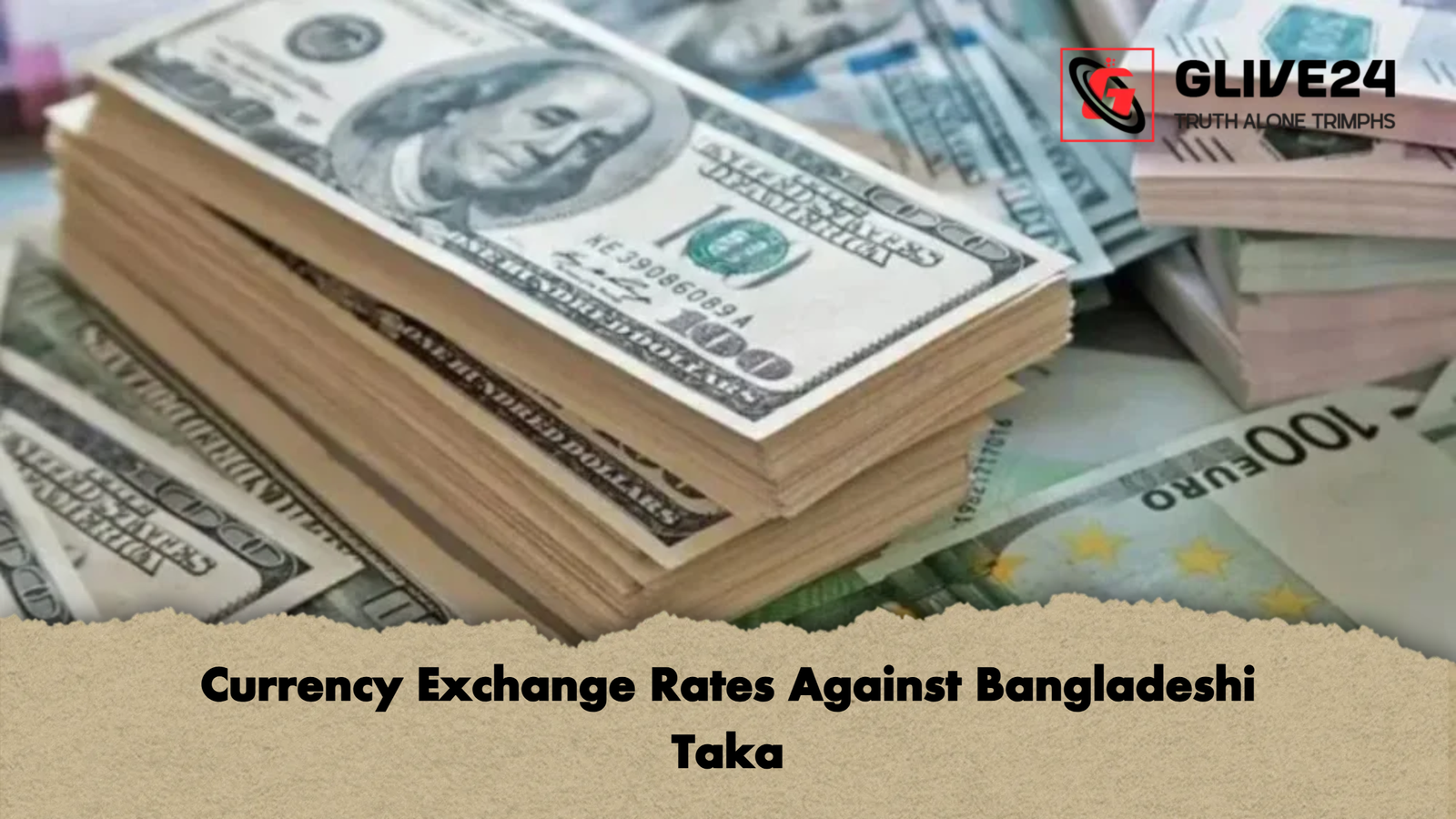
Bangladesh continues to experience a steady rise in international economic engagement, driven by expanding trade relations and a large overseas workforce exceeding one crore (ten million) Bangladeshi expatriates residing across various countries. Remittances sent by these expatriates, along with increasing import-export activity, play a crucial role in strengthening the national economy and directly influence demand in the foreign exchange market.
As a result, daily currency exchange rates remain an important reference for businesses, travellers, importers, exporters, and remittance recipients. These rates fluctuate frequently depending on global market conditions, demand and supply of foreign currencies, and broader macroeconomic factors such as inflation, interest rates, and geopolitical developments.
On Tuesday (2 June), the latest indicative exchange rates against the Bangladeshi Taka were recorded as follows for major global currencies. These figures represent buying and selling rates commonly used in local foreign exchange transactions.
| Currency | Buying Rate (BDT) | Selling Rate (BDT) |
|---|---|---|
| US Dollar | 122.20 | 123.20 |
| Euro | 140.36 | 145.23 |
| British Pound | 162.65 | 167.72 |
| Japanese Yen | 0.76 | 0.78 |
| Singapore Dollar | 95.19 | 96.76 |
| UAE Dirham | 33.26 | 33.55 |
| Australian Dollar | 86.85 | 88.85 |
| Swiss Franc | 153.98 | 158.11 |
| Saudi Riyal | 32.54 | 32.85 |
| Chinese Yuan | 17.96 | 18.33 |
| Indian Rupee | 1.28 | 1.30 |
Market analysts note that the US Dollar continues to remain the dominant benchmark currency in Bangladesh’s foreign exchange system, influencing pricing for imports, particularly fuel, machinery, and essential commodities. Similarly, currencies such as the Euro and British Pound maintain higher exchange values due to their strength in global markets.
Remittance inflows from the Middle East, especially in Saudi Riyal and UAE Dirham, also significantly affect daily currency circulation in Bangladesh. These inflows help stabilise foreign reserves and support household incomes in many rural and semi-urban areas.
It is important to note that exchange rates are subject to continuous change. Banks and authorised foreign exchange houses may adjust rates throughout the day depending on market conditions, liquidity, and international currency movements. Therefore, the above figures should be considered indicative rather than fixed.
Overall, foreign exchange trends remain a key indicator of Bangladesh’s economic connectivity with the global financial system, reflecting both domestic demand pressures and international economic dynamics.
> Three Young Men Killed in Rajshahi Highway Crash
> Three More Children Die With Measles Symptoms
> Abdur Razzaq: Architect of Bangladesh’s Democratic Struggle
> Remembering Mohammed Rafi: The Immortal Voice of Indian Cinema
> Jamaat Leader Arrested Over Child Harassment Allegation
> Remembering Legendary Playback Icon Mohammed Rafi
> Aruna Biswas Celebrates Remarkable Artistic Legacy
> Pubali Bank Climbs to Second in Half-Year Profit
> Two Awami League Leaders Arrested Over Past Attacks in Bogura
> Iran launches new strikes against Kurdish groups in Iraq
> Wife Arrested After Severing Sleeping Husband’s Genitals
> Two Arrested With Tapentadol
> ‘Broiler Chicken Party’ Emerges Amid Student Protests
> Fakhar Zaman Receives Two-Match Ban for Tampering
> Club Goal Rankings in World Cup History
> The Psychology and Philosophy of Unwarranted Defamation
> Neymar Sparks 2030 World Cup Speculation After Brazil Exit
সম্পাদক ও প্রকাশক: এ বি এম জাকিরুল হক টিটন
যোগাযোগের ঠিকানাঃ পশ্চিম কাফরুল, বেগম রোকেয়া সরণি, ঢাকা
© Copyright 2026 Khaborwala। All Rights Reserved


Comments