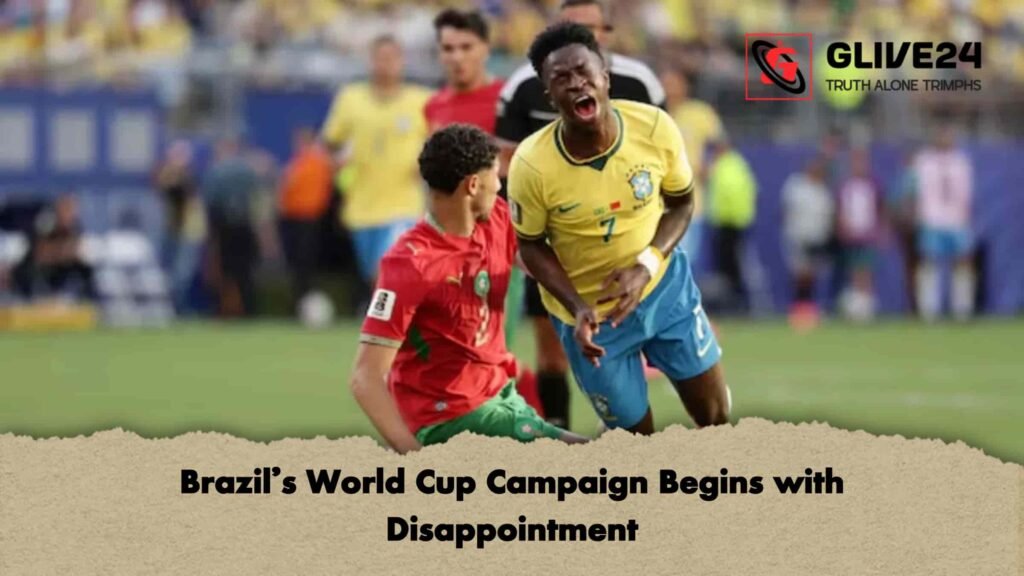
Brazil manager Carlo Ancelotti has openly acknowledged his side’s deficient start to their 2026 World Cup campaign following a 1-1 draw against Morocco. The Group C encounter at the MetLife Stadium in New Jersey saw the South American team concede the opening goal to Moroccan attacking midfielder Ismael Saibari in the 21st minute, before Vinícius Júnior restored parity 11 minutes later in the 32nd minute.
Post-Match Analysis and Tactical Criticisms
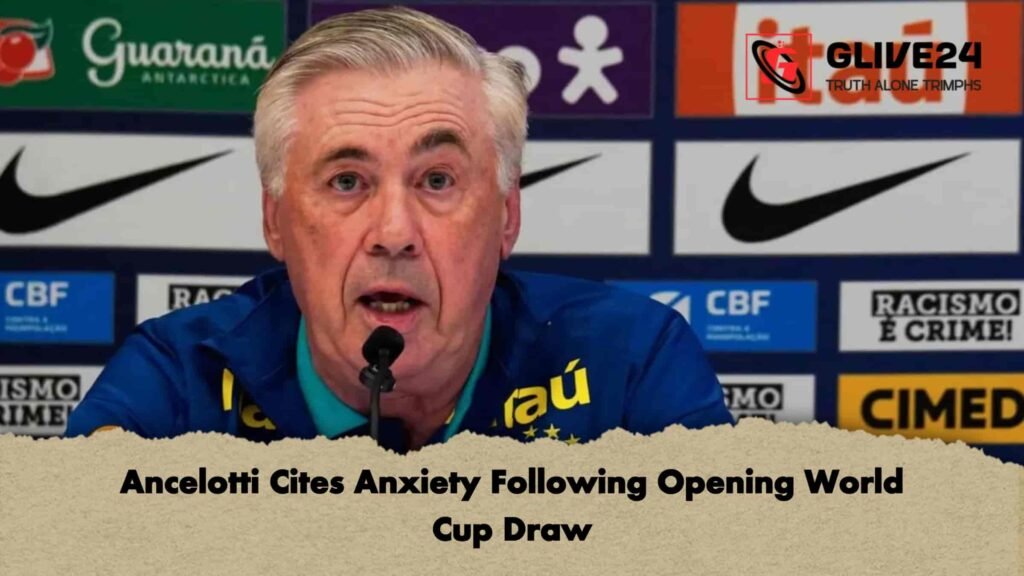
Reflecting on the performance, Ancelotti—the first foreign manager to take charge of the Brazilian national football team—identified emotional and technical shortcomings in his squad’s display.
“I think our start was not good; the team was somewhat anxious,” Ancelotti noted. “As a consequence, we lost possession and were defeated in many individual duels. The first half was not good, though it improved slightly in the second half. It was a difficult match because Morocco are a very good team.”
The veteran Italian coach emphasised that his players operated under significant pressure, stating that managing this early anxiety would have allowed them to establish control and pose a greater threat to the opposition. Whilst expressing self-criticism regarding the performance, Ancelotti remained pragmatic about the result, noting that while he expected a better opening, the competitive standard of Morocco made the draw acceptable.
Key Match Data and Schedule
| Aspect | Details |
| Match Score | Brazil 1–1 Morocco |
| Stadium Venue | MetLife Stadium, New Jersey |
| Morocco Scorer | Ismael Saibari (21st Minute) |
| Brazil Scorer | Vinícius Júnior (32nd Minute) |
| Next Match | Brazil vs Haiti (20 June, Morning) |
| Tournament Group | Group C |
Plans for Strategic Rectification
During the post-match press conference, Ancelotti outlined his immediate intentions to address the team’s imbalances prior to their second group fixture against Haiti on the morning of 20 June. He stressed that the team must not lose confidence, as tournament outcomes are rarely decided in the opening fixture.
Ancelotti conceded that the tactical formulas implemented during Brazil’s two preceding friendly matches failed to yield results during the first half. He identified a clear need to restore structural equilibrium and to enhance the offensive threat of the forward line. Additionally, the manager highlighted the importance of tactical substitutions, reiterating that the starting eleven would not finish the game alone and that bench options must be fully utilised to navigate structural problems.
Despite the collective struggles, Ancelotti commended the individual contribution of Vinícius Júnior, whose equalising goal averted a defeat. Having managed the winger for an extended period, the head coach praised his dangerous attacking qualities and voiced absolute certainty that the player is poised for an excellent World Cup tournament.