Khabor Wala Desk
Published: 14th June 2026, 3:38 PM
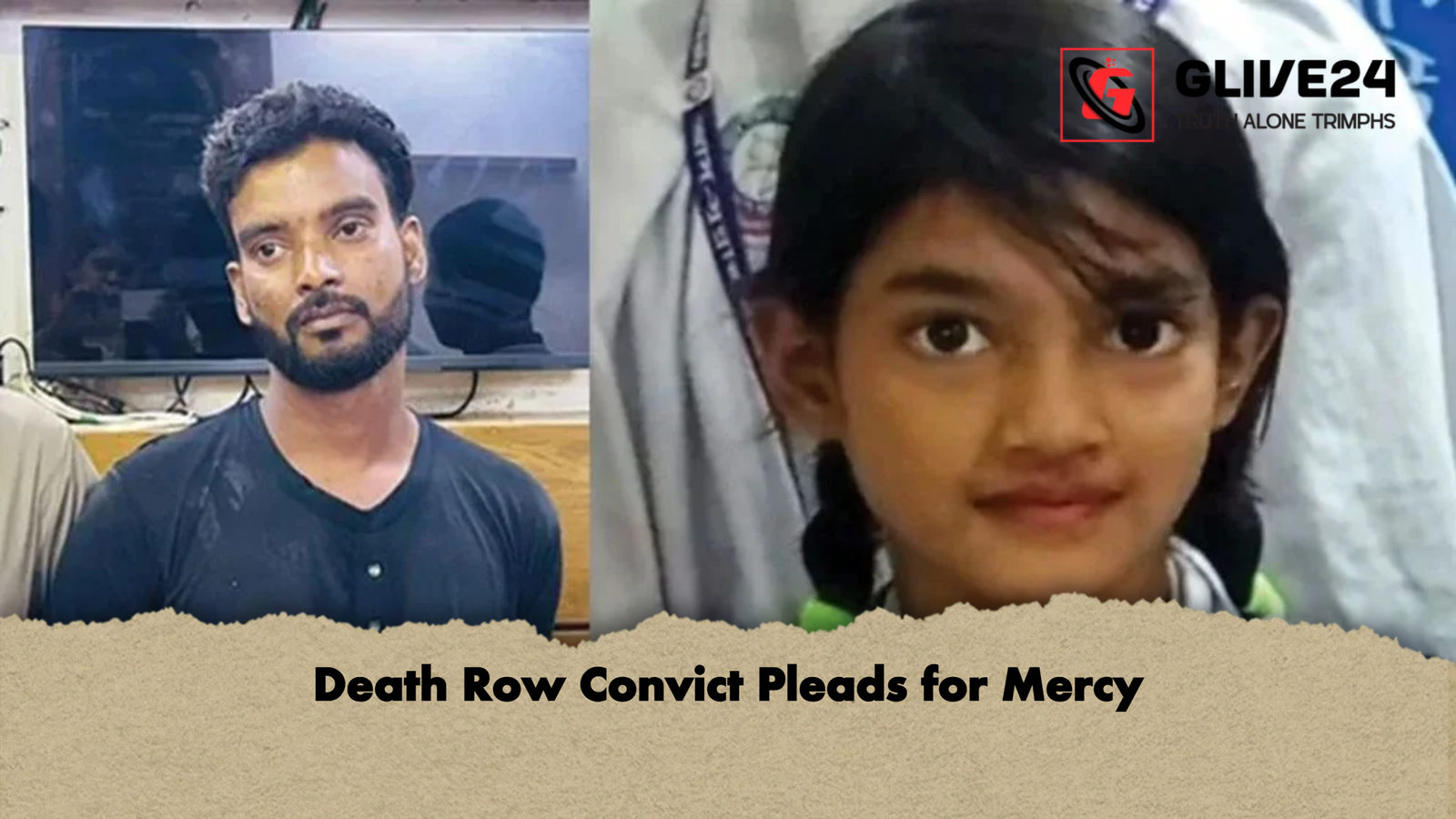
In the widely discussed child rape and murder case involving young Ramisa in Dhaka’s Pallabi area, death-row convict Sohel Rana has formally admitted his guilt in a jail appeal before the High Court and sought clemency, arguing that prolonged drug addiction, financial hardship and severe family instability contributed to the commission of the crime.
According to the appeal accepted for hearing on Sunday, Sohel Rana told the court that he had worked as a mechanic at an autorickshaw garage and had been addicted to yaba and other narcotics for an extended period. He claimed that his addiction frequently led to domestic disputes and emotional instability, ultimately culminating in the tragic incident. He further stated that he had no prior criminal record and was under the influence of drugs when the offence occurred.
In his submission, the condemned prisoner expressed remorse for his actions and asked the court to consider the circumstances of his family. He stated that there was no one else capable of supporting his household and appealed for a reduction of his sentence, citing the future welfare of his only child. Whether these arguments will influence the court’s decision remains subject to judicial scrutiny during the appellate proceedings.
By contrast, Sohel Rana’s wife and co-convict, Swapna Akter, has maintained her innocence throughout the legal process. In her own jail appeal, she sought acquittal, asserting that she had no involvement in the crime and had been wrongly implicated. The High Court has accepted both appeals for hearing, bringing the case into the stage of appellate judicial review.
The appeals were submitted to the High Court through prison authorities on 11 June. Their acceptance for hearing marks the beginning of a detailed examination of both the convictions and the sentences imposed by the trial court. During this process, the High Court may review evidence, witness testimonies, procedural matters and legal arguments presented during the original trial.
The case generated widespread public attention across Bangladesh and became one of the most closely watched incidents involving violence against a child. Court documents indicate that on 19 May, Ramisa, a second-grade pupil, disappeared after leaving her home in a residential area of Pallabi. Investigators later alleged that she had been lured into a neighbouring flat. Concerned family members searched for her and eventually entered the apartment under suspicious circumstances, where they discovered the child’s body.
Following the incident, police detained Swapna Akter at the scene. Using technological and intelligence-based investigative methods, officers later arrested Sohel Rana in the Fatullah area of Narayanganj. Investigators subsequently completed the inquiry and submitted a charge sheet within a short period, allowing the case to proceed rapidly through the judicial system.
| Date | Development |
|---|---|
| 19 May | Ramisa disappeared and was later found dead |
| 20 May | Case filed with Pallabi Police Station |
| 24 May | Investigation completed and charge sheet submitted |
| 1 June | Charges framed and trial formally commenced |
| 2 June | Witness testimony began |
| 3 June | Defendants presented their statements |
| 4 June | Closing arguments concluded |
| 7 June | Verdict delivered |
| 11 June | Jail appeals filed before the High Court |
| 14 June | Appeals accepted for hearing |
Legal observers have noted the unusually swift progression of both the investigation and trial, factors that contributed significantly to the public profile of the case. The appellate proceedings will now provide an opportunity for the High Court to reassess various aspects of the convictions, including evidentiary findings, legal interpretations and sentencing decisions.
The eventual ruling of the High Court will determine the next phase of the legal process. Depending on the outcome, the convictions and sentences may be upheld, modified or subjected to further judicial review in accordance with Bangladesh’s criminal justice framework.


Comments