Khabor Wala Desk
Published: 31st May 2026, 1:29 PM
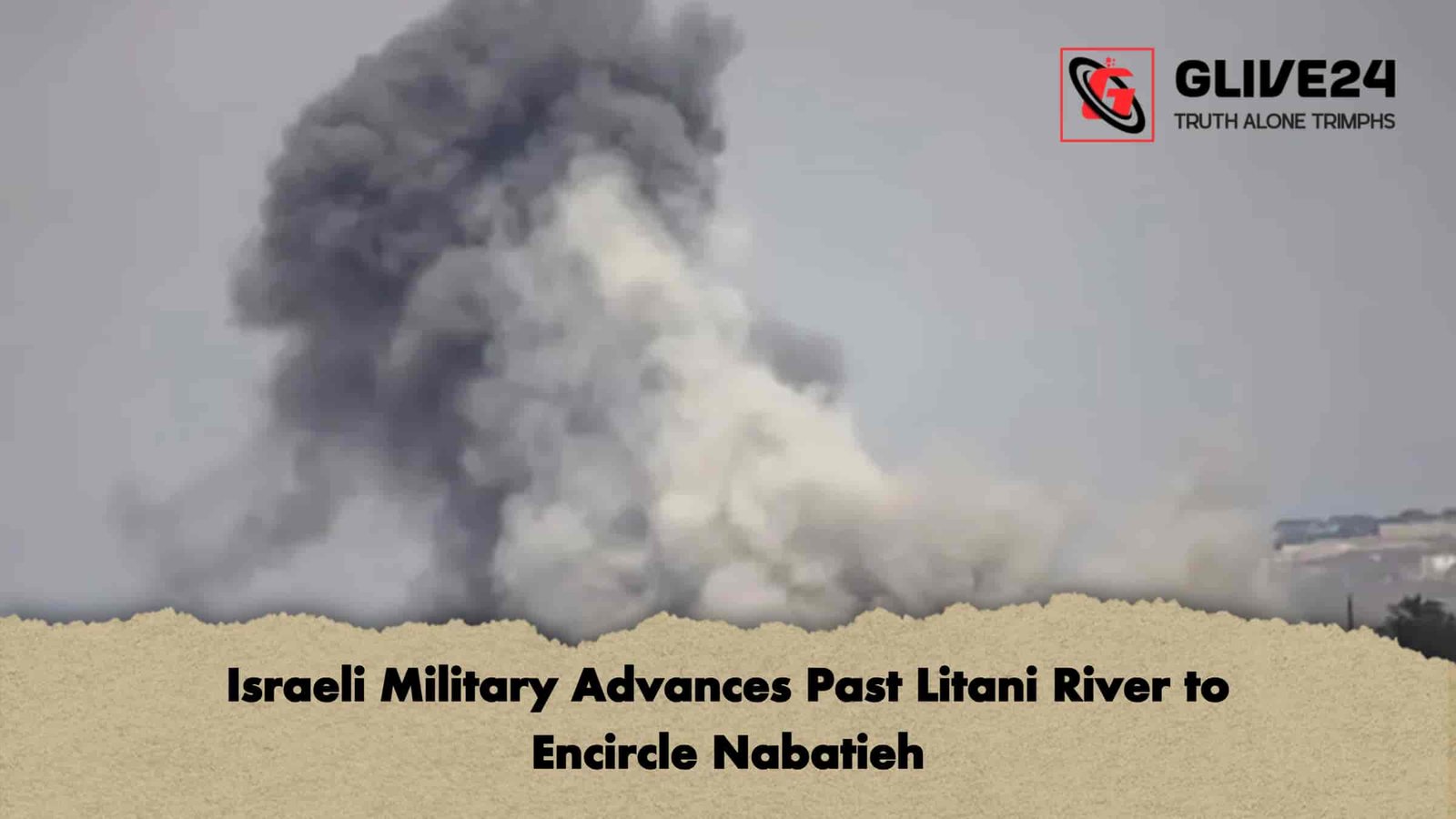
The Israeli military has advanced across the Litani River in southern Lebanon and reached the outskirts of the strategically important city of Nabatieh. This movement indicates preparations to encircle the municipality. The operation marks the first time Israeli ground forces have crossed north of the Litani River since the conclusion of the 2006 conflict.
Senior Lebanese military officials confirmed to Turkey’s state-run Anadolu Agency that Israeli units crossed the river, which Israel had previously established as the northern boundary of its unofficial security buffer zone. Israeli forces are currently positioned on the periphery of Nabatieh, a major Shia-majority city that serves as a central hub for the economy and culture of southern Lebanon. Because of its historical role on the frontline of previous conflicts, Nabatieh is viewed by many in Lebanon as a symbol of resistance.
According to reports from Al Jazeera correspondent Obaida Hitto, Israel is expanding its aerial operations in tandem with ground movements to encircle the city ahead of a potential ground assault. The offensive appears intended to breach Hezbollah’s secondary and tertiary defensive lines, with the broader tactical goal of isolating the western Bekaa Valley from the southern region of the country.
The military escalation has resulted in targeted strikes and casualties across various sectors of southern Lebanon:
| Incident Location | Type of Attack | Reported Impacts and Casualties |
| Nabatieh Perimeter | Israeli drone strike on a vehicle | Two Lebanese Army personnel critically injured |
| Jebchit Village | Israeli drone strike | One paramedic killed; four other individuals wounded |
| Beaufort Castle Area | Aerial bombardment and artillery shelling | Damage to Lebanese Relief Hospital; staff reported safe |
According to Lebanon’s National News Agency (NNA), the strike in Jebchit caused physical damage to the structure of the nearby Lebanese Relief Hospital, though doctors, nurses, and ambulance crews escaped unharmed.
The NNA further reported that Israeli aircraft and artillery units heavily targeted the area surrounding Beaufort Castle. Situated roughly 15 kilometres (9 miles) from the Israeli border, this 12th-century historical fortress occupies a high-altitude position that provides a significant vantage point for monitoring large portions of southern Lebanon. The fortress was previously occupied by Israeli forces for 18 years until their military withdrawal from Lebanon in May 2000.
In response to these operations, the Lebanese armed group Hezbollah stated that it launched retaliatory rocket barrages directed at the town of Kiryat Shmona in northern Israel. Additionally, the group claimed to have executed an ambush against Israeli infantry units near the village of Ghandouriyah in southern Lebanon, asserting that the engagement forced the advancing Israeli soldiers to retreat from their positions.


Comments