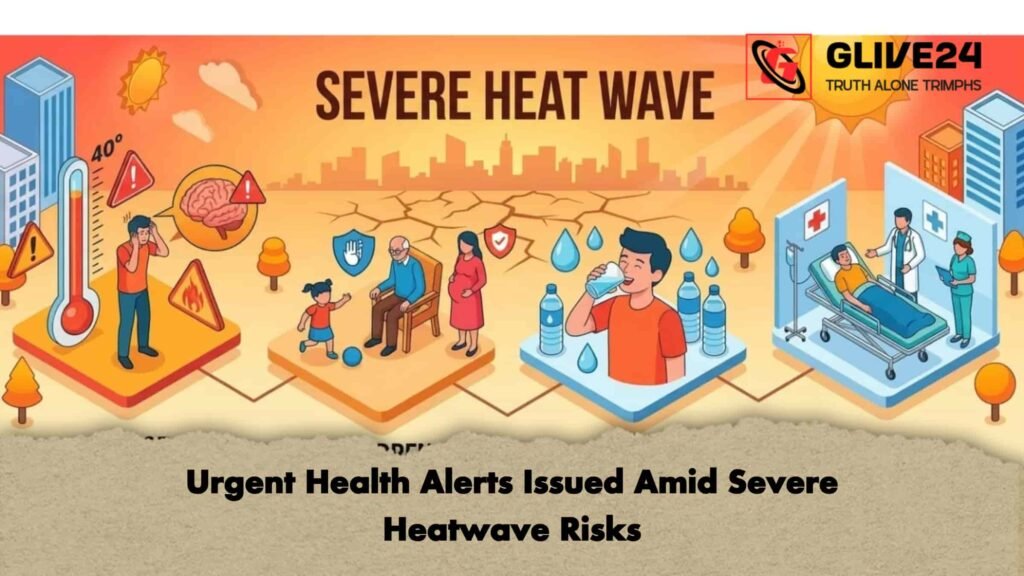
An intense heatwave accompanied by exceptionally high levels of atmospheric humidity is generating stifling conditions across Bangladesh. This combination poses extensive public health challenges, notably elevating the incidence of dehydration, vertigo, convulsions, and potentially fatal heatstrokes. Furthermore, the consumption of contaminated water by citizens seeking relief from the high temperatures has resulted in a marked surge in waterborne diseases.
Medical experts have cautioned that ambient temperatures exceeding $40^\circ\text{C}$ can trigger life-threatening heatstrokes. Vulnerable segments of the population—including children, the elderly, expectant mothers, outdoor labourers, and individuals suffering from chronic illnesses—face the highest level of risk.
Understanding the Thresholds of Heat Strain
According to the International Centre for Diarrhoeal Disease Research, Bangladesh (icddr,b), a heatwave demands urgent clinical attention when ambient temperatures exceed $38^\circ\text{C}$ for more than two consecutive days. Prolonged exposure beyond this threshold without adequate mitigation can cause severe physiological distress.
The vulnerability of the population varies significantly based on occupation and underlying health profiles, as outlined in the analysis below:
| Risk Category | Demographic Group | Key Health Vulnerabilities |
| High-Exposure Labour | Rickshaw pullers, van drivers, farmers, and construction workers. | Prolonged direct solar radiation, physical exhaustion, and rapid fluid loss. |
| Physiologically Vulnerable | Infants, young children, the elderly, and pregnant women. | Inefficient internal thermoregulation and increased susceptibility to systemic shock. |
| Chronic Illness Patients | Individuals with cardiovascular disease, hypertension, diabetes, or pulmonary conditions. | Exacerbation of pre-existing systemic weaknesses under thermal stress. |
| Confined Environments | Kitchen workers, domestic staff, and individuals in unventilated indoor spaces. | Prolonged exposure to ambient heat trapped within enclosed areas. |
Critical Clinical Symptoms and Indicators
Medical practitioners advise that certain symptoms must not be ignored, as they indicate the onset of severe heat-related illnesses or impending heatstroke. Immediate medical intervention is required if an individual exhibits any of the following clinical signs:
-
Dermatological changes: Skin becoming excessively hot, dry, and flushed.
-
Neurological distress: Severe headaches, acute dizziness, mental confusion, uncharacteristic behavior, or sudden loss of consciousness.
-
Gastrointestinal issues: Persistent nausea or vomiting.
-
Renal indicators: A notable reduction in urine output, or urine that appears dark or altered in colour.
-
Anidrosis: A cessation of sweating despite intense heat, which represents a critical physiological emergency.
-
Sensory and cardiovascular strain: Blurred or darkened vision alongside an exceptionally rapid heart rate (tachycardia).
Institutional Guidelines for Heat Mitigation
To mitigate these health hazards, icddr,b has issued a comprehensive framework of recommended and prohibited practices:
Prescribed Measures (Do’s)
-
Avoid direct exposure to intense sunlight; utilise umbrellas or head coverings when outdoors.
-
Take regular rest intervals in shaded or cooled environments during periods of exertion.
-
Wear loose-fitting, light-coloured cotton garments to facilitate air circulation around the body.
-
Maintain a high intake of safe, purified water throughout the day, irrespective of perceived thirst.
-
Bathe regularly and apply cool water to the face and eyes to lower core body temperature.
-
Consume easily digestible, fresh, and nutritionally balanced light meals.
Prohibited Actions (Don’ts)
-
Abstain from eating stale, spoiled, or excessively oily and heavily spiced foods.
-
Refrain from continuous, strenuous physical labour directly under open sunlight.
-
Avoid consuming unpasteurised beverages, street-vended juices, or artificially coloured cold drinks from unsafe sources.
Expert Medical Commentary on Systemic Risks
Emeritus Professor Dr ABM Abdullah, a renowned clinician, has highlighted the profound physiological impact of this weather pattern:
“The intense summer heat combined with abnormal humidity has severely disrupted public life. Profuse sweating depletes the body of both water and essential electrolytes. This can lead to a drop in blood pressure, profound weakness, vertigo, and acute dehydration. If neglected, severe dehydration can cause syncope [fainting] and acute renal failure.”
Professor Dr Abdullah further explained that when ambient temperatures rise above $40^\circ\text{C}$, the risk of heatstroke escalates dramatically. This condition is characterized by a core body temperature exceeding $105^\circ\text{F}$ ($40.5^\circ\text{C}$), anidrosis, dry and erythematous [reddened] skin, delirium, and seizures.
Additionally, direct exposure to ultraviolet radiation can induce severe sunburn, skin blistering, and secondary bacterial or fungal infections fueled by accumulated sweat and dirt. Dr Abdullah also warned that the reliance on unsafe roadside drinks to quench thirst has led to a rise in waterborne outbreaks, including diarrhoea, vomiting, typhoid, and hepatitis.
Emergency First Aid Procedures
To preserve health during this period, unnecessary outdoor movement should be curtailed. When outdoor travel is unavoidable, protective gear like hats and umbrellas should be paired with lightweight cotton clothing. Hydration protocols must incorporate safe drinking water alongside oral rehydration salts (ORS), green coconut water, and fresh fruit juices to restore electrolyte balances.
If an individual succumbs to heat exhaustion or heatstroke, they must be moved immediately to a shaded, cool environment with active air circulation. The body should be sponged down with wet cloths, and cool water should be applied to the face and eyes. If the individual’s condition shows no rapid improvement, they must be transferred to the nearest healthcare facility without delay.