Khabor Wala Desk
Published: 30th May 2026, 5:37 PM
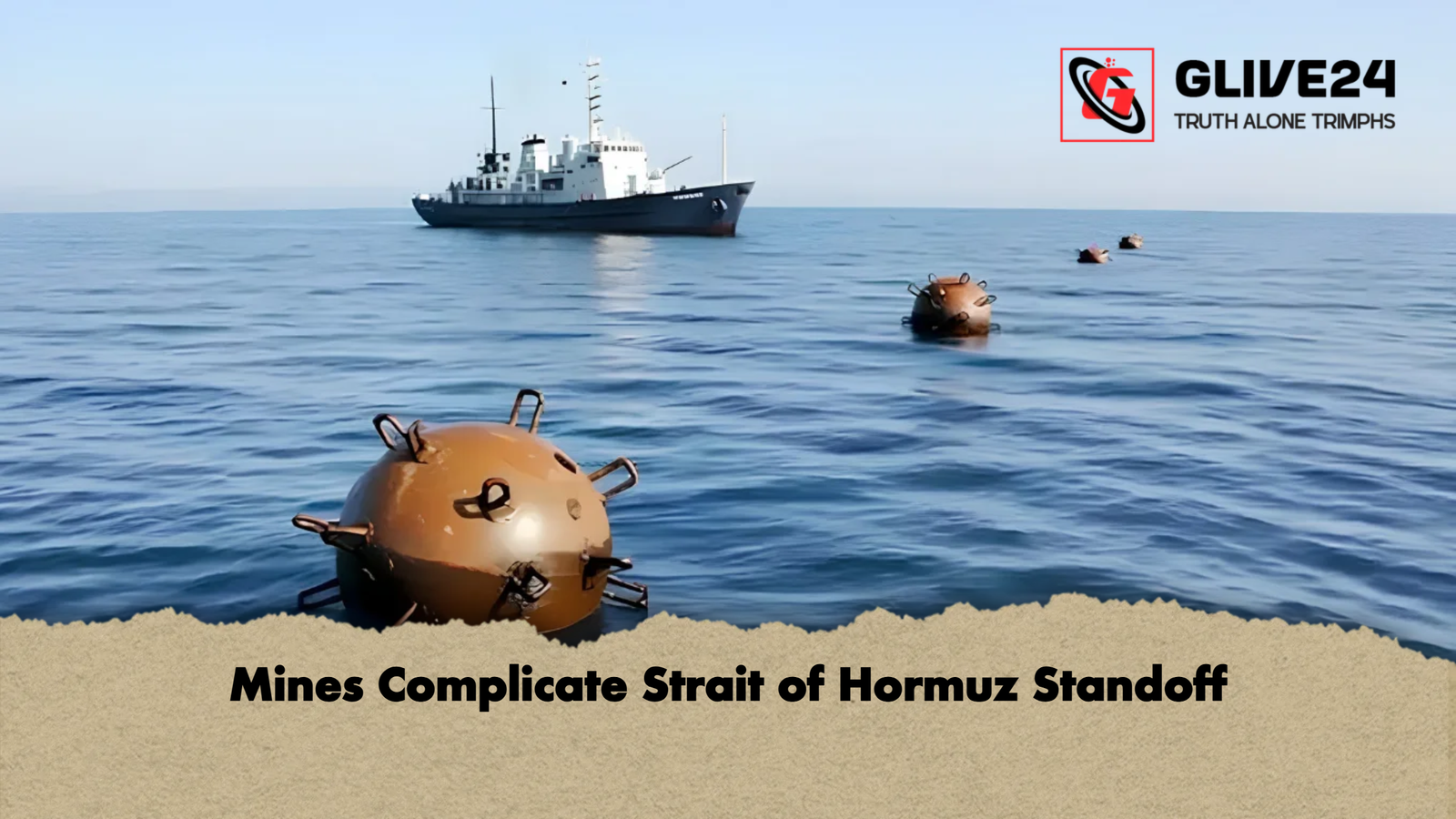
The Strait of Hormuz has emerged as a central factor in the ongoing confrontation involving Iran, with maritime mines playing a significant role in shaping developments in the strategically important waterway. Despite repeated declarations by the United States that it would overcome Iranian efforts to restrict access through the strait, operations aimed at countering the threat have faced persistent difficulties.
According to the report, Iran has relied heavily on maritime mines to strengthen its position in the Strait of Hormuz. The presence of these mines has complicated efforts by the United States to ensure unrestricted navigation through the area. Detecting and neutralising underwater explosive devices has proven to be a demanding task, even for the world’s most advanced naval forces.
US-led mine-clearing operations have reportedly encountered repeated obstacles whenever attempts were made to locate and remove the devices. As a result, maritime mines have become a critical element in the wider confrontation, with their impact extending beyond conventional naval engagements.
Maritime mines are explosive devices placed underwater or beneath the sea surface to damage or destroy ships and naval vessels. They are designed to remain concealed until activated by a vessel’s presence or contact.
The report identifies three principal categories of maritime mines:
| Mine Type | Description |
|---|---|
| Moored Mine | Anchored beneath the water’s surface and detonates when a vessel comes into contact with it. |
| Bottom Mine | Placed directly on the seabed. |
| Influence Mine | Activated by detecting a vessel’s magnetic field, acoustic signature, or pressure changes in the water. |
These weapons are considered particularly dangerous because they can remain hidden for extended periods and pose risks to both military and commercial shipping.
Concerns within the United States regarding the mine threat in the Strait of Hormuz were reflected in remarks made by US President Donald Trump. He identified the issue of maritime mines as one of the conditions linked to the possible removal of US naval restrictions imposed on Iran.
Addressing Iran, Trump stated that advanced American minesweeping capabilities had already destroyed numerous mines in the strait. He said that all remaining maritime mines would need to be rapidly deactivated or removed by Iran.
The US President further announced that if this condition were met, naval restrictions imposed on Iranian ports would be lifted. He also indicated that shipping routes through both directions of the Strait of Hormuz would be reopened for maritime traffic.
In a post published on his social media platform, Truth Social, on Friday, Trump outlined several conditions for a potential agreement between the United States and Iran. The removal of maritime mines was listed among the key requirements.
Meanwhile, the United States Naval Forces Central Command issued an urgent maritime warning on Friday. The advisory alerted ship owners, vessel operators and mariners to hazardous military activity taking place in the Strait of Hormuz, north of Oman’s Musandam Peninsula.
Later on Friday night, a separate emergency notice from the Joint Maritime Information Centre described the regional threat level as “extremely critical”. The warning stated that Iran was attempting to gain control of the strategic waterway through the dangerous and unlawful deployment of mines, creating significant risks for commercial vessels and seafarers.
Mariners were instructed to avoid the Traffic Separation Scheme in the Strait of Hormuz. Vessels were also advised to maintain continuous radio communication with maritime authorities and to comply immediately with directions issued by US forces operating in the area.
The latest warnings underscore the continuing importance of maritime security in one of the world’s most strategically significant shipping corridors, where mine-related threats remain a major operational concern for naval and commercial traffic alike.
No related posts available.
Comments