Khabor Wala Desk
Published: 12th June 2026, 3:15 PM
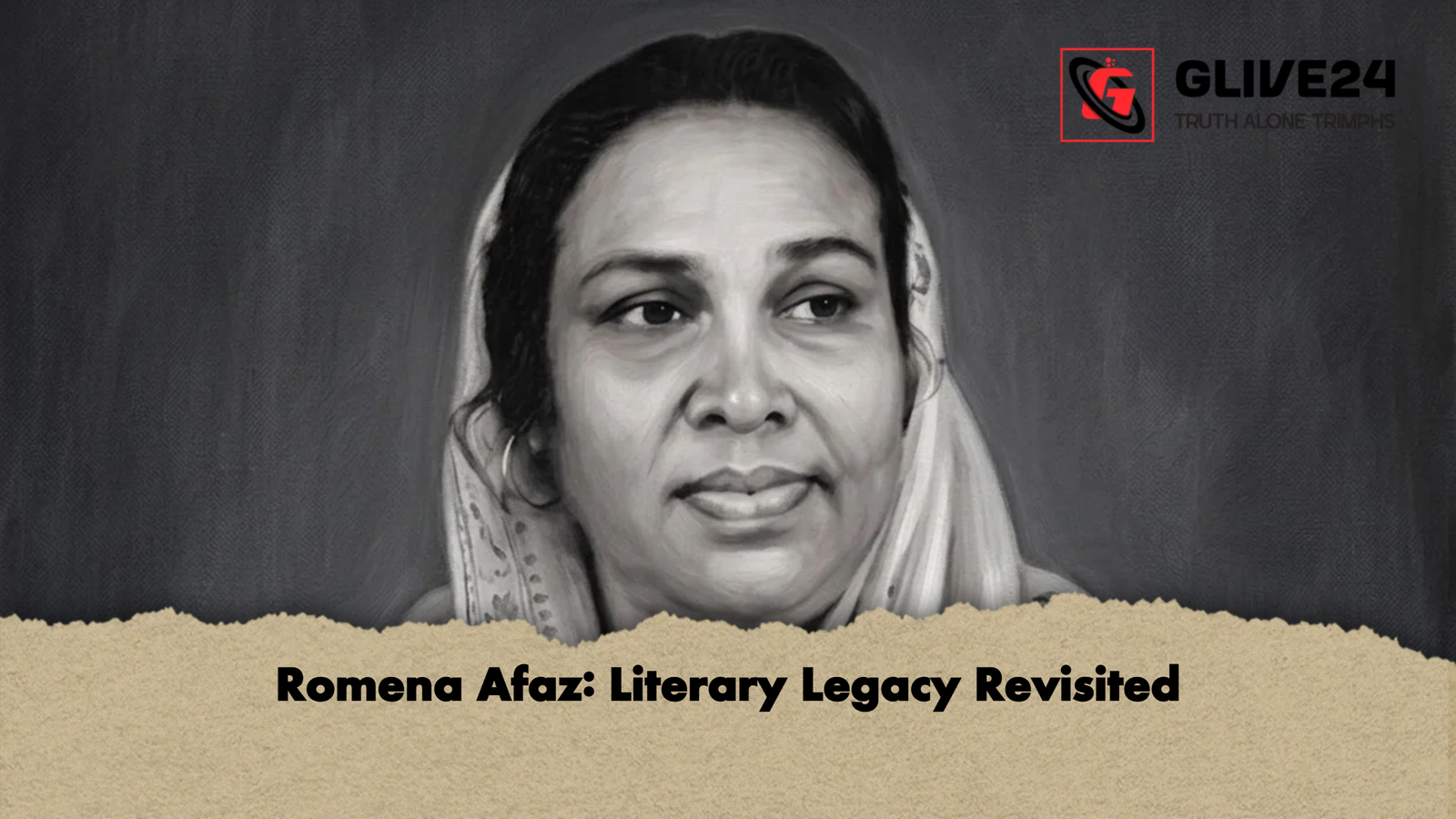
Romena Afaz remains one of the most influential figures in Bengali popular literature, celebrated for her remarkable storytelling, imaginative breadth, and enduring contribution to fiction for readers across generations. Widely regarded as a pioneering novelist, she carved a distinctive place in the literary landscape, particularly through her mastery of adventure, mystery, romance, and social narratives. Her most iconic creation, the character Dasyu Bonhur, continues to occupy a legendary status in Bengali popular fiction.
Born on 27 December 1926 in Sherpur town of Bogura district, Romena Afaz grew up in a culturally enriched environment. Her father, Kazem Uddin Ahmad, and mother, Begum Asia Khatun, played a formative role in her upbringing. From an early age, she demonstrated a strong inclination towards writing, beginning her literary journey at just nine years old. Her first published work, a verse titled Banglar Chashi, appeared in the renowned Kolkata-based magazine Mohammadi, marking the beginning of an extraordinary literary career.
Following her marriage to Dr Mohammad Afaz Ullah Sarkar of Phulkot village in Shahjahanpur upazila, she adopted her husband’s surname and became widely known in literary circles as Romena Afaz. Her debut novel, Rokte Anka Map (A Map Drawn in Blood), set the tone for a prolific writing career that would span decades.
Over her lifetime, she authored more than 250 books, an exceptional achievement in Bengali literature. Her works spanned multiple genres, including social novels, historical fiction, romance, detective stories, and youth-oriented adventure narratives. However, it was the creation of Dasyu Bonhur that brought her unparalleled popularity. The character, portrayed as a mysterious yet principled vigilante fighting injustice and oppression, resonated deeply with readers, especially younger audiences. Bonhur’s moral complexity and adventurous exploits made the series a defining element of Bengali pulp fiction.
Her literary influence extended beyond books into cinema. Several of her novels were adapted into successful films, further expanding her readership and cultural impact. These adaptations helped bridge literature and popular entertainment, making her stories accessible to a wider audience.
| Category | Details |
|---|---|
| Full Name | Romena Afaz |
| Birth | 27 December 1926, Sherpur, Bogura, Bangladesh |
| Death | 12 June 2003 |
| First Published Work | Banglar Chashi (poem) |
| First Novel | Rokte Anka Map |
| Total Publications | Over 250 books |
| Iconic Character | Dasyu Bonhur |
| Film Adaptations | Kagojer Nouka, Momer Alo, Mayar Songsar, Madhumita, Matiar Manush, Dasyu Bonhur |
| Major Recognition | Posthumous Independence Award (2010) |
Beyond her literary accomplishments, Romena Afaz was also engaged in social development initiatives, particularly advocating for women’s education and welfare. Her writings often reflected a deep sense of empathy towards human struggles and social inequalities, reinforcing her commitment to societal progress.
To preserve her legacy, the Romena Afaz Memorial Council was established, and her residence in Jaleshwaritola, Bogura, has been preserved as a memorial museum. These initiatives ensure that future generations can engage with her life and works in a tangible way.
Romena Afaz passed away on 12 June 2003, but her literary universe continues to thrive. Her characters, narratives, and imaginative worlds remain deeply embedded in the cultural memory of Bengali readers. On her death anniversary, she is remembered not only as a prolific novelist but also as a creator of enduring literary mythology.
Her legacy endures in the words she wrote and the worlds she created—particularly through Dasyu Bonhur, whose presence still echoes through the pages of Bengali popular fiction.



Comments