Khabor Wala Desk
Published: 1st June 2026, 5:00 PM
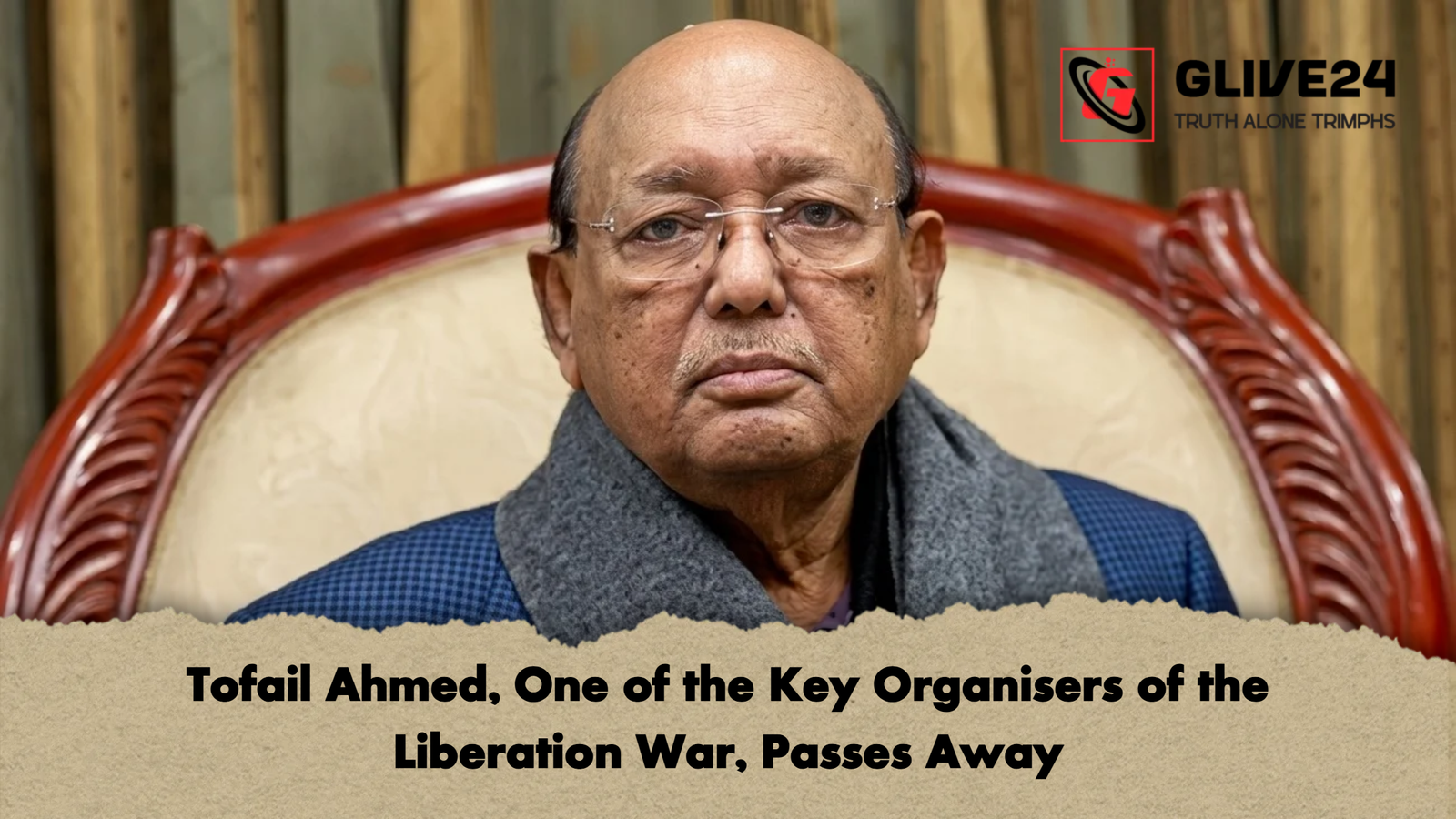
Tofail Ahmed, a veteran politician, a central organiser of the 1971 Bangladesh Liberation War, and a courageous leader of the 1969 mass uprising, has passed away. He breathed his last on Monday, 1 June, at approximately 3:30 pm while undergoing medical treatment at Square Hospital in the capital city of Dhaka. He was 82 years old at the time of his demise.
Family sources, including his close associates, confirmed the details of his passing. Hospital authorities reported that he had been suffering from chronic, age-related medical conditions for a considerable period. Following a stroke some years ago, a portion of his body had become paralysed, necessitating the use of a wheelchair for mobility. His physical condition deteriorated significantly in September of last year, prompting his admission to the hospital, where he was subsequently placed on life support until his death.
Born on 22 October 1943 in Koralia village, located within the Dakshin Dighaldi union of Bhola Sadar upazila, Tofail Ahmed engaged in active politics during his student years. While pursuing his education at the University of Dhaka, he rose to nationwide prominence as a student leader and served as the Vice-President (VP) of the Dhaka University Central Students’ Union (DUCSU) between 1967 and 1969.
Ahmed was one of the central figures of the historic 1969 mass uprising in East Pakistan. As the head of the All-Party Students’ Action Committee, he successfully unified the student community and led the popular movement that significantly altered the political trajectory of the nation. Notably, during a historic mass rally held on 23 February 1969 at the Racecourse Maidan (now Suhrawardy Udyan), it was Ahmed who officially bestowed the honorific title “Bangabandhu” (Friend of Bengal) upon Sheikh Mujibur Rahman.
During the 1971 Bangladesh Liberation War, Ahmed served as a key organiser, playing an instrumental role as one of the top commanders of the Mujib Bahini (formalised as the Bangladesh Liberation Force) to train and guide freedom fighters. Following the independence of Bangladesh, he continued to be a foundational figure within the national political landscape. Over his extensive career, he was elected to the national parliament (Jatiya Sangsad) multiple times, representing constituencies in Bhola. He also held several crucial ministerial portfolios within the Government of Bangladesh, notably serving as the Minister of Industries and the Minister of Commerce.
The following table outlines the foundational milestones, academic background, and public offices held by Tofail Ahmed throughout his lifetime:
| Dimension | Historical and Biographical Details |
| Full Name & Birth | Tofail Ahmed; Born on 22 October 1943 in Koralia, Bhola, Bengal Presidency. |
| Educational Background | University of Dhaka; Served as DUCSU Vice-President (VP) from 1967 to 1969. |
| 1969 Mass Uprising | Served as a core organiser; officially conferred the title “Bangabandhu” upon Sheikh Mujibur Rahman on 23 February 1969. |
| 1971 Liberation War | Served as a principal organiser and one of the core commanders of the Mujib Bahini. |
| Parliamentary Career | Elected to the legislature multiple times representing constituencies in the Bhola district. |
| Cabinet Portfolios | Served as the Minister of Industries and the Minister of Commerce across different tenures. |
| Demise Details | Passed away on Monday, 1 June, at approximately 3:30 pm at Square Hospital, Dhaka, aged 82. |
The passing of Tofail Ahmed marks the conclusion of a significant chapter in the political history of Bangladesh. His lifelong political insight, structural organising capabilities, and commitment to the foundational ideals of the Liberation War remain permanently etched into the historical record of the nation. He is survived by his daughter, family members, and a vast circle of colleagues and well-wishers.


Comments